It was the third day of July, and the heat in my kitchen was honestly ridiculous. I had just finished prepping the main course for a backyard gathering—something involving a grill, smoke, and about forty minutes of standing over it—and I was done. My fingers were still smelling like charcoal and rosemary, and the idea of turning on the oven or even standing at the stove for another ten minutes was unthinkable. I needed something cold, something bright, something that didn’t require a thermometer.
I opened the fridge and saw a can of chickpeas, a cucumber that was slowly turning into jelly in the crisper drawer, and a jar of olives I’d bought on a whim. That was it. Just scraps. But I threw them together with some feta, a handful of fresh dill, and a dressing that was mostly olive oil and lemon juice, and suddenly, the whole table changed. The rich, smoky grilled meats needed a crisp, acidic counterpoint. That salad cut through the heaviness of the barbecue like a cool breeze.
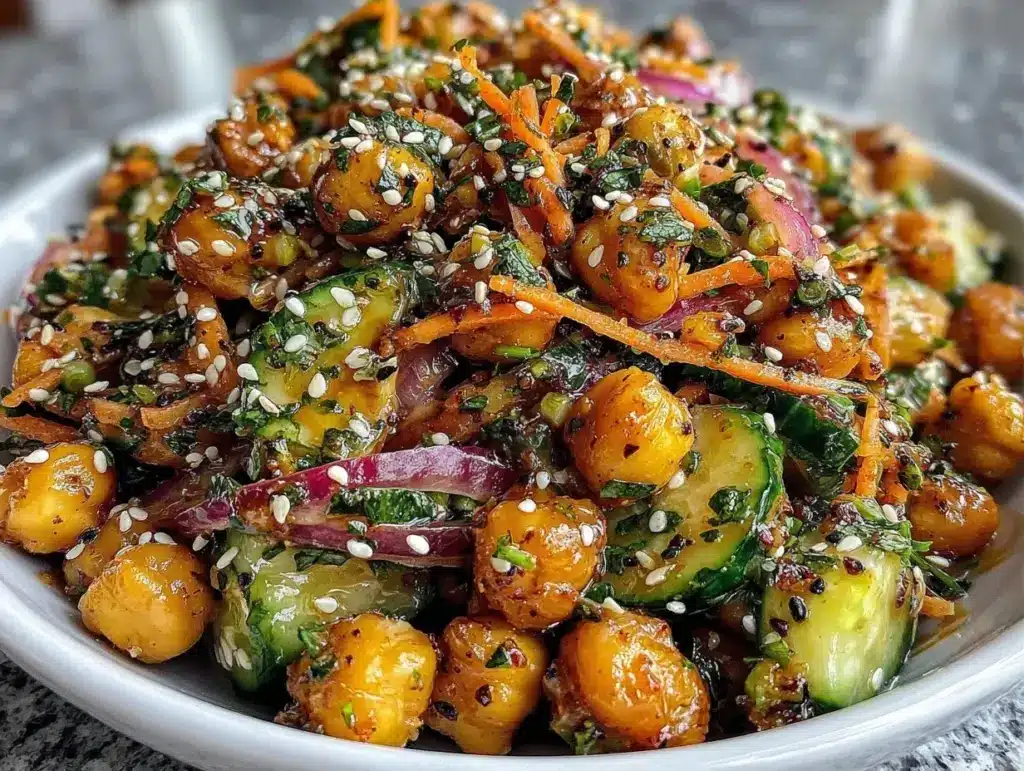
That night, I realized I’d accidentally invented my new favorite summer side dish. It’s not just “okay” because it’s no-cook. It’s genuinely delicious. The Mediterranean chickpea salad with cucumber has become the anchor of every summer cookout since. It’s vibrant, it’s healthy-ish, and it actually tastes better after sitting in the fridge for an hour, letting those flavors marry. If you’re looking for a grilled chicken salad with charred corn to go alongside it, you’ll have the perfect summer spread.
I’ve made this at least a dozen times now, tweaking the herbs and the cheese depending on what’s in season, but the core recipe stays the same. It’s foolproof, it’s cheap, and it makes you look like a host who actually knows what they’re doing, even if you threw it together in five minutes while the guests were arriving. Let me walk you through exactly how to make it, why it works, and how to tweak it so it fits your taste buds.
Why You’ll Love This Mediterranean Chickpea Salad
There are about a dozen reasons I keep making this salad, but let’s be real: it’s not just about the taste. It’s about the whole experience of hosting. Here’s why this recipe has earned a permanent spot in my summer rotation.
Zero Cooking Required
Let’s start with the biggest win. You don’t need to boil water. You don’t need to chop raw vegetables and worry about them being crunchy or soggy. You just rinse, chop, and toss. I made this while helping my nephew with his math homework last week. It’s that simple. If you can open a can and squeeze a lemon, you can make this.
It Actually Improves with Time
Most salads wilt. This one gets better. The chickpeas act like little sponges, soaking up the tangy lemon-oregano dressing. I usually make it the morning of the party, and by the time everyone arrives, the flavors have melded into something cohesive and complex. It’s not just chopped veggies anymore; it’s a unified dish.
It Cuts Through Richness
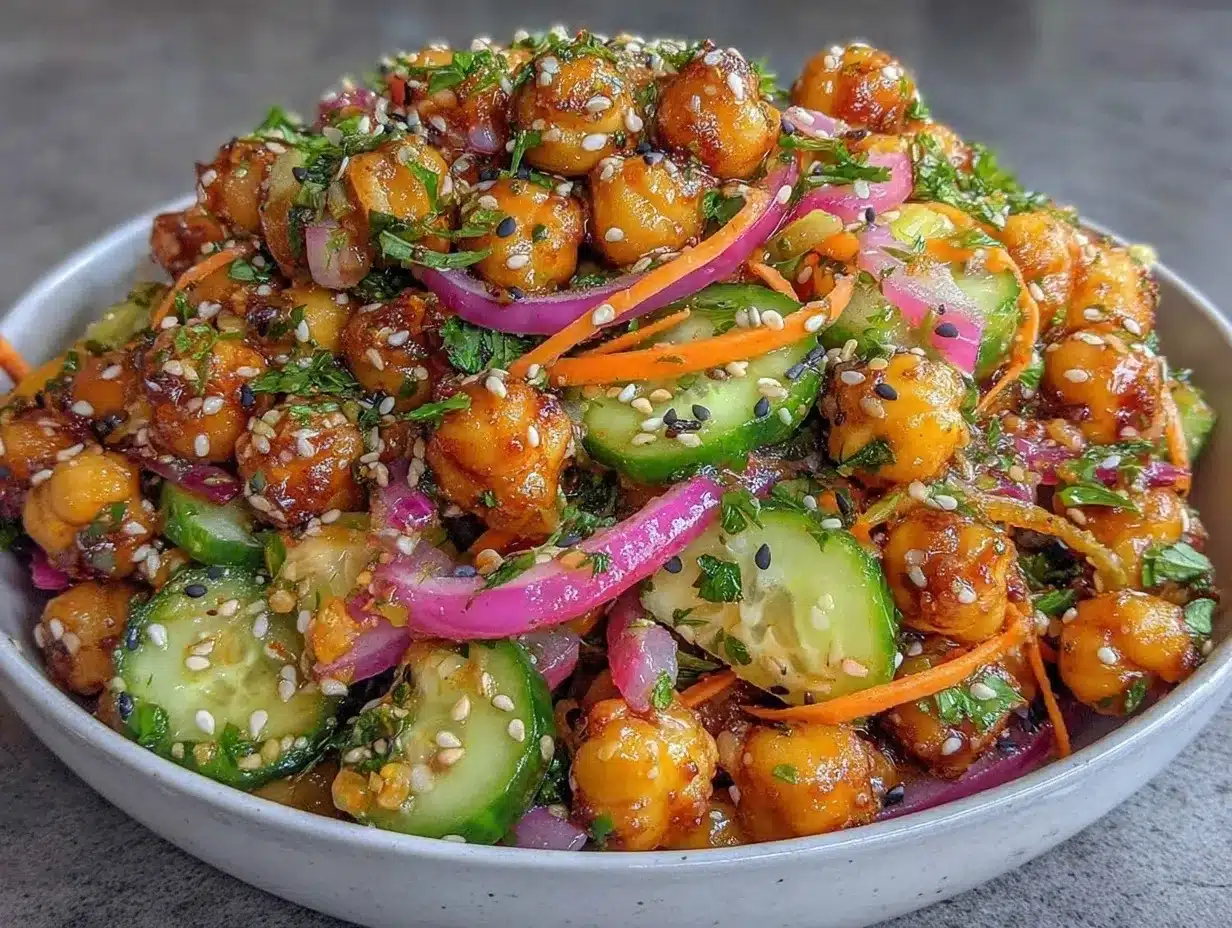
Summer food is usually heavy. Think burgers, ribs, grilled cheese, potato salad. You need something to cleanse the palate. The acidity from the lemon and the brine from the olives and feta does exactly that. It’s refreshing without being watery like a lettuce-only salad. It has substance.
It’s Picky-Eater Approved
I served this to my vegetarian sister and my meat-loving brother-in-law. He didn’t even realize it was a “side salad” until he asked for the recipe. Chickpeas are mild. The cucumber adds crunch without the bitterness of raw onion (though I do add a tiny bit of red onion for flavor). It’s approachable for everyone.
It’s Budget-Friendly
Feeding a crowd doesn’t have to break the bank. Chickpeas, cucumbers, and feta are cheap. You probably already have the olive oil and spices in your pantry. This feeds 6-8 people as a side for less than $10. That’s a win in my book.
So basically, this is my go-to when I want to impress without stressing. It’s vibrant, it’s easy, and it keeps the meal balanced. No complicated techniques, just reliable, delicious food that makes everyone happy.
Ingredients You’ll Need
Here’s the best part: you probably have most of this already. This isn’t a recipe that requires a special trip to a specialty store. It’s pantry-friendly, with a few fresh additions that make all the difference.
For the Base
Chickpeas (2 cans, 15 oz each / 425g) — Drain and rinse them thoroughly. I know it seems like extra work, but it removes that metallic can taste and excess sodium. Garbanzo beans are the same thing; use whatever you find. I prefer the standard canned ones over fresh because they hold their shape better in the dressing.
Cucumber (1 large English cucumber / about 300g) — English cucumbers are best because they’re less watery and have thinner skins. If you only have standard cucumbers, peel the skin and scoop out the seeds to prevent a watery salad. Chop them into half-moons or small cubes. You want them crisp.
Red Onion (1 small / about 50g) — Finely diced. Red onion is milder and sweeter than yellow onion, and it looks beautiful against the green cucumber and white feta. If you’re sensitive to raw onion, soak the diced onion in ice water for 10 minutes before adding it to the salad. It takes the bite out.
For the Flavor
Feta Cheese (1 cup / 150g, crumbled) — Buy a block and crumble it yourself. Pre-crumbled feta has anti-caking agents that keep it dry and dusty. Freshly crumbled feta is creamy and salty in the best way. I use Greek feta, but any good brined feta works.
Kalamata Olives (½ cup / 75g, pitted and halved) — These add that essential Mediterranean brine. If you can’t find Kalamata, regular black olives work, but Kalamata has a deeper, fruity flavor. Pitted is a must—I don’t have time to spit seeds at a party.
Fresh Dill (2 tablespoons, chopped) — Dill is non-negotiable for me. It’s the herb that makes this taste “Mediterranean” rather than just “chickpea salad.” Parsley works too, but dill has that bright, anise-like freshness that pairs perfectly with lemon. Use fresh only. Dried dill just tastes like dust.
Fresh Mint (1 tablespoon, chopped) — Optional, but I highly recommend it. Mint adds a coolness that balances the richness of the olive oil and feta. It’s subtle, but your guests will notice it.
For the Dressing
Extra Virgin Olive Oil (¼ cup / 60ml) — Use good quality here. Since there’s no cooking, the oil is the main fat source. If it tastes bitter or grassy, your salad will too. I keep a nice bottle of California or Spanish olive oil for salads like this.
Fresh Lemon Juice (3 tablespoons / 45ml) — About 1-2 lemons. Bottled lemon juice has no business in this recipe. It tastes like chemicals. Squeeze your own. If the lemons are small, go with 4 tablespoons.
Garlic (1 clove, minced / about 1 teaspoon) — Fresh garlic only. It gets mellowed out by the oil and lemon. If you’re worried about strong garlic breath, use half a clove or grate it so it disperses evenly.
Dried Oregano (1 teaspoon) — This is the secret weapon. Fresh oregano is great, but dried oregano has a more intense, earthy flavor that stands up to the dressing. Rehydrate it in the lemon juice for a minute before whisking.
Dijon Mustard (1 teaspoon) — This isn’t for flavor; it’s for emulsion. It helps the oil and lemon juice blend into a cohesive dressing instead of separating immediately. It adds a tiny tang, but you won’t taste the mustard itself.
Salt and Black Pepper — To taste. The feta and olives are salty, so go easy on the salt initially. Taste before you add more.
Optional Add-ins
Cherry Tomatoes (1 cup, halved) — Adds sweetness and color. I throw these in when tomatoes are in season. If they’re out of season, skip them—they’ll just make the salad watery.
Roasted Red Peppers (½ cup, chopped) — From a jar. Adds smokiness and sweetness. Great if you’re serving this with grilled meats.
Capers (2 tablespoons) — For extra brine and pop. I love these, but some people find them too intense. Start with 1 tablespoon if you’re unsure.
Equipment Needed
You don’t need fancy equipment for this. Here’s what I actually use.
Large Mixing Bowl — I use a 4-quart stainless steel bowl. It needs to be big enough to toss everything without spilling. A glass bowl works too, but I prefer steel for easy cleanup.
Colander — For draining the chickpeas. Or just pour them into a sieve over the sink. Any strainer works.
Sharp Knife — For chopping the cucumber, onion, and herbs. A dull knife makes squishing cucumbers harder than it needs to be.
Small Whisk — For the dressing. Or just a fork. I use a small whisk because it emulsifies the oil and lemon juice faster.
Measuring Spoons — Pretty standard. The dressing is forgiving, so you can eyeball it if you want, but measurements help you get the balance right the first time.
Optional but nice: Microplane — If you want to zest the lemon into the dressing. Lemon zest adds an aromatic punch that juice alone doesn’t have. I love it, but it’s not required.
How to Make It: Step-by-Step
Alright, let’s make this! I’m walking you through exactly how I do it, including the little tricks I’ve picked up.
Step 1: Prep the Chickpeas (2 minutes)
Open the cans and dump the chickpeas into a colander. Rinse them under cold water until the water runs clear. Shake off the excess water. You want them damp, not soaking wet. If they’re too wet, they’ll dilute the dressing. Set them aside in a large mixing bowl.
Step 2: Chop the Vegetables (5 minutes)
While the chickpeas drain, prep the rest. Dice the red onion into small, even pieces. Slice the cucumber into half-moons or small cubes. If you’re using cherry tomatoes, halve them. Chop the fresh dill and mint. Having everything prepped before you mix makes the assembly feel effortless.
Step 3: Make the Dressing (2 minutes)
In a small bowl or jar, combine the olive oil, fresh lemon juice, minced garlic, dried oregano, Dijon mustard, salt, and pepper. Whisk vigorously until the mixture looks creamy and emulsified. The oil and lemon should blend into a single, opaque liquid. Taste it. It should be bright and tangy. If it’s too sour, add a pinch more oil. If it’s too oily, add a splash more lemon.
Step 4: Combine Everything (3 minutes)
Pour the dressing over the chickpeas and vegetables. Add the crumbled feta and halved olives. Toss everything together gently but thoroughly. You want every chickpea and cucumber piece coated in the dressing. The feta will start to break down slightly, which helps thicken the dressing and cling to the ingredients.
Step 5: Rest and Chill (15-30 minutes)
This is the most important step. Cover the bowl and let it sit in the fridge for at least 15 minutes, ideally 30. This allows the chickpeas to absorb the flavors and the salad to chill down. I know you want to eat it now, but patience pays off. The flavors will meld and become more complex.
Step 6: Serve
Taste again before serving. Adjust salt or lemon if needed. Serve cold or at room temperature. It’s perfect alongside grilled meats or on its own with crusty bread.
Total Time: About 15 minutes active, plus resting time.
Expert Tips & Tricks
Here’s everything I’ve learned from making this dozens of times. These tips will save you from my mistakes.
Don’t Skip the Rinse
I’ve made this with un-rinsed chickpeas before, and the taste was off. That canned liquid has a metallic, starchy flavor that clashes with the fresh dressing. Rinse them well. It takes 30 seconds and makes a huge difference.
Cut the Cucumber Uniformly
If you cut some pieces huge and others tiny, you get inconsistent bites. Some bites will be all cucumber, others all onion. Aim for uniform cubes or half-moons so every spoonful has a bit of everything.
Use Good Olive Oil
This is a raw salad. The olive oil is the star. If you’re using cheap, processed oil, the salad will taste flat or bitter. Invest in a decent extra virgin olive oil. It doesn’t have to be expensive, but it should taste like fresh olives.
Add Salt in Layers
Don’t just salt the dressing. Salt the chickpeas lightly before adding the dressing. This seasons the legumes themselves, not just the surface. Then adjust the final salad salt after tossing.
Keep the Feta Separate Until Serving (Optional)
If you’re making this more than a few hours ahead, consider adding the feta right before serving. Feta can release moisture and make the salad watery if it sits too long. If you’re serving within 2 hours, toss it in early. If it’s overnight, add it later.
Variations & Substitutions
Once you’ve nailed the basic version, here’s how you can mix it up. I’ve tried all of these.
Protein-Packed Version
Add grilled chicken, shrimp, or tuna. I love adding grilled shrimp skewers chopped into bite-sized pieces. It turns this side into a full meal. The lemon dressing pairs perfectly with seafood.
Veggie-Loaded
Add roasted red peppers, artichoke hearts, or spinach. Artichoke hearts add a nice tangy depth. Spinach wilts into the salad and makes it greener and more substantial.
Herb Swap
Not a dill fan? Use fresh parsley, cilantro, or basil. Parsley is classic and neutral. Basil makes it more Italian. Cilantro makes it more Middle Eastern. All work beautifully.
Gluten-Free
This recipe is naturally gluten-free. Just make sure your olives and feta are certified gluten-free if you have celiac disease, as cross-contamination can happen in processing plants.
Dairy-Free
Swap feta for a vegan feta alternative or omit it entirely. Add a tablespoon of tahini to the dressing for creaminess. It’s different but still tasty.
Spicy Kick
Add a pinch of red pepper flakes to the dressing or chop in a fresh jalapeño. It adds a heat that cuts through the richness of the cheese and oil.
Serving & Storage
How to Serve: I usually serve this straight from the bowl at the dinner table—it looks rustic and colorful. But here are other ways I’ve enjoyed it:
Side Dishes: It pairs perfectly with grilled meats, roasted vegetables, or crusty bread. I often serve it with grilled salmon for a light summer dinner. The acidity of the salad balances the richness of the fish.
Toppings Bar: When I have guests, I put out extra feta, olives, and fresh herbs. Everyone customizes their bowl.
Storage Instructions: Store in an airtight container in the fridge for up to 3 days. The salad will hold up well, though the cucumber may soften slightly after day two. It’s still delicious, just less crisp.
Reheating: Do not reheat this salad. It’s meant to be eaten cold or at room temperature. Heating it will wilt the vegetables and make the feta oily.
Meal Prep: This is a fantastic meal prep item. Make it on Sunday, and you have lunch sorted for the week. The flavors actually get better as it sits.
Nutrition Information
I’m not a nutritionist, but here’s the breakdown if you’re tracking.
Per Serving (based on 6 servings):
- Calories: 280
- Protein: 8g
- Carbs: 22g
- Fiber: 6g
- Sugar: 4g
- Fat: 18g
- Saturated Fat: 6g
- Cholesterol: 25mg
- Sodium: 450mg
- Calcium: 150mg
What’s Good: High in fiber and plant-based protein. Good source of healthy fats from olive oil. Low in sugar.
What to Know: Moderate sodium from the feta and olives. Use low-sodium broth or rinse chickpeas well to reduce sodium. Contains dairy and gluten-free (naturally).
My Take: Look, this is a healthy side dish, but it’s not “diet food.” It’s rich in healthy fats and satisfying. It’s way better than store-bought salad, costs less, and I know exactly what’s in it. When I want to make it lighter, I reduce the feta and olive oil. But usually? I just enjoy it for what it is—fresh, flavorful, and nourishing.
Final Thoughts
So that’s my Mediterranean chickpea salad with cucumber! I’ve probably talked your ear off at this point, but when you make a recipe this often, you have a lot to say about it.
This has saved summer gatherings more times than I can count. It’s my answer to “what’s for the side dish?” when I’m tired, don’t want to cook, and still want something that tastes really good. My guests are happy, my family is happy, and I’m happy because I’m not stressed about cooking.
Make it yours! Try different herbs, swap in your favorite vegetables, adjust the lemon. The best recipes are the ones you adapt to your family’s tastes.
If you make this, drop a comment and let me know what you think! I love hearing how recipes turn out in your kitchen. And if something doesn’t work, tell me that too—I’m here to help troubleshoot.
Happy cooking! And I hope your kitchen smells half as good as mine does right now.
Frequently Asked Questions
Can I use canned chickpeas or do I need dried?
Canned is perfect for this recipe. Dried chickpeas take hours to cook and soak, which defeats the purpose of a quick no-cook salad. Canned chickpeas are already cooked and just need rinsing. If you must use dried, cook them until tender and let them cool completely before adding to the salad.
Why did my salad turn out watery?
Usually, this happens if you didn’t rinse the chickpeas well, or if you used a watery cucumber without removing the seeds. English cucumbers have fewer seeds, but if you use standard cucumbers, scoop out the seeds before chopping. Also, don’t add the dressing too early if you’re storing it for more than a day. The salt draws out moisture.
Can I make this ahead for a party?
Yes! This is actually better made ahead. Make it up to 24 hours in advance and store in the fridge. The flavors will meld and become more complex. Just add any delicate herbs like mint or parsley right before serving to keep them bright.
Can I freeze this salad?
No. The cucumber and feta don’t freeze well. The cucumber becomes mushy, and the feta separates. Make it fresh or store in the fridge for up to 3 days.
What can I substitute for feta?
Goat cheese works well, though it’s tangier and softer. Halloumi (grilled) adds a chewy texture. If you’re dairy-free, use a vegan feta or omit it and add a tablespoon of tahini to the dressing for creaminess.
How do I store leftovers?
Store in an airtight container in the fridge for up to 3 days. The salad will hold up well, though the cucumber may soften slightly after day two. It’s still delicious, just less crisp.
Pin This Recipe!
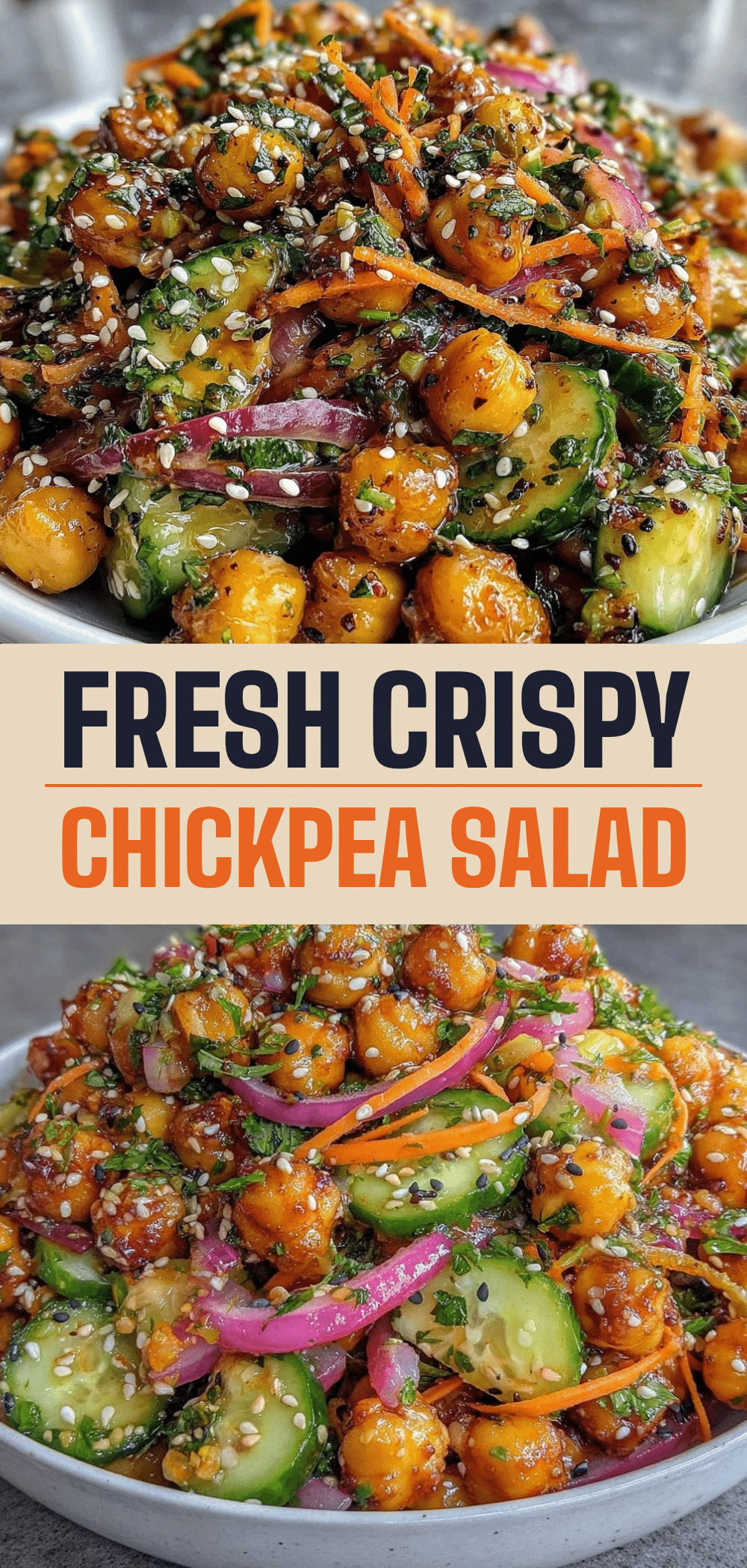
Mediterranean Chickpea Salad: Best No-Cook Summer Side
- Total Time: 15 minutes
- Yield: 6 servings 1x
Description
A vibrant, no-cook summer side dish featuring chickpeas, cucumber, feta, and olives tossed in a tangy lemon-oregano dressing. It improves with time and pairs perfectly with grilled meats.
Ingredients
- 2 cans (15 oz each) chickpeas, drained and rinsed
- 1 large English cucumber, chopped into half-moons or cubes
- 1 small red onion, finely diced
- 1 cup crumbled feta cheese
- 1/2 cup Kalamata olives, pitted and halved
- 2 tablespoons fresh dill, chopped
- 1 tablespoon fresh mint, chopped (optional)
- 1/4 cup extra virgin olive oil
- 3 tablespoons fresh lemon juice
- 1 clove garlic, minced
- 1 teaspoon dried oregano
- 1 teaspoon Dijon mustard
- Salt and black pepper to taste
Instructions
- Drain and rinse the chickpeas thoroughly in a colander to remove excess sodium and metallic taste. Shake off excess water and place in a large mixing bowl.
- Dice the red onion and chop the cucumber into half-moons or small cubes. If using cherry tomatoes, halve them. Chop the fresh dill and mint.
- In a small bowl or jar, whisk together the olive oil, fresh lemon juice, minced garlic, dried oregano, Dijon mustard, salt, and pepper until emulsified and creamy.
- Pour the dressing over the chickpeas and vegetables. Add the crumbled feta and halved olives.
- Toss everything together gently but thoroughly until all ingredients are coated in the dressing.
- Cover the bowl and refrigerate for at least 15-30 minutes to allow flavors to meld.
- Taste and adjust seasoning with salt or lemon if needed before serving cold or at room temperature.
Notes
For best results, rinse chickpeas well to remove metallic taste. Use English cucumbers to prevent watery salad; if using standard cucumbers, scoop out seeds. The salad tastes better after resting in the fridge for 15-30 minutes. Do not freeze as cucumbers and feta do not freeze well. Store in an airtight container in the fridge for up to 3 days.
- Prep Time: 15 minutes
- Cook Time: 0 minutes
- Category: Side Dish
- Cuisine: Mediterranean
Nutrition
- Serving Size: 1 serving
- Calories: 280
- Sugar: 4
- Sodium: 450
- Fat: 18
- Saturated Fat: 6
- Carbohydrates: 22
- Fiber: 6
- Protein: 8
Keywords: Mediterranean chickpea salad, no-cook salad, summer side dish, healthy salad, vegan option, gluten-free, quick recipes, meal prep