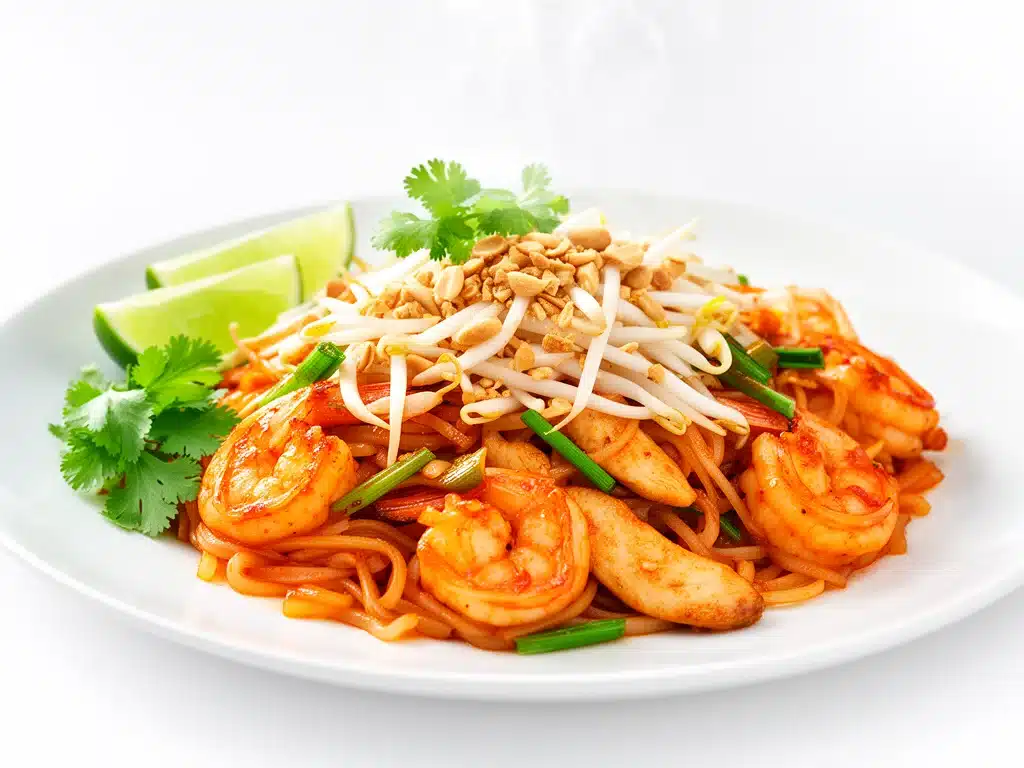
One rainy Friday night, I found myself craving something tangy, sweet, and satisfying but didn’t want to brave the storm to order takeout. I’d tried making Pad Thai before, but it always came out a bit dull or too sweet, nowhere near the vibrant flavors I got at our favorite Thai spot. After several attempts (and a few burned noodles), I finally cracked the code for a restaurant-style Pad Thai with tamarind sauce that my whole family actually asks for again and again. It’s the kind of dish that hits all the right notes—bright, savory, just a touch of heat—and the tamarind sauce is the star that makes it taste authentic without fuss.
This Pad Thai recipe with tamarind sauce has become my go-to for weeknights when I want something impressive but easy enough to whip up in less than 30 minutes. Plus, it’s flexible enough to please both my spice-averse kids and my husband who loves bold flavors. I’ve tested this over a dozen times, tweaking the sauce balance and noodle timing, and trust me—it’s worth the little extra effort to get it just right.
Why You’ll Love This Pad Thai Recipe
This Pad Thai recipe has completely transformed our dinner routine, especially on busy nights when I want restaurant-quality flavor without the wait or price tag. There are several reasons I keep coming back to it:
- Authentic Flavor That Pops — The tamarind sauce here isn’t just sweet sauce slapped on noodles. It’s got that perfect tangy-sour depth you get in a great Pad Thai, balanced with fish sauce, palm sugar, and lime. I even fooled a Thai friend once, and she said it tastes like it’s straight from Bangkok.
- Quick and Easy — From start to finish, you’re looking at about 25-30 minutes. The prep is straightforward, and the noodles cook fast. Perfect for weeknights when you want something fresh and homemade without slaving over the stove.
- Family-Friendly — My kids love adding their own crushed peanuts and lime wedges. The flavor is bold but not overwhelming, and if you want to skip the chili flakes for picky eaters, it’s still delicious.
- Flexible Protein Options — Whether you want to use shrimp, chicken, tofu, or even just extra veggies, this recipe adapts beautifully. I often toss in leftover rotisserie chicken to save time.
- Make-Ahead Sauce — The tamarind sauce can be made a day ahead, which seriously cuts down on the dinner rush. I keep a jar in the fridge for spontaneous Pad Thai cravings.
Honestly, this restaurant-style Pad Thai with tamarind sauce has become my secret weapon for impressing guests and keeping my family happy without the takeout guilt.
Ingredients You’ll Need
Here’s the best part: most of these ingredients are pantry staples or easy to find in the international aisle of your grocery store. I’m picky about a few key ingredients because they make all the difference in nailing that authentic flavor.
- Rice noodles (8 oz / 225g) — Use flat, thin rice noodles labeled “Pad Thai” or “rice stick.” Soak them in warm water until just tender but not mushy. Overcooked noodles are the enemy here.
- Tamarind paste (2 tablespoons) — This is the soul of the sauce. Look for pure tamarind paste without added sugar. It’s tangy and slightly fruity, giving Pad Thai its signature zing.
- Fish sauce (3 tablespoons) — Adds salty umami depth. Use good quality for best flavor. If you want a vegetarian version, substitute with soy sauce or tamari.
- Palm sugar (2 tablespoons) — Balances the tart tamarind with a subtle caramel sweetness. If you can’t find palm sugar, light brown sugar works in a pinch.
- Garlic (3 cloves, minced) — Fresh garlic is a must. It sizzles up the base flavor.
- Eggs (2 large) — Scrambled into the noodles for richness and texture.
- Green onions (3, chopped) — For freshness and crunch.
- Bean sprouts (1 cup) — Added right at the end for crispness.
- Roasted peanuts (½ cup, crushed) — The classic Pad Thai topping. Adds crunch and nuttiness.
- Lime wedges — For squeezing over at the table. Brightens everything up.
- Vegetable oil (3 tablespoons) — For stir-frying. Neutral oils like canola or grapeseed work well.
- Chili flakes (optional, ¼ teaspoon) — For a mild kick. Adjust to taste.
- Shrimp or chicken (8 oz / 225g, optional) — If you want protein, cook it first and set aside. Leftover rotisserie chicken works great too.
Quick note: I always keep extra tamarind paste and fish sauce in my pantry because they come up in so many recipes, including my crispy ranch chicken wraps that my kids adore.
Equipment Needed
You don’t need anything fancy for this Pad Thai, just the basics you probably already own:
- Large skillet or wok — A wok is ideal for stir-frying, but a large non-stick skillet works fine. I use a 12-inch stainless steel skillet for even heat.
- Medium bowl — For soaking the rice noodles.
- Measuring spoons and cups — For the sauce ingredients.
- Sharp knife and cutting board — For chopping garlic and green onions.
- Spatula or wooden spoon — For stirring and scrambling eggs.
If you don’t have a wok, don’t sweat it. Any large pan that gets hot quickly and has room to toss the noodles will do just fine.
How to Make Restaurant-Style Pad Thai with Tamarind Sauce: Step-by-Step
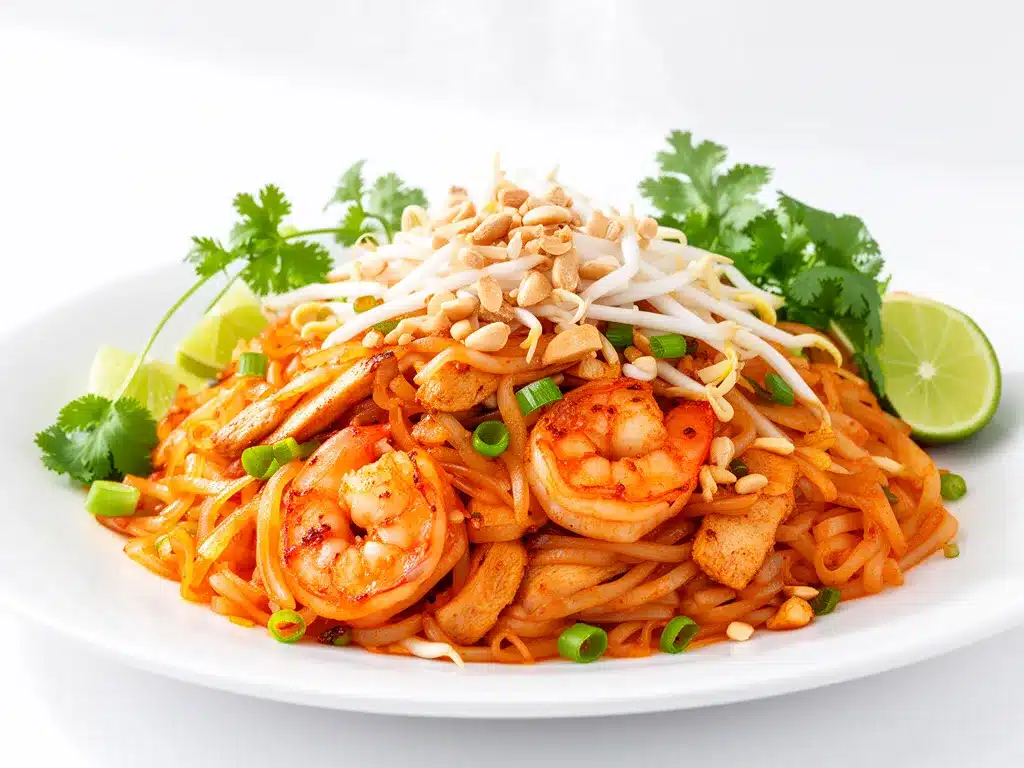
Alright, let’s get cooking! I’m walking you through exactly how I do this, including my favorite little tricks for perfect noodles and sauce balance.
Step 1: Soak the Rice Noodles (10-15 minutes)
Place the rice noodles in a large bowl and cover with warm water (not boiling). Let them soak until they’re flexible but still a little firm—about 10 to 15 minutes depending on the thickness. You don’t want them fully cooked here because they’ll finish cooking in the pan. Drain and set aside.
Step 2: Prepare the Tamarind Sauce
In a small bowl, whisk together tamarind paste, fish sauce, palm sugar, and a splash of water (about 2 tablespoons) until the sugar dissolves. Taste it—this sauce should be tangy, sweet, and salty all at once. Adjust to your liking by adding more tamarind for sourness or sugar for sweetness.
Step 3: Cook the Protein (If Using)
Heat 1 tablespoon of oil in your skillet or wok over medium-high heat. Add shrimp or chicken and cook until just done (shrimp will turn pink and curl, chicken should be golden). Remove from the pan and set aside.
Step 4: Stir-Fry the Aromatics and Eggs
Add the remaining 2 tablespoons of oil to the hot pan. Toss in minced garlic and sauté for about 30 seconds until fragrant but not browned. Push the garlic to the side, crack in the eggs, and scramble them quickly until just set.
Step 5: Add the Noodles and Sauce
Toss in the drained rice noodles and stir-fry everything together. Pour in the tamarind sauce and chili flakes if using. Use tongs or a spatula to toss the noodles gently, making sure every strand is coated in the sauce. This step usually takes about 2-3 minutes. If the noodles stick, add a splash of water to loosen things up.
Step 6: Finish with Veggies and Protein
Return the cooked protein to the pan along with chopped green onions and bean sprouts. Toss everything together for another minute to warm through. The bean sprouts should stay crunchy.
Step 7: Serve with Peanuts and Lime
Plate your Pad Thai and sprinkle generously with crushed roasted peanuts. Serve with lime wedges on the side for squeezing over right before eating. A little fresh lime juice brightens the whole dish and brings it alive.
Total time here is about 25-30 minutes. The sauce is the magic touch that makes this taste just like the restaurant version.
Expert Tips & Tricks
- Soak noodles just right: Over-soaking makes mushy noodles; under-soaking makes them hard to toss. I test by bending a noodle—should be flexible but not limp.
- Balance your sauce: Tamarind paste varies in tartness. Taste the sauce before adding to noodles and tweak sugar or tamarind as needed.
- Don’t overcrowd the pan: If you have a small pan, cook protein separately and add it back in. Overcrowding causes steaming instead of stir-frying.
- Use fresh peanuts: Store-bought roasted peanuts are fine, but if you have raw peanuts, toast them in a dry pan for a few minutes to bring out the flavor.
- Make sauce ahead: The tamarind sauce keeps for up to a week in the fridge. Makes weeknight dinners a breeze.
For more tips on quick weeknight meals, I also love how my homemade mac and cheese comes together with simple ingredients and minimal fuss.
Variations & Substitutions
Once you’ve nailed the classic Pad Thai, you can play around with these variations:
- Vegetarian Version: Skip the fish sauce and use soy sauce or tamari. Add extra tofu or mushrooms for protein.
- Spicy Pad Thai: Amp up the chili flakes or add fresh sliced Thai chilies for more heat.
- Peanut-Free: Use toasted sesame seeds instead of peanuts to keep the crunch.
- Low-Carb: Swap rice noodles for spiralized zucchini or shirataki noodles. The sauce still works great with these!
- Extra Veggies: Bell peppers, snap peas, or shredded carrots stir-fry beautifully with the noodles.
Serving & Storage
I usually serve this Pad Thai straight from the pan, with little bowls of crushed peanuts, extra lime wedges, and chili flakes on the side so everyone can customize. It pairs wonderfully with a simple green salad or steamed veggies.
Store leftovers in an airtight container in the fridge for up to 3 days. When reheating, add a splash of water or oil to loosen the noodles and heat gently in a skillet. Avoid microwaving directly as it can dry out the sauce.
If you want more easy family favorites for busy nights, my turkey and cheese pinwheel recipe is another hit that’s fast and kid-approved.
Nutrition Information
| Nutrient | Per Serving (6 servings) |
|---|---|
| Calories | 380 |
| Protein | 18g |
| Carbohydrates | 45g |
| Fiber | 3g |
| Sugar | 7g |
| Fat | 12g |
| Saturated Fat | 2g |
| Cholesterol | 55mg |
| Sodium | 780mg |
| Calcium | 60mg |
This Pad Thai is a balanced meal with protein, carbs, and fats all in one bowl. The sodium is moderate thanks to the fish sauce, but you can reduce that by using low-sodium soy sauce or less fish sauce. Adding more veggies is a great way to boost fiber and nutrients.
Final Thoughts
So that’s my recipe for restaurant-style Pad Thai with tamarind sauce your whole family will crave. I’ve probably talked your ear off, but after making this dish dozens of times, I can honestly say it’s one of my proudest homemade dishes. It’s saved my weeknights, impressed dinner guests, and even introduced my kids to new flavors without fuss.
Don’t be afraid to make it your own—add more garlic if you love it pungent, toss in extra veggies, or swap proteins depending on what’s in your fridge. The tamarind sauce is the secret sauce that ties it all together, so make sure you get that right.
If you try it, please drop a comment and tell me how it went! I love hearing about your kitchen wins and am here to help if you hit any snags.
Happy cooking! And may your kitchen smell as amazing as mine does right now.
Frequently Asked Questions
Q: Can I use bottled tamarind sauce instead of tamarind paste?
A: Bottled tamarind sauce often has added sugar and preservatives, so I don’t recommend it for this recipe. Tamarind paste is more concentrated and gives you full control over the flavor balance. If you only have bottled sauce, start with a small amount and adjust sugar and lime accordingly.
Q: My noodles clumped together when I added them to the pan. How do I prevent that?
A: This usually happens if the noodles are over-soaked or if the pan isn’t hot enough. Make sure to soak until just tender, then drain well. Stir-fry over high heat and toss constantly to keep noodles separated. Adding a splash of oil or water while stir-frying can help loosen them too.
Q: Can I make the tamarind sauce ahead of time?
A: Absolutely! The sauce keeps well in an airtight container in the fridge for up to a week. Making it ahead saves you loads of time on busy nights.
Q: Is this Pad Thai gluten-free?
A: Yes, as long as you use certified gluten-free rice noodles and substitute soy sauce with tamari or gluten-free soy sauce. Fish sauce is naturally gluten-free but check labels just to be sure.
Q: What’s the best way to reheat leftovers without drying out the noodles?
A: Reheat gently in a skillet over low heat with a splash of water or oil to restore moisture. Stir often to prevent sticking. Microwaving works but can dry out the noodles faster, so add a little liquid if you go that route.
Q: Can I double this recipe for a crowd?
A: Yes! Just double all ingredients and use your largest pan or wok. You might need to stir-fry in batches if your pan isn’t big enough to avoid overcrowding.
Q: What protein options work best?
A: Shrimp and chicken are classic, but tofu, pork, or even just extra veggies are great too. I love using leftover rotisserie chicken for a speedy weeknight version.
Pin This Recipe!
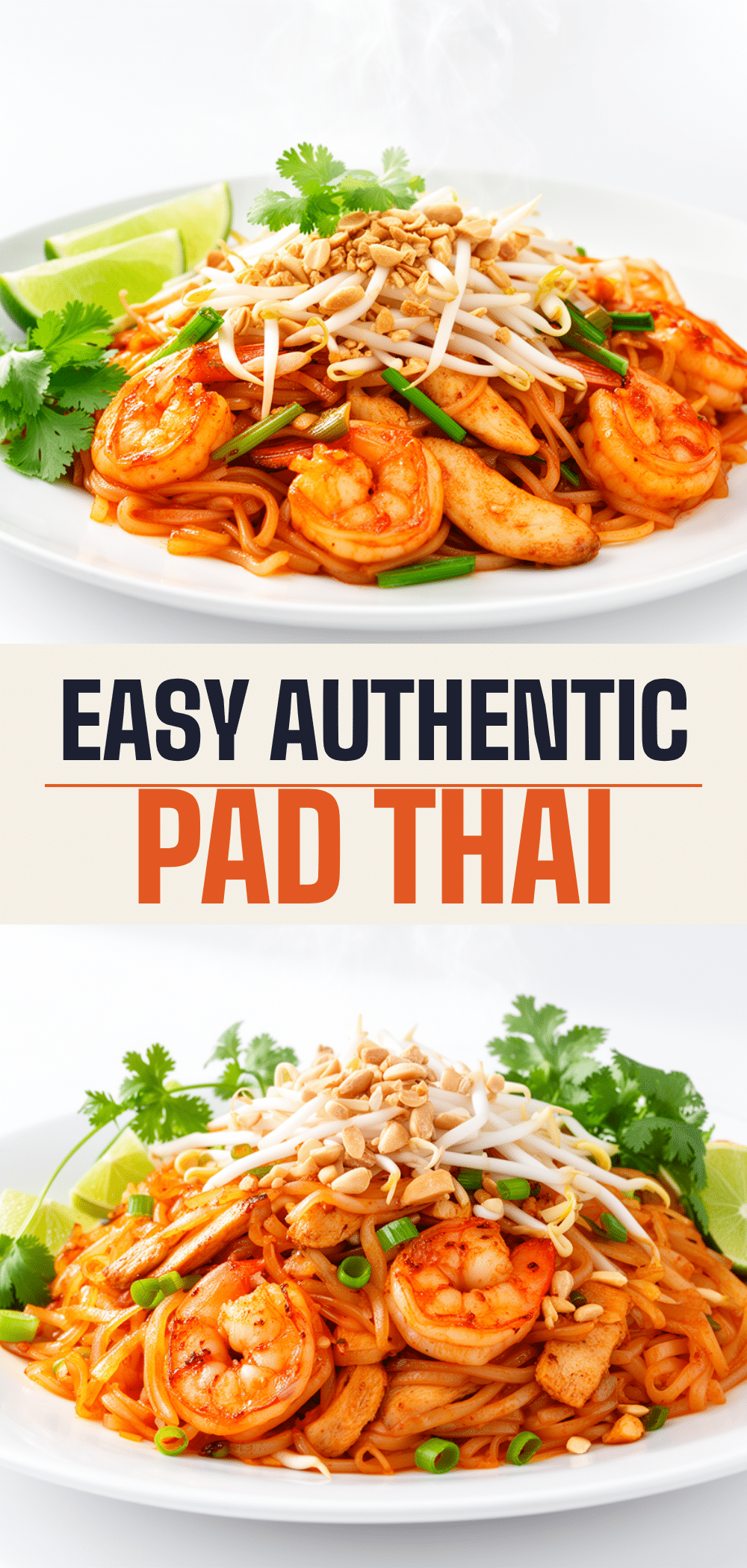
Pad Thai Recipe Restaurant-Style with Tamarind Sauce Easy Family Favorite
- Total Time: 30 minutes
- Yield: 6 servings 1x
Description
A restaurant-style Pad Thai with tamarind sauce that delivers authentic, tangy, and savory flavors in under 30 minutes. Perfect for family dinners with flexible protein options and easy prep.
Ingredients
- 8 oz (225g) flat, thin rice noodles (Pad Thai or rice stick)
- 2 tablespoons tamarind paste
- 3 tablespoons fish sauce (or soy sauce/tamari for vegetarian)
- 2 tablespoons palm sugar (or light brown sugar)
- 3 cloves garlic, minced
- 2 large eggs
- 3 green onions, chopped
- 1 cup bean sprouts
- ½ cup roasted peanuts, crushed
- Lime wedges, for serving
- 3 tablespoons vegetable oil (canola or grapeseed)
- ¼ teaspoon chili flakes (optional)
- 8 oz (225g) shrimp or chicken (optional)
Instructions
- Soak the rice noodles in warm water for 10-15 minutes until flexible but still firm. Drain and set aside.
- In a small bowl, whisk together tamarind paste, fish sauce, palm sugar, and about 2 tablespoons water until sugar dissolves. Adjust to taste.
- Heat 1 tablespoon oil in a skillet or wok over medium-high heat. Cook shrimp or chicken until done, then remove and set aside.
- Add remaining 2 tablespoons oil to the pan. Sauté minced garlic for 30 seconds until fragrant. Push garlic aside, crack in eggs, and scramble until just set.
- Add drained noodles to the pan and stir-fry with eggs and garlic. Pour in tamarind sauce and chili flakes if using. Toss gently for 2-3 minutes, adding water if noodles stick.
- Return cooked protein to the pan along with chopped green onions and bean sprouts. Toss for 1 minute to warm through, keeping bean sprouts crunchy.
- Serve topped with crushed peanuts and lime wedges for squeezing over.
Notes
Soak noodles until flexible but not mushy to avoid clumping. Adjust tamarind and sugar in sauce to balance tangy and sweet flavors. Cook protein separately if pan is small to avoid overcrowding. Sauce can be made ahead and stored up to a week in the fridge. Reheat leftovers gently with a splash of water or oil to prevent drying.
- Prep Time: 15 minutes
- Cook Time: 15 minutes
- Category: Main Course
- Cuisine: Thai
Nutrition
- Serving Size: 1 serving (approxima
- Calories: 380
- Sugar: 7
- Sodium: 780
- Fat: 12
- Saturated Fat: 2
- Carbohydrates: 45
- Fiber: 3
- Protein: 18
Keywords: Pad Thai, tamarind sauce, Thai recipe, restaurant-style Pad Thai, easy Pad Thai, family dinner, shrimp Pad Thai, chicken Pad Thai, vegetarian Pad Thai