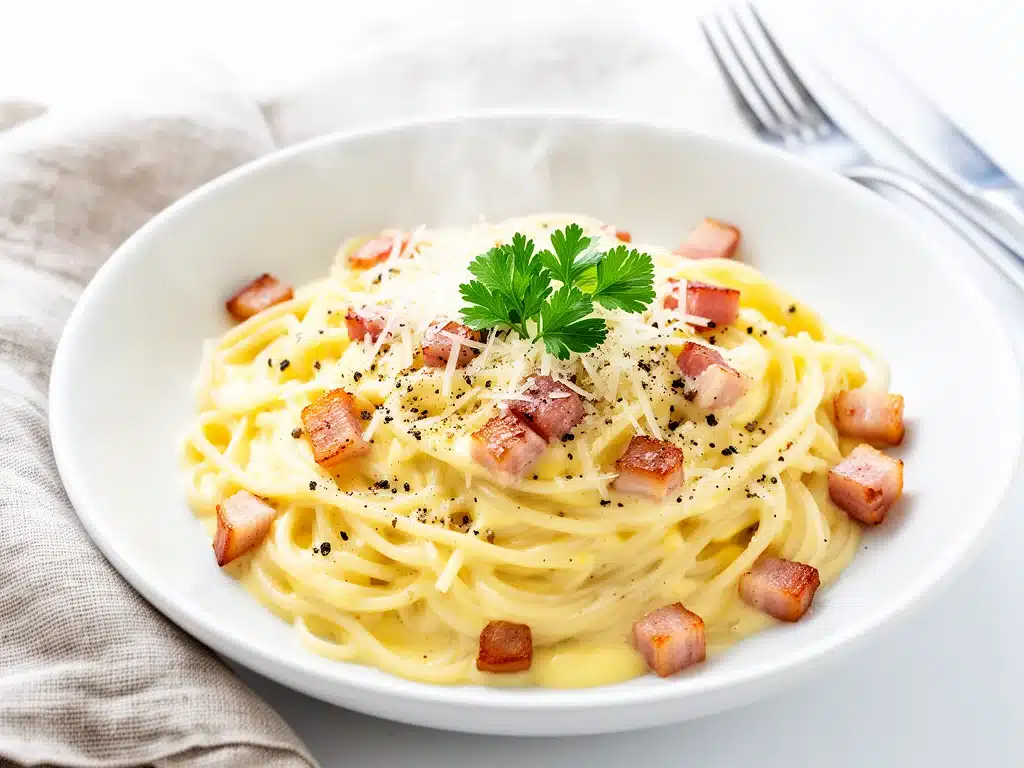
One chilly evening last fall, I found myself craving something comforting but quick. I had just gotten home after a long day, and the last thing I wanted was to rummage through the fridge for something complicated. I glanced at a few basic ingredients—eggs, pancetta, Parmesan—and remembered a trip to Rome years ago where I first tasted the magic of authentic Italian carbonara. That night, I threw together this classic pasta with just five simple ingredients, and it blew me away. Since then, it’s become my secret weapon for dinners that feel fancy but come together in under 20 minutes.
Here’s the thing about authentic Italian carbonara: it’s not about drowning pasta in cream or piling on tons of ingredients. It’s about simplicity done right, where each ingredient shines. I’ve made this recipe more times than I can count, tweaking it just enough to get the timing and texture perfect. If you’re looking for an easy, satisfying dinner that you’ll want to make on repeat, this is it.
Why You’ll Love This Recipe
This authentic Italian carbonara recipe has completely changed how I think about quick dinners. There are a handful of reasons I keep going back to it:
- Ridiculously Simple — Five main ingredients. That’s it. If you can cook pasta and whisk eggs, you’re golden. I’ve helped my less-cooking-inclined friends nail this over Zoom.
- Speedy Comfort Food — From start to finish, it takes about 20 minutes. Perfect for those nights when you want homemade but don’t have hours.
- Minimal Ingredients, Maximum Flavor — No cream, no fuss. Just pancetta, eggs, cheese, pasta, and pepper. The result is rich, silky, and full of umami. My husband swears it rivals any restaurant.
- Budget-Friendly — Feeds 4 for under $15 using pantry staples and simple cheese. Way cheaper than takeout carbonara.
- Leftover Magic — I know, pasta leftovers can be sad, but this reheats beautifully with a splash of water and a quick stir. Lunch the next day? Yes, please.
This recipe hits all the marks for me—it’s the kind of dinner that makes the whole family happy without turning me into a short-order cook. Plus, it’s a great way to impress without sweating it. If you love simple Italian flavors done right, you’re going to want to bookmark this one.
Ingredients You’ll Need
Here’s where the magic begins. This authentic Italian carbonara looks simple, but I’m picky about a few ingredients because they really make a difference.
- Spaghetti (12 oz / 340g) — I stick with spaghetti because it holds the sauce perfectly. You can use bucatini or linguine if you like, but don’t swap for penne or other short pasta here.
- Pancetta (6 oz / 170g) — This is the soul of the dish. Authentic carbonara uses cured pork jowl or belly, but pancetta from the grocery store works great. If you can’t find pancetta, guanciale is traditional but often hard to source. Avoid bacon—it’s smoky and changes the flavor.
- Eggs (3 large) — Whole eggs, not just yolks or whites. They create that creamy, silky sauce without any cream. I always use room temperature eggs for better blending.
- Parmigiano-Reggiano (1 cup / 100g, freshly grated) — Freshly grated Parmesan is a game-changer here. Pre-grated cheese has anti-caking agents that mess with the sauce texture. I buy a wedge and grate it myself—it’s worth the extra two minutes.
- Freshly ground black pepper (2 teaspoons) — Don’t skip this. Pepper is a star player in carbonara, adding warmth and bite. I grind mine fresh—pre-ground just isn’t the same.
- Salt — For the pasta water. The water should taste like the sea, so don’t be shy.
That’s really all you need. You probably have most of these on hand already.
Equipment Needed
You don’t need any fancy gadgets to pull off this recipe.
- Large pot — For boiling the pasta. Make sure it’s big enough to give the spaghetti room to cook evenly.
- Large skillet or frying pan — For crisping the pancetta and tossing everything together.
- Bowl — To whisk the eggs and cheese mixture.
- Tongs or pasta fork — For mixing the pasta in the sauce.
- Fine grater — A microplane or box grater for the Parmesan.
- Measuring spoons — For the black pepper.
- Whisk or fork — For combining eggs and cheese.
Optional but nice:
- Thermometer — To check pasta water temperature if you want to be precise, but not necessary.
- Timer — To keep track of pasta cooking time.
How to Make It: Step-by-Step
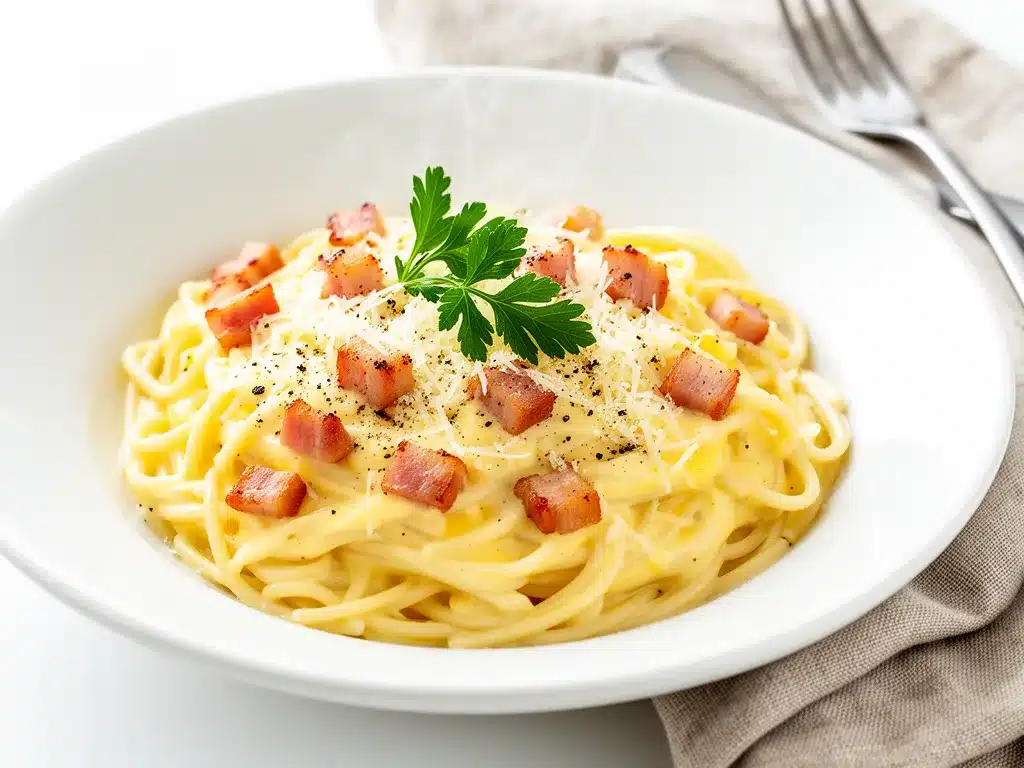
Alright, here’s how I make this authentic Italian carbonara every time. I’ve learned a few tricks along the way, so I’m sharing those too.
Step 1: Prep Your Ingredients (5 minutes)
Start by grating your Parmesan cheese and cracking the eggs into a bowl. Whisk the eggs and cheese together until smooth and creamy. Set aside. Dice the pancetta into small cubes or strips. Bring a large pot of salted water to a rolling boil.
Step 2: Cook the Pasta (8-10 minutes)
Add spaghetti to the boiling water and cook until just shy of al dente (about 1-2 minutes less than package instructions). This is key because the pasta will finish cooking in the sauce, soaking up all those flavors. Before draining, scoop out about 1 cup of pasta water and reserve it. Drain the pasta and set aside.
Step 3: Crisp the Pancetta (4-5 minutes)
While the pasta cooks, heat a large skillet over medium heat. Add the pancetta and cook until crispy and golden, about 4-5 minutes. You’ll see the fat rendering out—that’s pure flavor. Remove the skillet from heat once pancetta is perfectly crisp.
Step 4: Combine Pasta and Pancetta (1 minute)
Add the drained pasta to the skillet with pancetta (off the heat to avoid scrambling the eggs). Toss gently to coat the pasta in the rendered fat.
Step 5: Add Egg Mixture and Toss Quickly (2-3 minutes)
Pour the egg and cheese mixture over the pasta, tossing quickly with tongs or a fork. The residual heat will cook the eggs gently, creating a creamy sauce that clings to every strand. Add reserved pasta water a splash at a time as needed to loosen the sauce and get the perfect silky consistency. Don’t add all the water at once—you want control.
Step 6: Season and Serve Immediately
Finish by grinding plenty of fresh black pepper over the top. Taste and add salt if needed (usually just a pinch). Serve immediately with extra grated Parmesan on the side.
Pro tip: Keep the skillet off the heat when adding the egg mixture. Too much heat and you’ll end up with scrambled eggs instead of a smooth sauce. I burned this part twice before I got it right, so trust me on this.
Expert Tips & Tricks
- Use room temperature eggs: Cold eggs shock the pasta and can clump. Take them out 15 minutes before cooking.
- Don’t add cream: Real Italian carbonara never uses cream. The magic is in the eggs and cheese.
- Reserve pasta water: That starchy water is your secret weapon for sauce texture. Add it gradually.
- Use fresh black pepper: It adds essential flavor and a bit of heat that balances the richness.
- Cook pancetta slowly: Low and slow renders the fat and crisps it perfectly without burning.
- Serve immediately: Carbonara waits for no one. It’s best fresh and creamy.
Common mistakes I made early on included ending up with scrambled eggs or a dry sauce. Keeping the heat low and adding pasta water in small amounts fixed both problems.
Variations & Substitutions
Once you have the classic down, feel free to experiment a bit:
- Vegetarian Carbonara — Skip pancetta and add sautéed mushrooms or smoked paprika for a savory kick.
- Guanciale Swap — If you can find guanciale (pork cheek), use it instead of pancetta for a more authentic flavor.
- Cheese Variations — Mix Pecorino Romano with Parmesan for a sharper bite.
- Spaghetti Alternatives — Bucatini offers a fun twist with its hollow center.
- Gluten-Free — Use gluten-free spaghetti. The sauce is naturally gluten-free.
If you want to keep it classic but add a little extra, try tossing in some fresh peas or a handful of arugula at the end for brightness. I also love pairing this with a simple green salad or garlic bread (because who doesn’t?).
Serving & Storage
I usually serve carbonara straight from the skillet at the table—it’s rustic and keeps warm. It pairs beautifully with a crisp salad or roasted veggies. When I’m in a pinch, I add a side of homemade mac and cheese for the kids—something creamy but different textures always win.
Storage: Carbonara is best eaten fresh, but leftovers keep well for up to 3 days in the fridge in an airtight container. To reheat, add a splash of water or broth and warm gently in a skillet over low heat while stirring to bring back creaminess. Microwave works too, but add water and heat in short bursts. Avoid reheating in the original pan as it tends to burn.
I don’t recommend freezing carbonara since the eggs and cheese can separate, making it less enjoyable.
Nutrition Information
I’m not a nutritionist, but here’s a rough idea for this recipe based on 4 servings:
| Calories | 520 |
|---|---|
| Protein | 25g |
| Carbohydrates | 55g |
| Fat | 22g |
| Saturated Fat | 8g |
| Cholesterol | 210mg |
| Sodium | 680mg |
This dish offers a good amount of protein from eggs and cheese and satisfying carbs from pasta. It’s definitely rich, so I balance it with a side of veggies or salad. Using less cheese or swapping part of the cheese for Pecorino Romano can slightly change the nutrition.
Final Thoughts
So that’s my go-to authentic Italian carbonara—simple ingredients, quick prep, and seriously delicious. I’ve probably made this dish more times than I can count, and it’s saved me on nights when I just don’t have the energy to fuss over dinner. It’s comfort food that feels special without any stress.
Make it your own: add more pepper if you like heat, swap in guanciale if you find it, or throw in some greens for color and nutrition. This recipe isn’t about perfection, it’s about making a classic that feels like home.
If you try it, drop a comment—I love hearing how it turns out in your kitchen. And if you run into any hiccups, I’m here to help figure it out.
Happy cooking! I hope your kitchen smells half as good as mine does right now.
Frequently Asked Questions
Q: Can I use bacon instead of pancetta?
A: You can, but it changes the flavor quite a bit. Pancetta is cured but not smoked, giving a clean pork flavor. Bacon is smoked and can overpower the dish. If you use bacon, cook it gently to avoid too much smokiness.
Q: Why do I add raw eggs to hot pasta? Isn’t that risky?
A: The heat from the pasta gently cooks the eggs, creating a creamy sauce without scrambling. Just be sure to toss quickly off the heat. I’ve never had any issues with this method, and it’s the traditional Italian way.
Q: My sauce turned out scrambled. What went wrong?
A: Most likely you added the egg mixture while the pan was still on high heat. Always remove the pan from heat before adding eggs and toss quickly. If it scrambles, try whisking in a little warm pasta water to smooth it out.
Q: Can I make carbonara ahead of time?
A: You can make the pancetta and sauce mixture ahead, but it’s best to cook pasta fresh and toss everything together right before serving. The sauce can be gently reheated, but fresh is always best.
Q: Can I use pre-grated Parmesan?
A: I don’t recommend it. Pre-grated cheese contains anti-caking agents that can make the sauce grainy. Grating fresh Parmesan takes just a couple of minutes and makes a huge difference.
Q: How much black pepper should I use?
A: Carbonara is known for its peppery kick, so don’t skimp. I use about 2 teaspoons of freshly ground black pepper, but adjust to your taste. It balances the richness perfectly.
Q: Can I substitute spaghetti for gluten-free pasta?
A: Yes! Just use your favorite gluten-free spaghetti. The sauce is naturally gluten-free, so it’s a great option for those avoiding gluten.
And if you’re looking for more easy weeknight meals, I highly recommend trying the crunchy ranch chicken wraps—another recipe that’s simple but packs serious flavor.
Pin This Recipe!
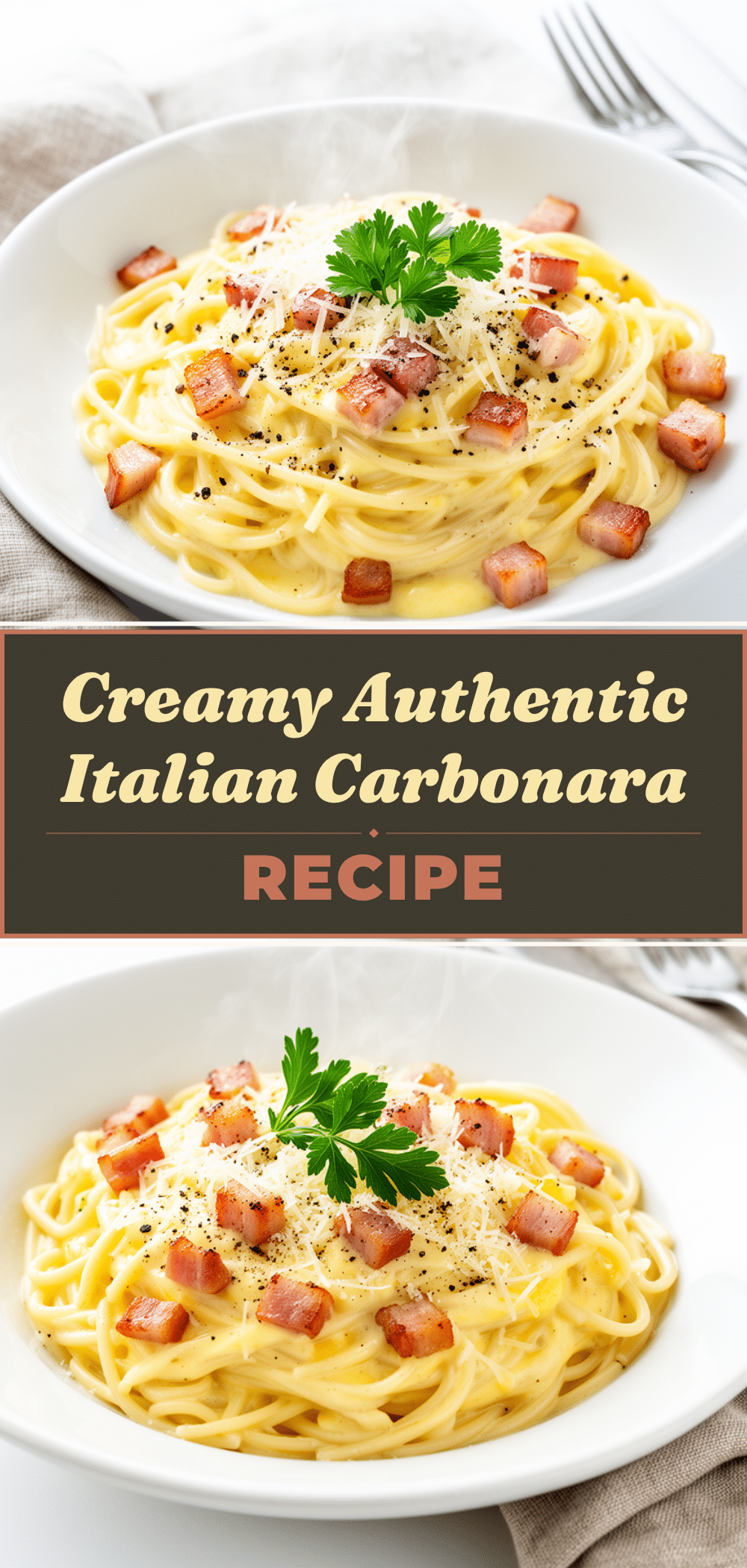

Authentic Italian Carbonara
- Total Time: 20 minutes
- Yield: 4 servings 1x
Description
A classic Italian pasta dish made with just five simple ingredients—spaghetti, pancetta, eggs, Parmesan cheese, and black pepper—for a quick, comforting dinner ready in under 20 minutes.
Ingredients
- 12 oz spaghetti
- 6 oz pancetta, diced
- 3 large eggs, room temperature
- 1 cup (100g) freshly grated Parmigiano-Reggiano
- 2 teaspoons freshly ground black pepper
- Salt, for pasta water
Instructions
- Grate Parmesan cheese and crack eggs into a bowl. Whisk eggs and cheese together until smooth and creamy. Set aside.
- Dice pancetta into small cubes or strips. Bring a large pot of salted water to a rolling boil.
- Add spaghetti to boiling water and cook until just shy of al dente (about 1-2 minutes less than package instructions). Reserve 1 cup of pasta water before draining.
- Drain pasta and set aside.
- Heat a large skillet over medium heat. Add pancetta and cook until crispy and golden, about 4-5 minutes. Remove skillet from heat.
- Add drained pasta to skillet with pancetta off the heat. Toss gently to coat pasta in rendered fat.
- Pour egg and cheese mixture over pasta, tossing quickly with tongs or fork. Add reserved pasta water a splash at a time to loosen sauce to desired silky consistency.
- Grind plenty of fresh black pepper over the top. Taste and add salt if needed. Serve immediately with extra grated Parmesan on the side.
Notes
Use room temperature eggs to prevent clumping. Do not add cream; authentic carbonara uses eggs and cheese for creaminess. Add reserved pasta water gradually to control sauce texture. Keep skillet off heat when adding egg mixture to avoid scrambling. Use freshly grated Parmesan for best texture and flavor.
- Prep Time: 5 minutes
- Cook Time: 15 minutes
- Category: Main Course
- Cuisine: Italian
Nutrition
- Serving Size: 1 serving (approxima
- Calories: 520
- Sodium: 680
- Fat: 22
- Saturated Fat: 8
- Carbohydrates: 55
- Protein: 25
Keywords: carbonara, Italian pasta, pancetta, easy dinner, quick pasta recipe, authentic carbonara, simple ingredients