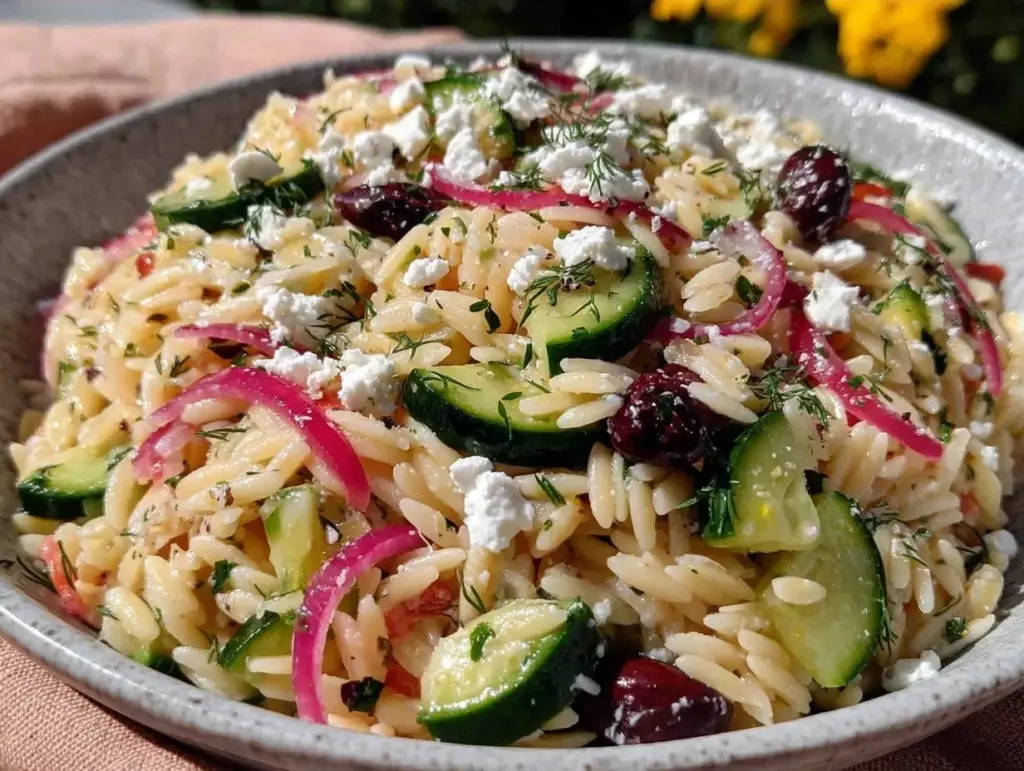
Last year, I stood in my kitchen staring at a grill that was already smoking, a half-eaten bag of potato chips on the counter, and absolutely no idea what to serve alongside the main event. It was Labor Day, the sun was beating down on the patio, and the humidity was already sticking my shirt to my back. I had planned for grilled chicken, corn on the cob, and maybe some coleslaw. But somewhere between the charcoal and the first beer, the coleslaw idea felt heavy. Too mayo-heavy. Too cold. Too… wintery for a 90-degree afternoon.
So I did what I always do when I’m panicked: I raided the pantry. I found a box of orzo pasta, a block of feta that was crying out to be crumbled, and a cucumber that was still cold from the fridge. I threw them together with some olive oil, lemon juice, and enough fresh dill to make my neighbor jealous. I tossed it all in a bowl and set it on the table. Twenty minutes later, that bowl was gone. Not a single grain left. Even my picky brother-in-law, who usually complains about everything, asked for the recipe.
That was the birth of my go-to Labor Day Summer Orzo Salad with Feta and Cucumber. It’s not just a side dish; it’s a rescue mission in disguise. It’s bright, it’s refreshing, and it’s the kind of salad that actually tastes better after it sits for an hour because the flavors have time to marry. I’ve made this salad for everything from casual backyard BBQs to slightly more dressed-up dinner parties where I wanted to look like I’d spent hours in the kitchen (spoiler: it takes 20 minutes). And honestly? It’s the star of the show more often than not.
People always assume it’s complicated because it’s orzo. They think, “Oh, that’s risotto rice, that takes forever.” Nope. It’s tiny pasta that soaks up all that lemony, herby dressing like a sponge. It’s creamy without being heavy, savory without being salty, and it’s got that perfect chew that makes you keep going back for more. If you’re looking for a Labor Day side that will actually impress your guests instead of just filling space, this is it. It’s the perfect partner to Labor Day Grilled BBQ Chicken Thighs because the brightness cuts through that rich, sticky sweetness.
Why You’ll Love This Recipe
There are a dozen reasons I keep making this salad on repeat, but here are the ones that actually matter when you’re stressed about hosting.
It’s the Ultimate Make-Ahead Hero — Seriously, this is my secret weapon. I make this salad the night before. I let it chill in the fridge overnight. When I pull it out on party day, it’s cold, crisp, and fully flavored. Most salads get soggy or wilt in the heat. This one? It thrives. I’ve had leftovers that tasted just as good on day three as they did on day one.
It Looks Fancy (But Isn’t) — The tiny orzo pearls look elegant in a big white bowl. The flecks of green dill and parsley against the white feta and cucumber look like you actually tried. Guests will ask, “Did you buy this from that fancy deli?” No. It’s just pasta and cheese. But it *looks* like you put in effort. And that effort is worth it.
It’s Light, Not Empty — You know how some summer salads are just sad iceberg lettuce with a vinaigrette that tastes like vinegar? This isn’t that. The orzo gives you substance. The feta gives you salt and creaminess. It’s filling enough that people don’t feel like they need to pile their plates high with carbs later. It feels sophisticated but stays light.
It Pairs With Everything — I’ve served this with Crockpot BBQ Pulled Chicken Sliders, grilled steak, salmon, and even just plain grilled veggies. It’s a chameleon. If it’s hot outside, it’s refreshing. If it’s a bit cooler, it’s still delicious. It never fails.
Minimal Cleanup — One bowl. One whisk. One pot for the pasta. That’s it. You don’t need a fancy salad spinner or a dozen different chopping boards. I can throw this together while my husband mans the grill. It’s the kind of recipe that lets you actually enjoy the party instead of being stuck in the kitchen.
Ingredients You’ll Need
Here’s the best part: you probably have most of this already. It’s simple, high-quality ingredients that shine because there aren’t too many of them. I’m particular about three things here, and I’ll tell you exactly why.
Orzo Pasta (8 ounces / 225g) — This is the star. Look for standard dry orzo. Some people call it “rice pasta” because of the shape, but it’s just tiny shells of pasta. Don’t use arborio rice; it won’t have the same chew. I love that it’s small enough to eat with a fork but big enough to hold dressing. It’s the perfect bite-sized vehicle for flavor.
English Cucumber (1 large, diced) — This is non-negotiable. English cucumbers have thin skins and fewer seeds. Regular cucumbers can be watery and bitter. You want that crisp, clean crunch. Peel it if you’re worried about the skin, but honestly, I leave it on for color. Just dice it into small, uniform cubes so it mixes evenly with the orzo.
Feta Cheese (6 ounces / 170g, crumbled) — Use a block of feta, not the pre-crumbled stuff in a bag. Pre-crumbled feta is coated in potato starch to keep it from clumping, which means it doesn’t melt or blend into the dressing the same way. Buy a block and crumble it with your fingers. You want big, creamy chunks that burst with saltiness. Greek feta is usually creamier and less salty than Turkish feta, which I prefer for this.
Red Onion (½ medium, finely diced) — This adds a sharp bite that balances the creamy cheese. If you’re sensitive to raw onion, soak the diced onions in ice water for 10 minutes before using. It takes away the harsh bite but keeps the crunch. Drain well before adding to the salad.
Fresh Dill (½ cup, chopped) — Dill and feta are best friends. They’re a classic pairing for a reason. Use fresh dill; dried just doesn’t have that bright, grassy aroma. Chop it finely so you get a bit of herb in every bite. If you don’t love dill, you can use fresh mint or parsley, but dill is the traditional choice for a reason.
Extra Virgin Olive Oil (⅓ cup / 80ml) — Don’t skimp here. This is a cold salad, so the olive oil is the main fat. Use a good quality, fruity extra virgin olive oil. It should taste green and peppery. If your oil tastes bland or rancid, the salad will taste bland or rancid. I keep a specific bottle just for salads.
Lemon Juice (3-4 tablespoons, fresh) — Bottled lemon juice tastes like cleaner fluid. Squeeze your own lemons. You want that bright, acidic punch to cut through the richness of the feta and oil. Taste as you go; some lemons are more tart than others.
Garlic (1 clove, minced) — Just one. You want a hint of garlic, not a garlic bomb. Mince it super fine or grate it on a microplane so it dissolves into the dressing.
Kalamata Olives (½ cup, pitted and halved) — Optional, but I highly recommend them. They add a briny, meaty depth that makes the salad feel more substantial. If you’re not a fan of olives, skip them, but they’re a great texture contrast.
Sea Salt and Black Pepper — To taste. Remember, feta is salty, so go easy on the salt until you’ve tasted it.
Equipment Needed
You don’t need fancy equipment for this. Here’s what I actually use.
Large Pot — For boiling the orzo. Any pot that can hold 8 ounces of pasta plus water will do. I use a medium saucepan.
Colander — To drain the pasta. A simple mesh colander works fine.
Large Mixing Bowl — Something wide and shallow is best for tossing. I use a big ceramic bowl because it looks nice serving from.
Whisk — For emulsifying the olive oil and lemon juice. A small whisk is perfect.
Sharp Knife and Cutting Board — For dicing the cucumber and onion. Keep it clean so you don’t transfer onion juices to your herbs.
Measuring Cups and Spoons — Standard stuff. I measure the oil and lemon juice precisely because the ratio matters for the dressing.
How to Make It: Step-by-Step
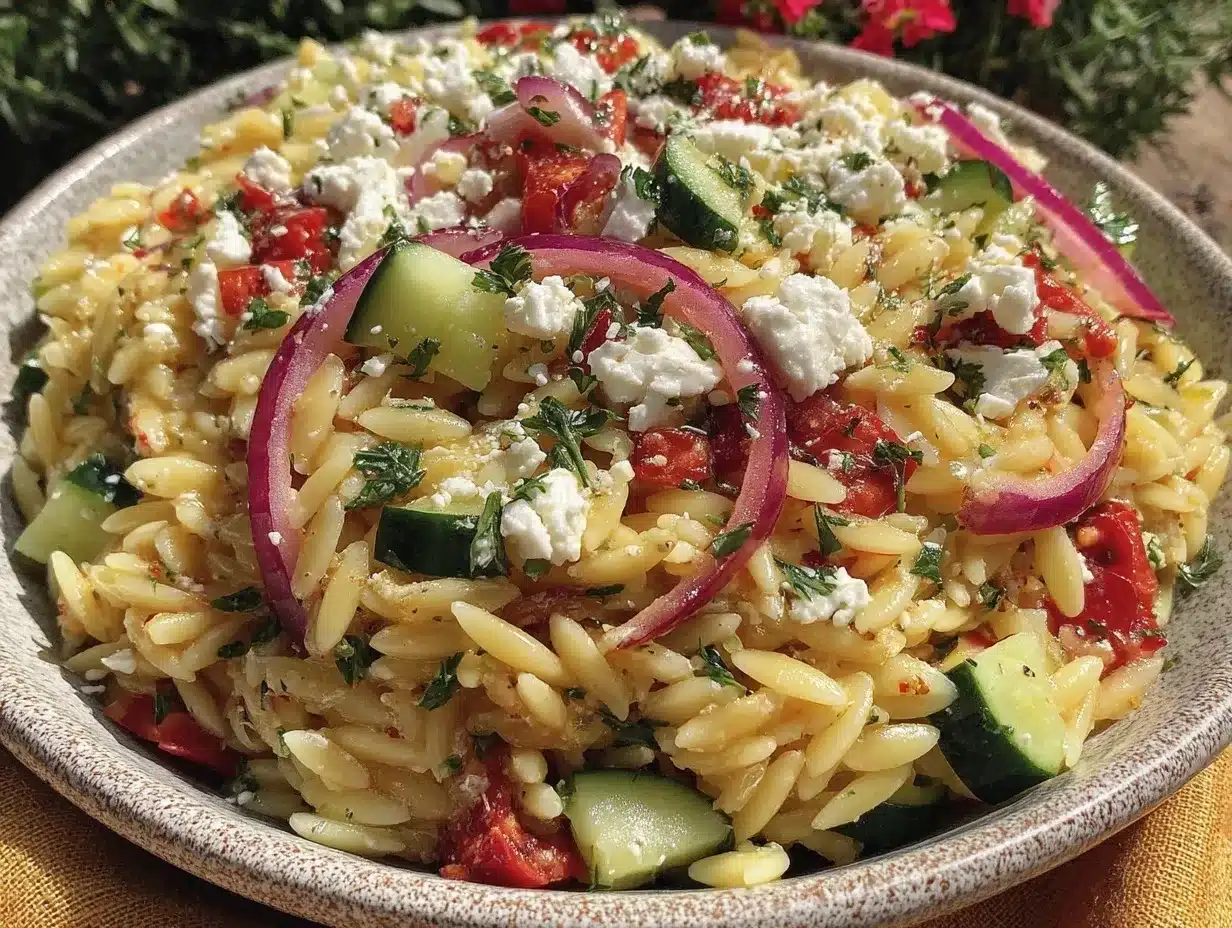
Alright, let’s make this! I’m walking you through exactly how I do it, including the little tricks I’ve picked up.
Step 1: Cook the Orzo (10 minutes)
Bring a large pot of salted water to a boil. The water should taste like the ocean. Add the orzo and cook according to package directions, usually 8-10 minutes, until al dente. It should be tender but still have a slight bite. Don’t overcook it into mush. While it cooks, you can start prepping your veggies.
Step 2: Shock the Pasta (2 minutes)
Once the orzo is done, drain it immediately. Here’s the trick: rinse the hot pasta under cold water for 30 seconds. This stops the cooking and washes away excess starch so the pasta doesn’t clump together. Shake off as much water as possible. You want the pasta cool and dry, not wet and slimy. Set it aside to cool completely.
Step 3: Prep the Vegetables (5 minutes)
While the pasta cools, dice the cucumber into small cubes. If using red onion, dice it finely and soak it in ice water for 10 minutes, then drain. Chop the fresh dill. If using olives, pit and halve them. Have everything ready in bowls or on a plate.
Step 4: Make the Dressing (2 minutes)
In a small bowl or jar, whisk together the olive oil, lemon juice, minced garlic, salt, and pepper. Whisk vigorously until it looks emulsified and slightly creamy. The oil and lemon should blend into a unified liquid, not separate immediately. Taste it. It should be bright and tangy. Adjust salt or lemon as needed.
Step 5: Toss It All Together (3 minutes)
In your large serving bowl, combine the cooled orzo, cucumber, onion, and dill. Pour the dressing over the top. Add the crumbled feta and olives (if using). Toss gently but thoroughly until everything is coated. The orzo will absorb some of the dressing, which is exactly what you want.
Step 6: Chill and Serve (30 minutes to overnight)
Cover the bowl and refrigerate for at least 30 minutes. This is the most important step. It lets the flavors meld. The orzo absorbs the lemon and olive oil, the feta softens slightly, and the cucumber gets cold and crisp. When you’re ready to serve, give it a final toss and add a crack of fresh black pepper on top.
Expert Tips & Tricks
Here’s everything I’ve learned from making this dozens of times. These tips will save you from my mistakes.
Don’t Skip the Ice Bath
Rinsing the orzo is crucial. If you don’t rinse it, the residual heat will keep cooking it, and the starch will make it gummy. Cold water stops that. It also makes the salad refreshing instead of warm.
Crumb Your Own Feta
I can’t stress this enough. Pre-crumbled feta is dry and dusty. Block feta is moist and creamy. Crumble it with your fingers into irregular chunks. Those chunks will break apart slightly in the dressing, creating little pockets of salty creaminess.
Let It Sit
I know you want to eat it right away. Don’t. The first hour is good. The second hour is great. After four hours, it’s amazing. The pasta acts like a sponge, soaking up the dressing and becoming flavorful all the way through. If you make it the night before, you’ll thank me.
Balance the Salt
Feta is salty. Olives are salty. The dressing has salt. Taste the salad before adding more salt. I usually add a little pepper at the end instead. If it needs more salt, add it in tiny increments.
Use Room Temperature Ingredients
If your feta is rock hard from the fridge, it won’t blend well. Take it out 15 minutes before you start. Also, if your olive oil is too cold, it might solidify in the dressing. Room temp olive oil makes a smoother emulsion.
Variations & Substitutions
Once you’ve nailed the basic version, here’s how you can mix it up. I’ve tried all of these.
Protein-Packed Version
Add grilled chicken strips or chickpeas. I love adding leftover Grilled Chicken Salad elements, like charred corn and grilled chicken, to make it a full meal. It turns the side dish into a main course.
Mediterranean Twist
Add chopped Kalamata olives and a handful of sun-dried tomatoes. It makes it more intense and savory. Great with fish.
Herb Swap
No dill? Use fresh mint. Mint and feta are also a classic combo. Or use a mix of parsley and mint for a different flavor profile. Basil is also good, but it can get slimy if chopped too early. Add basil right before serving.
Vegan Option
Swap feta for a vegan feta alternative (there are good ones now) or use crumbled tofu marinated in lemon and salt. Use olive oil and lemon juice as usual. It’s surprisingly good.
Gluten-Free
Use gluten-free orzo or small pasta like ditalini. Everything else is naturally gluten-free. Just check your olive oil and feta labels to be sure.
Serving & Storage
How to Serve:
I serve this straight from the bowl at the table. It looks rustic and inviting. Pair it with grilled meats, fish, or just some crusty bread. It’s also great as a light lunch on its own with some extra feta on top.
Side Dishes:
It pairs perfectly with Charred Lemon Grilled Chicken because the lemon in the salad echoes the chicken. It’s also great with grilled veggies, salmon, or lamb chops.
Storage:
Store in an airtight container in the fridge for up to 4 days. The salad will absorb more dressing as it sits, so it might look dry on day 4. Just stir in a splash of olive oil or lemon juice before serving to wake it up.
Reheating:
Do not reheat this. It’s a cold salad. Heating it will make the cucumber limp and the feta weird.
Nutrition Information
I’m not a nutritionist, but here’s the breakdown if you’re tracking. Note that this is an estimate based on standard ingredients.
Per Serving (based on 6 servings):
- Calories: 280
- Protein: 8g
- Carbs: 32g
- Fiber: 2g
- Sugar: 3g
- Fat: 14g
- Saturated Fat: 5g
- Sodium: 450mg
What’s Good:
It’s relatively low in calories for a pasta salad. The olive oil provides healthy fats. The feta gives you calcium and protein. It’s a balanced side dish.
What to Know:
It’s higher in sodium due to the feta and olives. If you’re watching salt, use low-sodium feta and skip the olives. It’s not a diet food, but it’s not a calorie bomb either. It’s a reasonable indulgence.
Final Thoughts
So that’s my Labor Day Summer Orzo Salad with Feta and Cucumber! I’ve probably talked your ear off at this point, but when you make a recipe this often, you have a lot to say about it. This salad has saved me from culinary disaster more times than I can count. It’s my answer to “what’s for the side dish?” when I’m tired, hot, and don’t want to cook a lot.
It’s light, it’s flavorful, and it’s the kind of dish that makes people ask for seconds. Make it yours! Try different herbs, add some grilled veggies, or swap the cheese. The best recipes are the ones you adapt to your tastes. If you make this, drop a comment and let me know what you think! I love hearing how recipes turn out in your kitchen. And if something doesn’t work, tell me that too—I’m here to help troubleshoot.
Happy cooking! And I hope your Labor Day is full of good food, good company, and maybe a little less stress than mine was last year.
Frequently Asked Questions
Can I use regular pasta instead of orzo?
Yes, but orzo is best because of its size. It coats the dressing evenly and is easy to eat with a fork. If you use regular pasta, chop it small, like ditalini or broken spaghetti. It won’t be quite the same, but it’ll work.
Why is my salad too dry?
The orzo absorbs a lot of liquid. If it looks dry after chilling, stir in more olive oil and lemon juice. Start with a tablespoon of each and taste. You can always add more, but you can’t take it away.
Can I make this ahead?
Yes! In fact, it’s better made ahead. Make it up to 24 hours in advance. Store it in the fridge. Bring it to the table cold. The flavors will be even better the next day.
Can I freeze this salad?
No. The cucumber will get mushy when thawed, and the pasta will become soft and weird. The feta will also separate. Make it fresh or store in the fridge for up to 4 days.
What kind of feta should I use?
Greek feta is creamier and milder. Turkish feta is sharper and saltier. I prefer Greek for this salad because it’s less overpowering. But either works. Just taste and adjust salt accordingly.
Can I add meat to this?
Absolutely. Grilled chicken, shrimp, or even leftover roast pork works great. Add it right before serving so it doesn’t get soggy. It turns the side into a full meal.
How long does this salad last?
It lasts up to 4 days in the fridge. After that, the cucumber starts to lose its crunch and the flavors get muddy. I usually finish it within 3 days.
Pin This Recipe!
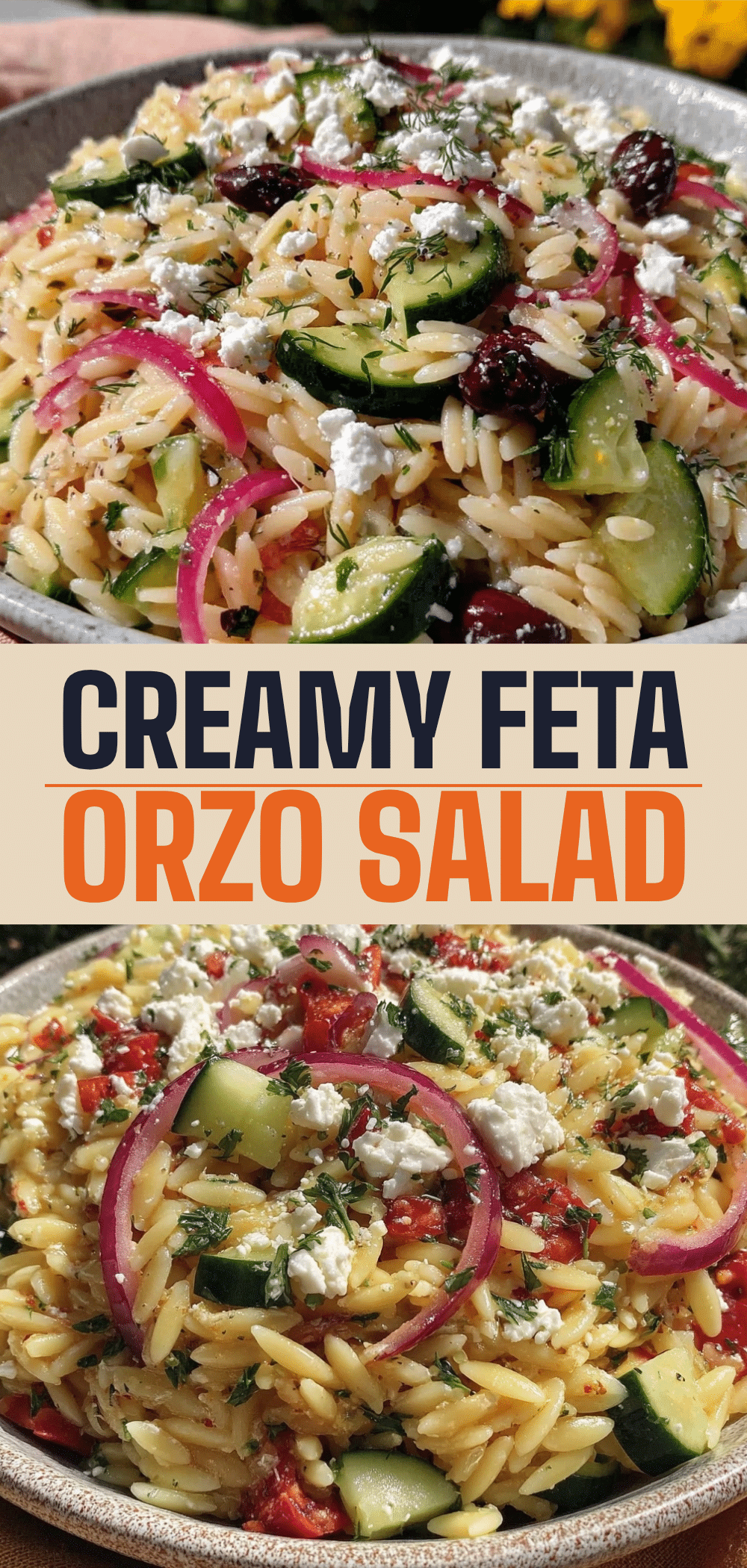
Labor Day Summer Orzo Salad: Best Feta Cucumber Recipe
- Total Time: 25 minutes
- Yield: 6 servings 1x
Description
A bright, refreshing, and make-ahead orzo salad with feta, cucumber, and dill. This light yet substantial side dish is perfect for summer BBQs and pairs beautifully with grilled meats.
Ingredients
- 8 ounces orzo pasta
- 1 large English cucumber, diced
- 6 ounces feta cheese, crumbled (block preferred)
- ½ medium red onion, finely diced
- ½ cup fresh dill, chopped
- ⅓ cup extra virgin olive oil
- 3–4 tablespoons fresh lemon juice
- 1 clove garlic, minced
- ½ cup Kalamata olives, pitted and halved (optional)
- Sea salt and black pepper, to taste
Instructions
- Bring a large pot of salted water to a boil. Add orzo and cook according to package directions (usually 8-10 minutes) until al dente.
- Drain the orzo immediately and rinse under cold water for 30 seconds to stop cooking and remove excess starch. Shake off excess water and set aside to cool completely.
- While the pasta cools, dice the cucumber and red onion. If using red onion, soak it in ice water for 10 minutes to reduce sharpness, then drain well. Chop the fresh dill and halve the olives if using.
- In a small bowl or jar, whisk together the olive oil, lemon juice, minced garlic, salt, and pepper until emulsified. Taste and adjust seasoning.
- In a large mixing bowl, combine the cooled orzo, cucumber, onion, and dill. Pour the dressing over the top.
- Add the crumbled feta and olives (if using). Toss gently but thoroughly until everything is coated.
- Cover the bowl and refrigerate for at least 30 minutes, or up to overnight, to allow flavors to meld.
- Before serving, give the salad a final toss and add a crack of fresh black pepper on top.
Notes
For best results, use block feta rather than pre-crumbled feta for better texture and flavor. Letting the salad sit in the fridge for a few hours allows the orzo to absorb the dressing and the flavors to meld. Do not freeze this salad as the cucumber will become mushy upon thawing. If the salad looks dry after chilling, stir in a splash of extra olive oil or lemon juice.
- Prep Time: 15 minutes
- Cook Time: 10 minutes
- Category: Side Dish
- Cuisine: Mediterranean
Nutrition
- Serving Size: 1 cup
- Calories: 280
- Sugar: 3
- Sodium: 450
- Fat: 14
- Saturated Fat: 5
- Carbohydrates: 32
- Fiber: 2
- Protein: 8
Keywords: orzo salad, feta cucumber salad, summer salad, labor day recipe, make ahead salad, greek salad, pasta salad, easy side dish