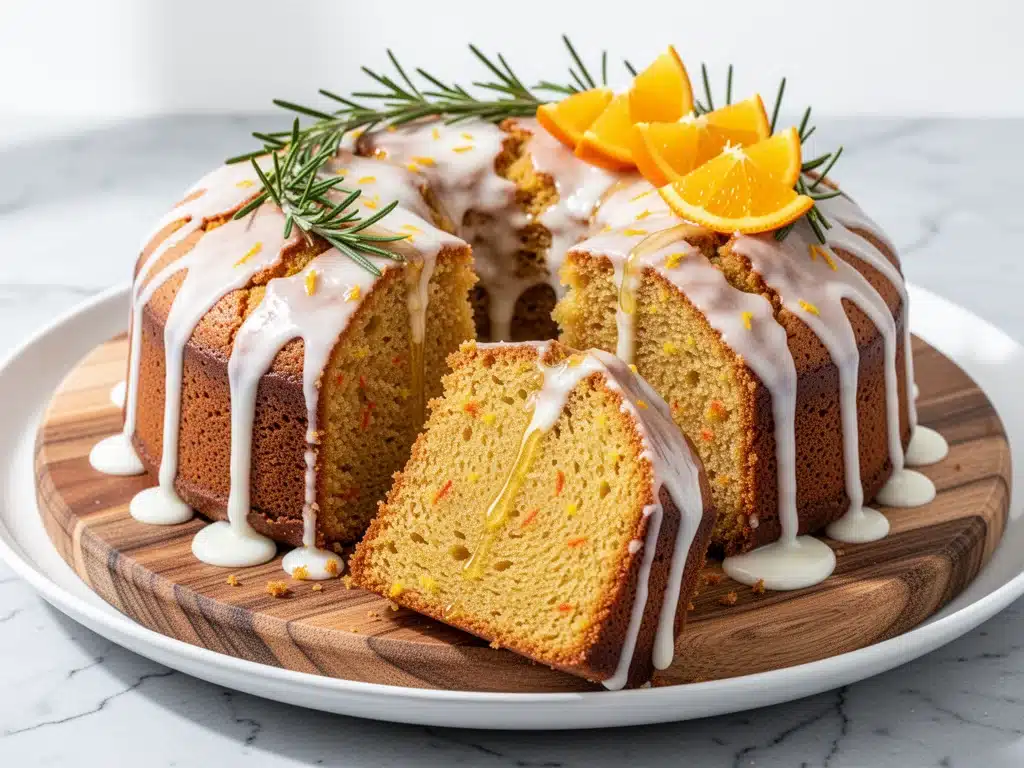
I still remember the first time I tried olive oil cake in a tiny bakery in Santorini. It was late afternoon, the sun was beating down on the white-washed walls, and I was desperate for something sweet but not heavy. I ordered a slice of orange cake, expecting it to be dry or overly greasy, because, well, that’s what you’re told about oil-based cakes. Instead, it was moist, fragrant, and somehow lighter than any butter cake I’d ever had. The orange zest cut through the richness of the oil, and the whole thing tasted like a summer vacation in a single bite.
I came home and spent the next three months trying to recreate it. My first few attempts were disasters—too dense, too oily, or just plain boring. I almost gave up until I stumbled upon a technique using Greek yogurt in the batter. Suddenly, the texture changed. It became tender, airy, and impossibly moist. Add a drizzle of honey-yogurt glaze, and you’ve got something that tastes like it came from a high-end patisserie, but requires zero fancy equipment.
That’s exactly what this Mediterranean Orange Olive Oil Cake is. It’s my go-to dessert for when I want to impress guests without spending hours in the kitchen. It’s the perfect companion to a simple salad or a light appetizer, much like how a Mediterranean shrimp skillet serves as an elegant yet easy main course. This cake is forgiving, delicious, and honestly, it’s become a staple in my house. I’ve made it for brunches, dinner parties, and just because it was a Tuesday. Every single time, people ask for the recipe.
Why You’ll Love This Recipe
There are plenty of cakes out there, but this one has a few tricks up its sleeve that make it stand out from the crowd. Here’s why it’s earned a permanent spot in my weekly rotation:
- One-Bowl Wonder — Seriously, you don’t even need a mixer. I’ve made this while balancing a laptop on one knee. Just whisk everything together in a large bowl. No creaming butter, no sifting flour into separate bowls. It’s stupid simple.
- Actually Moist — Butter cakes can dry out if you look at them wrong. This cake stays moist for days because of the olive oil and yogurt. I’ve kept slices in the fridge for four days, and they still tasted fresh. The yogurt keeps the crumb tender without making it soggy.
- Lighter Than It Looks — Because it’s oil-based, it doesn’t feel heavy or greasy like some traditional cakes. It’s fluffy and airy. You can eat two slices and still feel ready to go for a walk. It’s perfect for those who want dessert but not the “food coma” afterward.
- Flavor That’s Actually Complex — It’s not just “sweet orange.” The olive oil adds a peppery, grassy note that pairs beautifully with the bright citrus zest. It’s sophisticated but approachable. It tastes like you spent hours making it, but it takes about 45 minutes total.
- Gluten-Free Friendly Base — While this recipe uses regular flour, the structure is so tender that it works beautifully if you swap in a 1:1 gluten-free flour blend. I’ve tested it with Bob’s Red Mill, and the texture holds up perfectly. Great for feeding mixed groups.
This is the kind of recipe that makes you look like a pro baker. It’s elegant, it’s flavorful, and it’s incredibly easy. I’ve served this to food critics and picky teenagers alike, and everyone leaves asking for seconds.
Ingredients You’ll Need
One of the best things about this Mediterranean Orange Olive Oil Cake is that the ingredient list is short. You probably have most of these in your pantry right now. I’m particular about a few specific items, though, so pay attention to the notes below.
For the Cake
Extra Virgin Olive Oil (1 cup / 240ml) — This is the star. Don’t use cheap, flavorless oil. Use a good quality, fruity extra virgin olive oil. It should smell like grass or artichokes. If the oil tastes bitter, the cake will taste bitter. I love using a Spanish or Italian oil for this.
Granulated Sugar (1 ½ cups / 300g) — Standard white sugar works best here to keep the crumb light. You can use coconut sugar, but it will make the cake denser and darker.
Eggs (3 large) — Room temperature eggs are crucial for emulsion. If you’re in a rush, just drop them in a bowl of warm water for 5 minutes. Cold eggs can cause the batter to separate.
Greek Yogurt (1 cup / 240g) — Full-fat plain Greek yogurt is non-negotiable. It adds protein and fat, which keeps the cake moist and tender. Skim yogurt will make the cake dry. I use Fage or Chobani.
Orange Zest (2 large oranges) — You need fresh orange zest. Not juice, not extract, just the zest. Use a microplane for the finest shreds. If you get any white pith, scrape it off—it’s bitter.
Orange Juice (½ cup / 120ml) — Freshly squeezed is best. Bottled juice has preservatives that can alter the flavor. If you’re desperate, you can use concentrate diluted with water, but fresh is better.
All-Purpose Flour (2 cups / 250g) — Don’t pack the flour into the cup! Spoon it into the measuring cup and level it off. Too much flour makes the cake dense. I always weigh my flour if I can, but spoon-and-level works too.
Baking Powder (2 teaspoons) — Make sure yours is fresh. Old baking powder won’t make the cake rise properly. If you’re not sure, replace it.
Salt (½ teaspoon) — Enhances the sweetness and balances the olive oil flavor. Don’t skip it.
For the Honey Yogurt Glaze

Plain Greek Yogurt (½ cup / 120g) — Same as above, full-fat.
Honey (3 tablespoons) — Use a mild honey like clover or orange blossom. Strong honey like buckwheat might overpower the orange.
Lemon Juice (1 teaspoon) — Just a splash to cut the sweetness and brighten the glaze.
Vanilla Extract (½ teaspoon) — Pure vanilla, not imitation.
Optional: More Orange Zest — For garnish. It makes it look pretty and adds a fresh aroma.
Equipment Needed
You don’t need a fancy kitchen for this. Here’s what I actually use:
9-Inch Round Cake Pan — I use a standard metal pan. Glass pans cook slower and might result in a darker crust. If you use glass, lower the oven temperature by 25°F.
Large Mixing Bowl — Something wide and deep so you don’t splash sugar everywhere. A 4-quart bowl is perfect.
Whisk — A standard balloon whisk is fine. You’re just combining ingredients, not whipping egg whites.
Microplane Grater — For the orange zest. A box grater works, but the microplane gives you finer zest that distributes better in the batter.
Cooling Rack — Essential for cooling the cake evenly. If you leave it in the pan, the bottom will get soggy.
Small Saucepan or Bowl — For mixing the glaze. You can do it in the microwave or just whisk it in a small bowl.
How to Make It: Step-by-Step
Alright, let’s make this! I’m walking you through exactly how I do it. It’s straightforward, but there are a few key moments to watch for.
Step 1: Prep Your Pan and Oven (5 minutes)
Preheat your oven to 350°F (175°C). Grease your 9-inch cake pan with a little olive oil and dust it with flour, tapping out the excess. Or, line the bottom with parchment paper for easy removal. I usually just grease and flour—it’s faster and works fine.
Step 2: Mix the Wet Ingredients (3 minutes)
In your large bowl, whisk together the olive oil and sugar. This might look weird—the oil and sugar won’t fully combine yet, and that’s okay. Add the eggs one at a time, whisking well after each addition. Then stir in the Greek yogurt, orange zest, and orange juice. The mixture should look smooth and slightly thickened.
Step 3: Add the Dry Ingredients (2 minutes)
Add the flour, baking powder, and salt to the wet mixture. Switch to a spatula and gently fold the flour in. Stop as soon as the white streaks disappear. Do not overmix! Overmixing develops gluten, and you’ll end up with a tough cake. The batter will be thick and sticky.
Step 4: Bake (35-40 minutes)
Pour the batter into the prepared pan and smooth the top. Bake for 35-40 minutes. The cake is done when a toothpick inserted into the center comes out clean or with just a few moist crumbs. The edges should be pulling away slightly from the pan. Don’t overbake it, or it’ll dry out.
Step 5: Cool Completely (1 hour)
Let the cake cool in the pan for 10 minutes, then turn it out onto a wire rack. Let it cool completely before glazing. If you glaze a warm cake, the glaze will melt and soak in, leaving you with a sticky mess. Patience is key here.
Step 6: Make the Glaze and Serve
Whisk together the Greek yogurt, honey, lemon juice, and vanilla until smooth. Drizzle it over the cooled cake. Sprinkle with a little extra orange zest if you’re feeling fancy. Slice and enjoy.
Expert Tips & Tricks
Here’s everything I’ve learned from making this dozens of times. These tips will save you from my mistakes.
Room Temperature Ingredients Matter — I can’t stress this enough. Cold eggs and yogurt can cause the batter to curdle, especially when you add the oil. Take your eggs and yogurt out of the fridge 30 minutes before you start. If you forget, the warm water trick for eggs works wonders.
Don’t Skip the Zest — The flavor of orange cake comes from the zest, not the juice. The juice adds moisture and subtle flavor, but the zest has the essential oils that make it taste like “orange.” Use two medium oranges. If you’re worried about pesticides, buy organic or wash the oranges thoroughly.
The Toothpick Test is Your Friend — Oven temperatures vary. My oven runs hot, so I check at 35 minutes. Your oven might take 40. Don’t rely solely on the timer. Look at the cake. If it’s golden brown and pulling away from the sides, it’s probably done.
Glaze Consistency — The glaze should be pourable but not watery. If it’s too thick, add a teaspoon of milk or more orange juice. If it’s too thin, add a teaspoon more yogurt. It should coat the back of a spoon but still drip off slowly.
Storage is Easy — This cake keeps well at room temperature for 2 days, covered. After that, store it in the fridge. It actually tastes better the next day as the flavors meld. Bring it to room temperature before serving for the best texture.
Variations & Substitutions
Once you’ve nailed the basic version, here’s how you can mix it up. I’ve tried all of these.
Lemon Olive Oil Cake — Swap the orange zest and juice for lemon. Use lemon juice in the glaze too. It’s brighter and more tart. Great for spring.
Blueberry Olive Oil Cake — Toss 1 cup of fresh blueberries with 1 tablespoon of flour, then gently fold them into the batter before baking. The flour prevents them from sinking. Amazing with a lemon glaze.
Almond Flour Twist — Replace ½ cup of the all-purpose flour with almond flour. It adds a nutty flavor and makes the cake even more tender. Great for a slightly lower-carb option.
Gluten-Free — Use a 1:1 gluten-free flour blend. The texture will be slightly different but still delicious. I’ve used Bob’s Red Mill and King Arthur, and both work well.
Dairy-Free — Substitute the Greek yogurt with coconut yogurt or cashew yogurt. Use maple syrup instead of honey in the glaze. The flavor will be slightly different, but still tasty.
Herb Infused — Add 1 teaspoon of chopped fresh rosemary or thyme to the batter. It sounds weird, but it pairs beautifully with orange and olive oil. Very Mediterranean.
Serving & Storage
How to Serve:
I usually serve this cake plain, with just the glaze. It’s elegant enough for a dinner party. But here are other ways I’ve enjoyed it:
- With Berries — Top with fresh strawberries or raspberries. The acidity cuts through the sweetness.
- With Whipped Cream — A dollop of lightly sweetened whipped cream adds a nice contrast.
- With Ice Cream — Serve a warm slice with vanilla bean ice cream. The warm cake melts the ice cream slightly. Heaven.
Storage Instructions:
Room Temperature: Store in an airtight container for up to 2 days. It stays moist and delicious.
Refrigerator: Store for up to 5 days. Let it come to room temperature before serving. Cold olive oil cake can be a bit firm.
Freezer: Yes, it freezes well! Wrap the cooled cake tightly in plastic wrap, then in foil. Freeze for up to 3 months. Thaw overnight in the fridge. The glaze is best added after thawing.
Pro Tip: If you’re making this ahead for a party, bake the cake a day before. Glaze it the day of. It saves you stress and tastes fresher.
Nutrition Information
I’m not a nutritionist, but here’s the breakdown if you’re tracking. This is a rich dessert, so portion control is key.
Per Serving (based on 8 slices):
- Calories: 320
- Protein: 6g
- Carbs: 42g
- Fiber: 1g
- Sugar: 24g
- Fat: 16g
- Saturated Fat: 3g
- Cholesterol: 55mg
- Sodium: 180mg
What’s Good:
It has some protein from the yogurt and eggs. It’s lower in saturated fat than butter cakes because of the olive oil. The olive oil provides healthy monounsaturated fats.
What to Know:
It’s higher in sugar due to the glaze and cake batter. If you’re watching sugar, reduce the sugar in the cake to 1 cup and skip the glaze (or use a sugar-free substitute).
My Take:
Look, this is a treat. It’s not a health food. But it’s made with real, whole ingredients—olive oil, yogurt, fruit. It’s better than a box cake mix any day. Enjoy it in moderation and savor every bite.
Final Thoughts
So that’s my Mediterranean Orange Olive Oil Cake! I’ve probably talked your ear off at this point, but when you make a recipe this often, you have a lot to say about it. This cake has saved my dessert game more times than I can count. It’s my answer to “what’s for dessert?” when I’m tired, don’t want to bake something complicated, and still want something that tastes really good.
It’s my go-to when I want to feel fancy but don’t have the energy to make a multi-layered cake. The glaze is simple, the cake is moist, and the flavor is bright and refreshing. My family loves it, and my friends always ask for the recipe.
Make it yours! Try different citrus—lemon, grapefruit, even blood orange. Add nuts or berries. The best recipes are the ones you adapt to your tastes. If you make this, drop a comment and let me know what you think! I love hearing how recipes turn out in your kitchen. And if something doesn’t work, tell me that too—I’m here to help troubleshoot.
Happy baking! And I hope your kitchen smells half as good as mine does right now.
Frequently Asked Questions
Can I use butter instead of olive oil?
You can, but it won’t be the same. Butter cakes are denser and richer. Olive oil cakes are lighter and moister. If you must use butter, melt it and use the same amount, but expect a different texture. I recommend sticking with olive oil for the authentic Mediterranean flavor.
Why did my cake sink in the middle?
Usually means it was underbaked. Check it a few minutes before the timer goes off. Also, make sure you didn’t open the oven door too early. Cold air can cause the cake to collapse. If it’s just a slight dip, it’s fine. If it’s a huge crater, you might have underbaked it.
Can I make this in a loaf pan?
Yes! Use a 9×5 inch loaf pan. Bake for 50-60 minutes. The baking time will be longer because the cake is deeper. Check with a toothpick at 50 minutes.
Can I use bottled orange juice?
You can, but fresh is so much better. Bottled juice lacks the fresh citrus oils that give the cake its bright flavor. If you’re in a pinch, it will work, but the flavor will be flatter.
How do I store leftovers?
Store in an airtight container at room temperature for 2 days. After that, refrigerate. Bring to room temperature before serving for the best texture.
Can I freeze this cake?
Yes! Wrap the cooled cake tightly in plastic wrap, then in foil. Freeze for up to 3 months. Thaw overnight in the fridge. Add the glaze after thawing.
Is this cake gluten-free?
Not as written, but you can easily make it gluten-free by using a 1:1 gluten-free flour blend. The texture will be slightly different but still delicious.
Pin This Recipe!


Mediterranean Orange Olive Oil Cake
- Total Time: 55 minutes
- Yield: 8 servings 1x
Description
A moist, airy, and flavorful one-bowl cake made with olive oil and Greek yogurt, topped with a simple honey-yogurt glaze. It is lighter than traditional butter cakes and perfect for any occasion.
Ingredients
- 1 cup extra virgin olive oil
- 1 ½ cups granulated sugar
- 3 large eggs, room temperature
- 1 cup full-fat plain Greek yogurt
- Zest of 2 large oranges
- ½ cup freshly squeezed orange juice
- 2 cups all-purpose flour
- 2 teaspoons baking powder
- ½ teaspoon salt
- ½ cup plain Greek yogurt (for glaze)
- 3 tablespoons honey
- 1 teaspoon lemon juice
- ½ teaspoon vanilla extract
- Optional: Extra orange zest for garnish
Instructions
- Preheat oven to 350°F (175°C). Grease a 9-inch round cake pan with olive oil and dust with flour, or line the bottom with parchment paper.
- In a large mixing bowl, whisk together the olive oil and sugar.
- Add eggs one at a time, whisking well after each addition.
- Stir in the Greek yogurt, orange zest, and orange juice until the mixture is smooth and slightly thickened.
- Add the flour, baking powder, and salt. Switch to a spatula and gently fold the dry ingredients into the wet mixture until just combined. Do not overmix.
- Pour the batter into the prepared pan and smooth the top.
- Bake for 35-40 minutes, or until a toothpick inserted into the center comes out clean or with a few moist crumbs.
- Let the cake cool in the pan for 10 minutes, then turn it out onto a wire rack to cool completely.
- While the cake cools, whisk together the glaze ingredients: ½ cup Greek yogurt, honey, lemon juice, and vanilla extract.
- Once the cake is completely cool, drizzle the glaze over the top and sprinkle with extra orange zest if desired.
Notes
Ensure ingredients are at room temperature to prevent the batter from curdling. Use fresh orange zest for the best flavor. The cake stays moist for days when stored properly. For a gluten-free version, substitute all-purpose flour with a 1:1 gluten-free flour blend.
- Prep Time: 15 minutes
- Cook Time: 40 minutes
- Category: Dessert
- Cuisine: Mediterranean
Nutrition
- Serving Size: 1 slice
- Calories: 320
- Sugar: 24
- Sodium: 180
- Fat: 16
- Saturated Fat: 3
- Carbohydrates: 42
- Fiber: 1
- Protein: 6
Keywords: olive oil cake, orange cake, gluten-free friendly, one bowl recipe, healthy dessert, Mediterranean baking, yogurt cake


