For years, I walked past the gluten-free section in the bakery aisle like it was a trap. You know the one. It’s usually tucked away in the back, next to the expired crackers, filled with bars that look like they were pressed from stone and taste like cardboard. I’d grab one out of pity, take a bite, and immediately regret my life choices. They were dry. Crumbly. Sweet in a fake, artificial way that lingered on your tongue like a bad memory.
Then came the diagnosis. My doctor told me my gut was screaming for a break from gluten. I was fine with giving up bread and pizza (mostly), but giving up dessert? That felt like a life sentence. I spent months trying to recreate my favorite bakery treats using generic gluten-free flour blends. The results? Disaster. Some were gummy. Some fell apart before they hit the plate. I was ready to just eat fruit and accept my fate as a bland, dessert-free human.
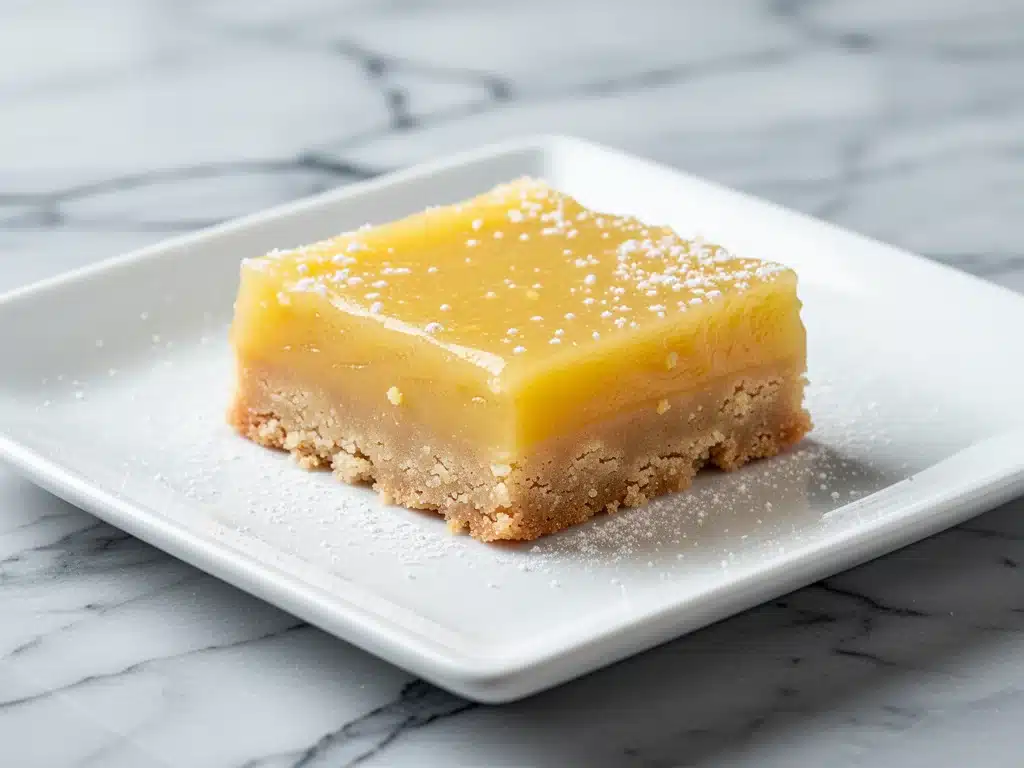
That changed last spring. My neighbor, who has been gluten-free for a decade, handed me a Tupperware container of these lemon bars. She said, “Just try one. If you don’t like them, I’ll buy you a new car.” I took a bite. And then another. The shortbread crust was buttery and rich, with a nutty depth that regular flour just can’t match. The lemon filling was tart, bright, and set perfectly—no runny centers, no rubbery texture. It was the real deal. Better than the bakery. Better than the ones I used to buy.
I asked for the recipe immediately. She shared her method, which relies on almond flour instead of that weird, gritty rice flour blend. I’ve tested this gluten-free lemon bars with almond flour shortbread recipe over twenty times since then. I’ve tweaked the sweetness, adjusted the baking time, and even argued with my husband about whether the zest-to-juice ratio is perfect (spoiler: it is). Now, these bars are a staple in our kitchen. They’re the reason my kids ask for “that tangy lemon cake” instead of candy. They’re the reason I don’t dread grocery shopping anymore. And honestly? They’re the reason I finally stopped feeling left out at potlucks.
If you’ve been avoiding gluten-free baking because you think it’s complicated or disappointing, stop. This is the recipe that changed my mind. It’s simple, it’s forgiving, and it tastes like a sunny day in July. Let’s get baking.
Why You’ll Love This Gluten-Free Lemon Bars Recipe
There are plenty of dessert recipes out there, but this one hits a specific sweet spot that most gluten-free bakers miss. It’s not just “safe”; it’s genuinely delicious. Here’s why these bars have earned a permanent spot in my rotation, and why I think they’ll earn one in yours too.
The Crust Is Actually Good — Most gluten-free crusts crumble into dust. This almond flour shortbread crust holds together beautifully. It’s tender, slightly crisp at the edges, and has a rich, buttery flavor that stands up to the tart filling. I’ve made this crust for other desserts too, like my homemade churro cheesecake bars, and it always gets compliments. It’s versatile, sturdy, and just plain tasty.
No Weird Flours Required — You don’t need a bag of sorghum flour, a cup of xanthan gum, or a degree in food science. The base is almond flour and butter. That’s it. If you can find almond flour at your local grocery store (or Amazon), you’re good to go. It’s naturally gluten-free, so you don’t have to worry about cross-contamination or hidden wheat.
Bright and Not Too Sweet — Store-bought lemon bars are often cloyingly sweet, masking the lemon flavor under a mountain of sugar. This recipe balances the tartness of fresh lemon juice with just enough sugar to make it palatable. The result is a bar that tastes like lemon, not like sugar. It’s refreshing, especially in the summer.
Make-Ahead Friendly — These bars actually get better after sitting in the fridge for a day or two. The flavors meld, and the texture sets up perfectly. I often make them on Sunday for a mid-week treat, or the night before a dinner party. They hold up well in the fridge for up to a week, which is a lifesaver when life gets busy.
Family-Approved — I’ve served these to gluten-eating friends who swear they can’t tell the difference. I’ve served them to my picky 8-year-old, who usually turns his nose up at “healthy” food. He loved them. That’s the ultimate test. If the kids ask for seconds, you know you’ve won.
This isn’t just a dietary substitute. It’s a great lemon bar, period. And once you taste it, you’ll understand why I stopped buying the store-bought kind forever.
Ingredients You’ll Need
One of the best things about this gluten-free lemon bars with almond flour shortbread is how simple the ingredient list is. You probably already have most of it in your pantry. I’m particular about a few things here, so let’s break down exactly what you need and why.
For the Shortbread Crust
Almond Flour (1 ½ cups / 150g) — This is the star. Make sure you use blanched almond flour (the fine, white kind), not almond meal (which has skins in it). The texture is completely different. I buy mine from Bob’s Red Mill or Store Brand, but check that it’s finely ground. Coarse almond flour will make the crust gritty.
Unsalted Butter (½ cup / 113g, softened) — Softened is key. You want to be able to press it into the flour easily. If your butter is too cold, the crust won’t bind. If it’s melted, it’ll be greasy. Room temperature is the sweet spot.
Granulated Sugar (¼ cup / 50g) — Just a little bit in the crust to bring out the nutty flavor of the almonds and help it brown. Don’t skip it, but don’t add more, or the crust will spread too much.
Salt (¼ teaspoon) — Essential for balancing the sweetness. Use fine sea salt.
For the Lemon Filling
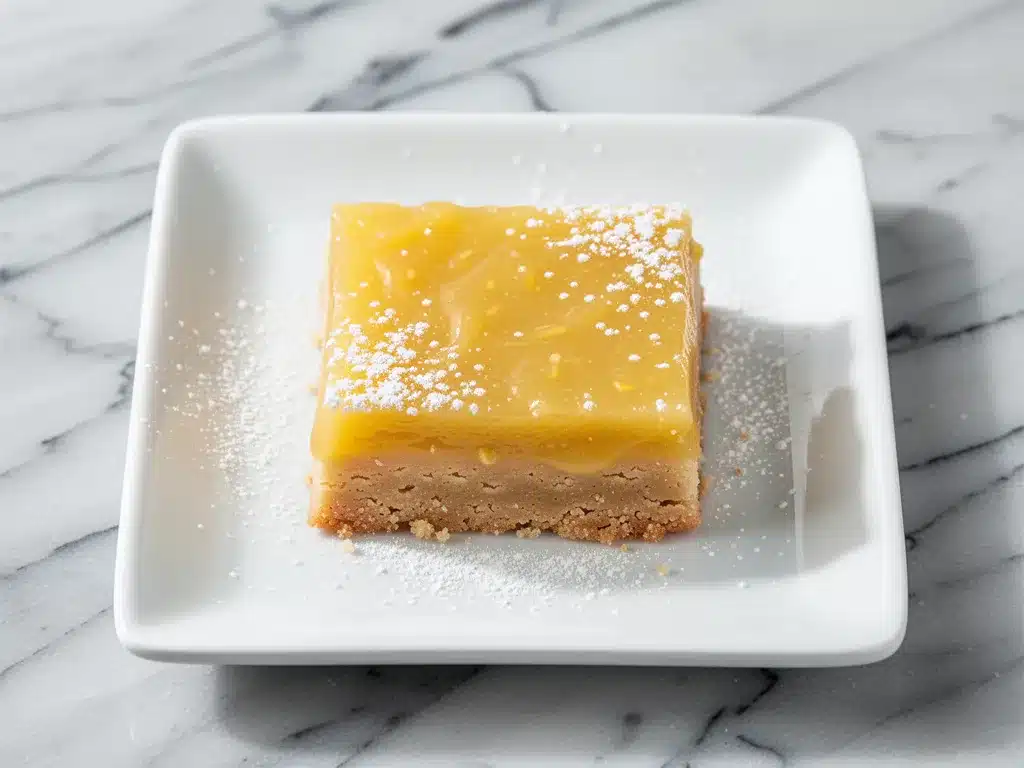
Granulated Sugar (1 ½ cups / 300g) — Yes, that’s a lot of sugar. But remember, you’re balancing tart lemon juice. This amount gives you the right sweet-tart ratio. If you’re sensitive to sweetness, you can reduce it to 1 ¼ cups, but the bars might be too sour for kids.
Fresh Lemon Juice (⅓ cup / 80ml) — Must be fresh. Bottled lemon juice tastes metallic and flat. Squeeze 3-4 large lemons. I keep a citrus squeezer on my counter for this. If you can’t get enough juice from 3 lemons, grab a fourth. Don’t compromise.
Large Eggs (3 large) — These provide structure and richness. Room temperature eggs blend more smoothly into the filling. If you’re in a rush, just place them in a bowl of warm water for 5 minutes.
Lemon Zest (2 tablespoons) — The oils in the zest are where the real lemon flavor lives. Use a microplane or fine grater. Make sure you’re only getting the yellow part, not the white pith, which is bitter.
All-Purpose Gluten-Free Flour Blend (¼ cup / 30g) — This is the secret weapon. A small amount of gluten-free flour (like King Arthur Measure for Measure or Bob’s Red Mill 1-to-1) helps the filling set properly so it’s not runny. It doesn’t add gluten; it just provides structure. Don’t skip this, or you’ll end up with lemon soup.
Xanthan Gum (½ teaspoon, optional) — Check your gluten-free flour blend. If it already contains xanthan gum (most do), skip this. If it doesn’t, add it to help the filling bind. It’s a tiny amount, so don’t overdo it, or the bars will taste gummy.
For the Dusting
Confectioners’ Sugar (for dusting) — This is optional but highly recommended. It adds a pretty finish and a touch of extra sweetness. Sift it lightly over the cooled bars.
Equipment Needed
You don’t need fancy gadgets for this. Here’s what I actually use when I make these bars. Keep it simple.
8×8 Inch Baking Pan — This is the standard size. You can use 9×9, but the bars will be thinner and harder to cut. For a thick, shortbread-heavy bar, 8×8 is perfect. Line it with parchment paper leaving an overhang on the sides. This makes lifting the bars out of the pan super easy. I hate scraping bars out of a pan.
Mixing Bowls — Two medium bowls. One for the crust, one for the filling. I prefer glass or ceramic so I can see what’s happening.
Fork or Pastry Cutter — For mixing the crust. A fork works fine. You’re just rubbing the butter into the flour until it looks like coarse sand.
Whisk — Essential for the filling. You need to blend the sugar, eggs, and lemon juice until it’s smooth. A whisk works better than a spoon here. No lumps allowed.
Zester or Microplane — For the lemon zest. A regular grater works, but a microplane gives you finer zest that distributes better. I love my microplane; it’s one of the few kitchen tools I won’t live without.
Cooling Rack — You need to cool the bars completely before cutting. If you cut them warm, they’ll fall apart. A wire rack allows air to circulate underneath.
Knife — A sharp chef’s knife or a pizza cutter for slicing. I use a pizza cutter for clean cuts without dragging the crust.
How to Make It: Step-by-Step
Alright, let’s make these gluten-free lemon bars with almond flour shortbread. I’m walking you through exactly how I do it, including the little tricks I’ve picked up over the years.
Step 1: Prep Your Pan and Oven (5 minutes)
Preheat your oven to 350°F (175°C). Line your 8×8 inch baking pan with parchment paper. Leave a little overhang on the long sides—this is your handle for lifting the bars out later. Spray the parchment lightly with non-stick spray. This ensures the crust doesn’t stick, even though it’s buttery.
Step 2: Make the Crust (5 minutes)
In a medium bowl, combine the almond flour, ¼ cup sugar, and salt. Add the softened butter. Use a fork or your fingers to mix until the mixture looks like coarse sand and holds together when you squeeze it. There should be no large chunks of butter left.
Press this mixture firmly and evenly into the bottom of your prepared pan. Use the bottom of a measuring cup to pack it down tightly. You want a solid, even layer. Don’t worry about the edges being perfect; they’ll bake up fine.
Step 3: Blind Bake the Crust (15-18 minutes)
Place the pan in the preheated oven and bake for 15-18 minutes. The crust should be lightly golden brown around the edges and set. It won’t look fully cooked in the center yet, and that’s okay. Remove from the oven and let it cool on a rack while you make the filling. Leave the oven on.
Step 4: Make the Filling (5 minutes)
In a separate bowl, whisk together the 1 ½ cups sugar and the gluten-free flour blend (and xanthan gum if using). This helps prevent lumps. Add the eggs one at a time, whisking well after each addition. Whisk in the fresh lemon juice and lemon zest until the mixture is smooth and bright yellow. It should look like thick lemonade.
Pro Tip: Taste the filling now. If it’s too sour for your liking, add a teaspoon more sugar. If it’s too sweet, add a splash more lemon juice. This is your chance to adjust before it’s in the oven.
Step 5: Assemble and Bake (20-25 minutes)
Pour the lemon filling over the partially baked crust. Spread it out evenly with a spatula. Return the pan to the oven and bake for 20-25 minutes. The filling is done when the edges are set and slightly jiggly in the center, but not watery. It should look like a firm custard. A toothpick inserted into the center should come out clean or with just a few moist crumbs.
Watch Closely: Ovens vary. Check at 20 minutes. If the top is browning too quickly, tent it loosely with aluminum foil.
Step 6: Cool Completely (At least 2 hours)
This is the hardest part. Let the bars cool in the pan on a wire rack for at least 2 hours, or until completely room temperature. If you cut them while warm, the filling will ooze out and the crust will crumble. Patience pays off. For best results, chill them in the fridge for 4 hours or overnight. This sets the texture perfectly.
Step 7: Slice and Serve
Once cool, lift the bars out of the pan using the parchment paper overhang. Place on a cutting board. Use a sharp knife or pizza cutter to slice into squares. Dust lightly with confectioners’ sugar if you want that bakery look. Enjoy!
Expert Tips & Tricks
Here’s everything I’ve learned from making these dozens of times. These tips will save you from my mistakes.
Don’t Skimp on the Chill Time — I know you want to eat them now. But if you cut them warm, they’ll be a mess. The filling needs time to set. I usually make them the night before. They taste better cold anyway.
Use Room Temperature Eggs — Cold eggs can cause the filling to curdle slightly when mixed with the sugar. Let them sit out for 20 minutes before you start. It makes a smoother batter.
Sift the Confectioners’ Sugar — If you dust the bars, sift the sugar first. Otherwise, you’ll get clumps of white powder that look messy. A fine-mesh sieve works great for this.
Check Your Almond Flour — Make sure it’s blanched and finely ground. If it’s coarse, the crust will be sandy. If you buy almond meal by mistake, the texture will be off. I’ve made this mistake before, and the bars were gritty. Not pretty.
Store Properly — These bars need to be refrigerated because of the eggs and lemon juice. Store them in an airtight container with parchment paper between layers. They’ll last up to 5 days in the fridge.
Freezing Warning — You can freeze these bars, but the texture might change slightly. The almond flour crust can become a bit crumbly after thawing. If you freeze them, wrap tightly in plastic wrap and foil. Thaw in the fridge overnight. They’re still good, just not quite as perfect as fresh.
Variations & Substitutions
Once you’ve nailed the basic version, here’s how you can mix it up. I’ve tried all of these.
Blueberry Lemon Bars — Add 1 cup of fresh or frozen blueberries to the crust before baking. The berries burst in the oven and create a beautiful swirl of purple and yellow. My kids love this variation.
Meyer Lemon Bars — If you can find Meyer lemons (they’re sweeter and more floral), use them instead of regular lemons. You might need a little less sugar since Meyer lemons are less tart. It’s a luxurious twist.
Coconut Flour Crust — If you’re avoiding nuts, you can substitute the almond flour with coconut flour. Use ½ cup coconut flour instead of 1 ½ cups almond flour, and add an extra ¼ cup of butter. The crust will be denser, but still delicious.
Gluten-Free Oat Crust — For a heartier texture, use 1 cup gluten-free rolled oats blended into flour. Mix with ½ cup almond flour and the usual butter and sugar. It adds a nice chew.
Lower Sugar Version — Reduce the sugar in the filling to 1 cup. The bars will be more tart. I recommend this if you’re watching your sugar intake, but note that the texture might be slightly softer.
Serving & Storage
How to Serve: — I usually serve these straight from the fridge. They’re best cold, with a crisp crust and firm filling. Pair them with a cup of tea or coffee. They’re also great with a dollop of whipped cream if you’re feeling fancy. I’ve served them alongside my mediterranean orange olive oil cake for brunch, and the citrus flavors complement each other beautifully.
Side Dishes: — These bars are a dessert, so they stand alone. But if you’re making a spread, they pair well with fresh fruit or a light salad. Avoid heavy, rich desserts like fudgy sea salt caramel brownies right after, unless you have a huge sweet tooth!
Storage Instructions:
Refrigerator: — Store in an airtight container for up to 5 days. Place parchment paper between layers to prevent sticking. They get firmer in the fridge, which is ideal for cutting.
Freezing: — Wrap individual bars or the whole slab tightly in plastic wrap and foil. Freeze for up to 3 months. Thaw in the fridge overnight. Note: The texture may be slightly crumbly after thawing.
Reheating: — Don’t reheat these. They’re best cold or room temperature. Heating them will make the filling runny and the crust soft.
Nutrition Information
I’m not a nutritionist, but here’s the breakdown if you’re tracking. Keep in mind that almond flour is higher in calories than regular flour, but it’s also higher in healthy fats and protein.
Per Serving (based on 16 bars):
– Calories: 180
– Protein: 4g
– Carbs: 18g
– Fiber: 1g
– Sugar: 15g
– Fat: 12g
– Saturated Fat: 5g
– Cholesterol: 40mg
– Sodium: 60mg
What’s Good: — Decent amount of protein from the eggs and almonds. No gluten. The lemon provides vitamin C.
What to Know: — Higher in calories and fat due to the almond flour and butter. Contains nuts. If you’re nut-free, use the coconut flour variation.
My Take: — Look, this is a dessert. It has sugar and butter. It’s not a health food. But it’s made with real ingredients, no weird additives, and it’s safe for gluten-free diets. When I want to make it lighter, I use the lower sugar version and enjoy a smaller piece. But usually? I just eat two and enjoy them.
Final Thoughts
So that’s my go-to gluten-free lemon bars with almond flour shortbread! I’ve probably talked your ear off at this point, but when you make a recipe this often, you have a lot to say about it.
This has saved my dessert game since I went gluten-free. It’s my answer to “what’s for dessert?” when I want something special but safe. My kids are happy, my gluten-eating friends are happy, and I’m happy because I’m not stressed about cross-contamination.
Make it yours! Try different variations, adjust the sweetness, or add berries. The best recipes are the ones you adapt to your family’s tastes. If you make this, drop a comment and let me know what you think! I love hearing how recipes turn out in your kitchen. And if something doesn’t work, tell me that too—I’m here to help troubleshoot.
Happy baking! And I hope your kitchen smells half as good as mine does right now.
Frequently Asked Questions
Q: Can I use almond meal instead of almond flour?
A: You can, but the texture will be different. Almond meal has skins in it, so the crust will be darker and grittier. If you use almond meal, sift it first to remove some of the skins. The bars will still taste good, but they won’t look as pretty.
Q: Why did my filling turn out runny?
A: This usually happens if you didn’t bake them long enough, or if you didn’t use the gluten-free flour blend. The filling needs the flour (and xanthan gum if needed) to set. Also, make sure you’re cooling them completely. Warm filling is always runny.
Q: Can I make these in a 9×9 pan?
A: Yes, but the bars will be thinner. You’ll need to reduce the baking time by about 5 minutes. Keep an eye on them so they don’t overbake. I prefer 8×8 for a thicker crust, but 9×9 works in a pinch.
Q: Do I need to use xanthan gum?
A: Check your gluten-free flour blend. Most all-purpose blends already contain xanthan gum. If yours does, skip the extra addition. If it’s a single-ingredient flour (like rice flour), you’ll need to add it for structure.
Q: Can I freeze the crust before adding the filling?
A: Yes! You can bake the crust, let it cool, wrap it tightly, and freeze it for up to a month. Thaw it in the fridge before adding the filling. This is great for meal prep.
Q: Why are my bars too sour?
A: You might have used very tart lemons, or not enough sugar. Lemon juice varies in acidity depending on the fruit. Taste your filling before baking and adjust the sugar if needed. If they’re already baked, you can dust them with extra confectioners’ sugar.
Q: Can I use bottled lemon juice?
A: I don’t recommend it. Bottled lemon juice has preservatives that can affect the taste and texture. Fresh lemon juice is bright and clean. It’s worth the extra 2 minutes to squeeze them yourself.
Pin This Recipe!
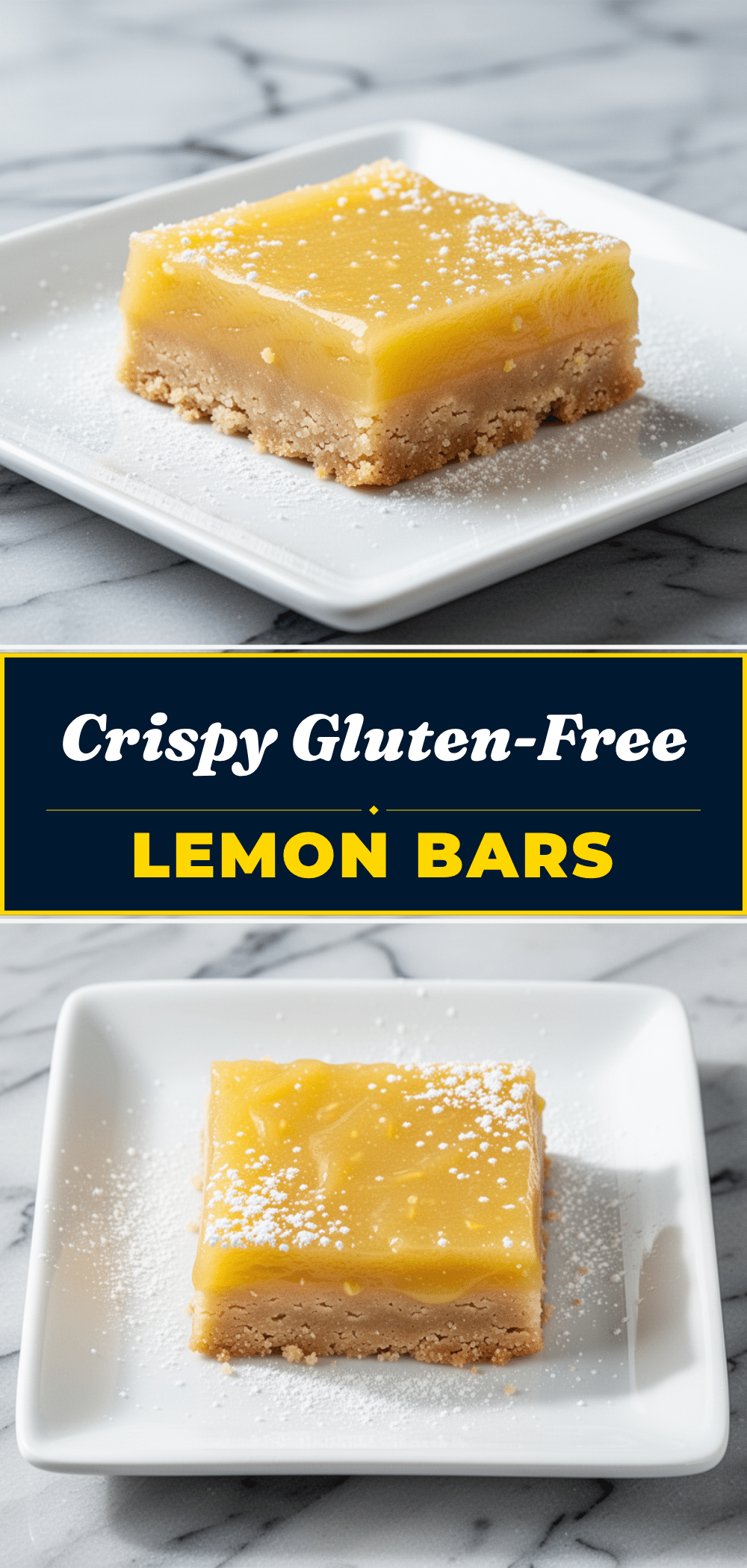
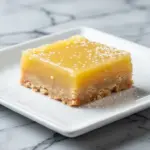
Gluten-Free Lemon Bars: Easy Almond Flour Shortbread
- Total Time: 55 minutes
- Yield: 16 servings 1x
Description
These gluten-free lemon bars feature a buttery almond flour shortbread crust and a bright, tart lemon filling. They are naturally gluten-free, make-ahead friendly, and taste better than traditional bakery versions.
Ingredients
- 1 ½ cups blanched almond flour
- ¼ cup granulated sugar
- ¼ teaspoon fine sea salt
- ½ cup unsalted butter, softened
- 1 ½ cups granulated sugar
- ⅓ cup fresh lemon juice
- 3 large eggs, room temperature
- 2 tablespoons lemon zest
- ¼ cup all-purpose gluten-free flour blend
- ½ teaspoon xanthan gum (optional, if GF blend doesn’t contain it)
- Confectioners’ sugar, for dusting
Instructions
- Preheat oven to 350°F (175°C). Line an 8×8 inch baking pan with parchment paper, leaving an overhang on the long sides, and spray lightly with non-stick spray.
- In a medium bowl, combine almond flour, ¼ cup sugar, and salt. Add softened butter and mix with a fork or fingers until the mixture resembles coarse sand and holds together when squeezed.
- Press the crust mixture firmly and evenly into the bottom of the prepared pan. Bake for 15-18 minutes until lightly golden brown around the edges. Remove and let cool while making the filling.
- In a separate bowl, whisk together 1 ½ cups sugar and the gluten-free flour blend (and xanthan gum if using). Add eggs one at a time, whisking well after each addition. Whisk in lemon juice and zest until smooth.
- Pour the lemon filling over the partially baked crust. Bake for 20-25 minutes until the edges are set and the center is slightly jiggly but not watery. A toothpick inserted in the center should come out clean.
- Cool the bars completely in the pan on a wire rack for at least 2 hours, or until room temperature. For best results, chill in the fridge for 4 hours or overnight.
- Lift the bars out of the pan using the parchment overhang. Slice into squares and dust lightly with confectioners’ sugar before serving.
Notes
Use blanched almond flour for a fine texture; almond meal will make the crust gritty. Ensure eggs are at room temperature to prevent curdling. The bars must cool completely before cutting to set properly. Store in an airtight container in the refrigerator for up to 5 days. Do not reheat, as the filling will become runny.
- Prep Time: 15 minutes
- Cook Time: 40 minutes
- Category: Dessert
- Cuisine: American
Nutrition
- Serving Size: 1 bar
- Calories: 180
- Sugar: 15
- Sodium: 60
- Fat: 12
- Saturated Fat: 5
- Carbohydrates: 18
- Fiber: 1
- Protein: 4
Keywords: gluten-free, lemon bars, almond flour, shortbread, dessert, baking, gluten-free baking, easy dessert