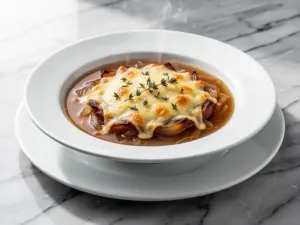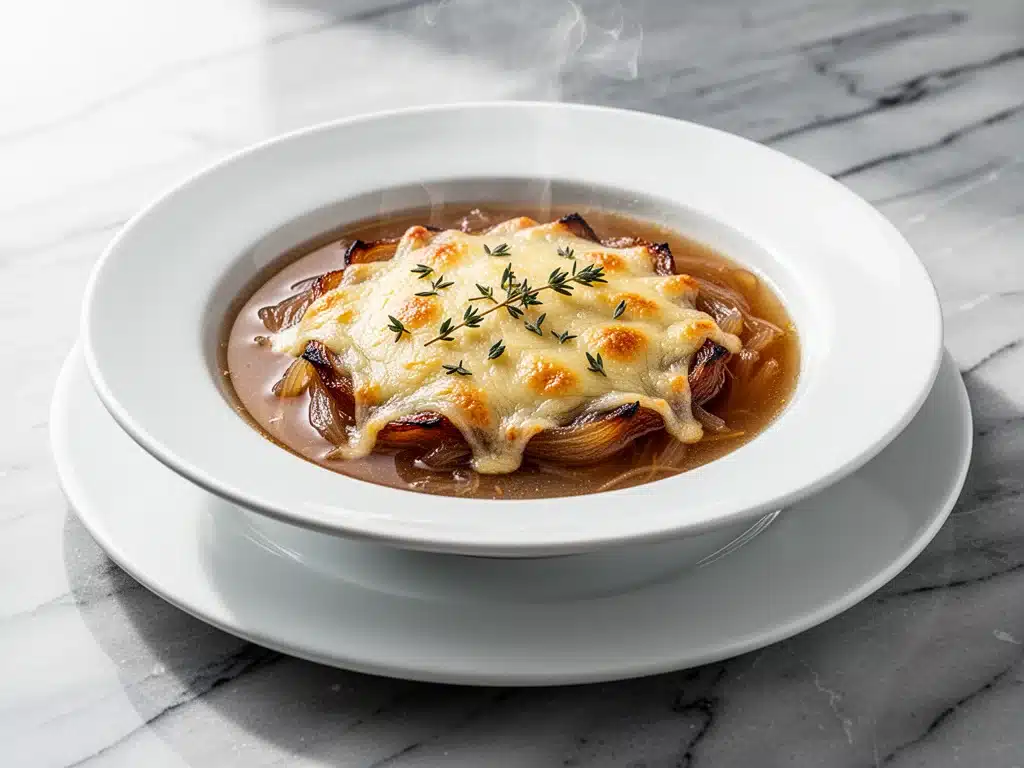
There is a specific kind of silence that falls over a house when the wind is howling outside and the only thing standing between you and the cold is a wall of drywall and a pot on the stove. I learned to love that silence, and the smell that comes with it, during a particularly brutal winter in Chicago a few years ago. The power had been out for three days, the pipes were groaning, and I was sitting on my kitchen floor, wrapped in every blanket I owned, trying to figure out how to make dinner with a gas stove I didn’t know how to fix.
So I did the only thing I could. I pulled out a massive cast-iron Dutch oven, dumped in four pounds of sliced yellow onions, a stick of butter, and a pinch of salt. I lit the stove with a match, turned the burner to low, and just… waited. I watched the onions go from crisp and white to soft and translucent, then to a deep, golden brown, and finally to a dark, jammy caramel that smelled like heaven and sadness all at once. By the time I ladled the beef broth over them and topped it with a piece of toasted baguette and melted Gruyère, I felt warm again. Not just physically, but emotionally. That bowl of soup felt like a hug from someone who understood that winter is hard, but you can survive it.
That was the moment I fell in love with classic French onion soup. It’s not just a recipe; it’s a ritual. It’s the art of patience in a world that demands instant gratification. Most people think French onion soup is complicated because of the fancy cheese topping or the restaurant-style presentation. But the truth? The secret is just time. You have to let the onions cook until they surrender completely. It’s slow, it’s messy, and it’s absolutely worth every minute.
I’ve made this soup dozens of times since that freezing week in January. I’ve tried different onions, different broths, different cheeses. I’ve even tried shortcuts (and regretted them every single time). This version is the one that sticks. It’s rich, deeply savory, and has that perfect balance of sweet caramelized onions and sharp, salty broth. It’s the ultimate comfort food for those long winter evenings when you just want to curl up with a book and forget about the world for a while. If you’re looking for something that feels like a five-star restaurant meal but tastes like home, this is it. And trust me, once you master the caramelization, you’ll never buy canned soup again.
Why You’ll Love This Recipe
There are a lot of soup recipes out there, but this classic French onion soup with caramelized onions holds a special place in my kitchen rotation. It’s not just because it’s delicious—though it definitely is—it’s because it solves a few major problems I have when cooking in the winter.
It Turns “Cooking Time” into “Me Time”
Let’s be honest: chopping onions is tedious. But once they’re in the pot, you don’t have to do much. You just stir occasionally. I use this time to catch up on emails, read a chapter of a book, or just decompress after work. It’s active enough to keep me from zoning out, but passive enough to let my brain rest. It’s the perfect “hands-off” dinner prep.
It Uses Cheap, Accessible Ingredients
You don’t need fancy cuts of meat or exotic spices. You need onions, butter, flour, broth, and cheese. These are pantry staples. I keep a bag of yellow onions and a carton of beef broth in my fridge at all times specifically for this soup. It’s budget-friendly but feels incredibly luxurious. It’s the kind of meal that makes you feel like a gourmet chef without breaking the bank.
It’s Better Than Takeout
I’ve ordered French onion soup from fancy bistros where it cost $18 and came with a sad, thin slice of bread. This version? It’s loaded with onion-to-broth ratio that’s actually substantial. The cheese pull is real. The flavor is deeper. When I make this, my family stops asking for pizza. They ask for seconds. And if you pair it with my garlic herb focaccia, you don’t even need bread to dip—it’s already right there on the table.
It Freezes Like a Dream (Sort Of)
While the bread and cheese don’t freeze well, the soup base itself is fantastic frozen. I often make a double batch on Sunday. I freeze the onion-broth mixture in portions. Then, when Wednesday night hits and I’m too tired to cook, I just thaw, reheat, toast a slice of bread, add cheese, and broil. It’s a 15-minute meal that tastes like I spent three hours on it.
It’s Naturally Gluten-Free (If You Want)
The base is naturally gluten-free. You just need to swap the flour (or skip it) and use gluten-free bread. I love that it’s adaptable to so many dietary needs without losing its soul. Whether you’re vegan, gluten-free, or just trying to eat less meat, this soup works. (Though, full disclosure, the beef broth version is non-negotiable for the authentic taste in my book.)
Ingredients You’ll Need
Before we dive into the slow process of caramelizing, let’s talk about what you actually need. This recipe looks simple, but the quality of your ingredients matters more here than in most other dishes. You can’t hide bad butter behind garlic or hide stale bread under cheese. Everything has a voice.
The Onions (The Star)
**Yellow Onions** (4 large, about 3-4 pounds) — I’m a yellow onion purist. They have the right balance of sugar and sulfur that breaks down into this incredible sweetness. Vidalia onions are great if you’re in season, but they’re sweeter, so you might need a bit more time. White onions are too sharp and watery. Red onions? Save them for salads. You want yellow. Peel them, halve them, and slice them into half-moons. Uniform slices cook evenly.
The Fat (The Flavor Carrier)
**Unsalted Butter** (4 tablespoons) — Yes, that’s a lot of butter. But it’s necessary for that rich, velvety mouthfeel. I use European-style butter if I have it (like Kerrygold) because it has a higher fat content and a deeper flavor. If you’re dairy-free, you can use a high-quality olive oil or vegan butter, but the texture won’t be quite as luxurious.
The Thickener & Flavor Builder
**All-Purpose Flour** (2 tablespoons) — This is the old-school restaurant trick. A little flour cooks with the butter and onions to create a roux-like effect that thickens the broth slightly and helps the flavors cling to the onion. Don’t skip it unless you’re going strict gluten-free. If you are gluten-free, you can skip this or use a gluten-free blend, but the soup will be thinner.
The Liquid (The Soul)
**Beef Broth** (6-8 cups) — This is where you spend your money. Do not use the cheap, watery stuff from the bottom shelf. Look for a low-sodium, high-quality beef broth. I love the ones in the cartons, but bone broth is even better for that deep, collagen-rich flavor. If you want a vegetarian version, use a robust mushroom or vegetable broth, but know that the flavor profile will shift from “hearty” to “earthy.”
The Sweetness & Depth
**Sugar** (1 teaspoon) — Just a teaspoon. This isn’t a dessert. It helps accelerate the caramelization and balances the acidity of the broth.
**Dry White Wine** (½ cup) — Optional, but highly recommended. A Sauvignon Blanc or Pinot Grigio works well. It deglazes the pan and adds a brightness that cuts through the richness. If you don’t drink alcohol, you can substitute with more broth and a splash of balsamic vinegar for acidity.
The Seasoning
**Salt & Black Pepper** — Kosher salt is best because you can control the seasoning. Freshly cracked black pepper adds a nice bite.
**Thyme** (2 sprigs fresh, or 1 teaspoon dried) — Fresh thyme is classic. Tie the sprigs with kitchen twine so you can fish them out later. Dried works in a pinch, but fresh is better.
The Topping (The Grand Finale)
**Baguette** (1 small loaf, sliced) — You need crusty bread. Thick slices, about half an inch. It needs to hold up to the hot broth without turning into mush immediately.
**Gruyère Cheese** (2 cups, grated) — Gruyère is the traditional cheese for a reason. It melts beautifully and has a nutty, salty flavor that pairs perfectly with onions. You can mix in some Swiss cheese or even provolone if you’re on a budget, but Gruyère is the gold standard.
**Parmesan** (½ cup, grated) — I often mix this with the Gruyère for an extra salty punch.
Equipment Needed
You don’t need a fancy kitchen to make this, but you do need the right tools. Here’s what I actually use and why.
Dutch Oven (6-quart or larger)
This is non-negotiable. You need heavy-bottomed heat distribution so the onions don’t burn in spots. I use a Le Creuset, but any enameled cast iron works. If you don’t have one, a heavy stainless steel pot is fine, but watch the heat closely. Ceramic pots are risky—they can crack with thermal shock.
Sharp Chef’s Knife
Slicing 4 pounds of onions takes time, and a dull knife will make you cry faster. Sharpen your knife. It’s safer and faster. If you’re lazy, you can use a food processor with the slicing blade, but hand-slicing gives you better control over the texture.
Wooden Spoon or Heat-Resistant Spatula
You’ll be scraping the bottom of the pot a lot. A wooden spoon won’t scratch your pot (if it’s enameled) and handles the heat well. Silicone is fine too. Avoid plastic.
Broiler-Safe Bowls or Ladles
If you want the traditional individual bowl presentation, you need oven-safe crocks or heavy ceramic bowls. If you’re serving family-style, just ladle it into heat-safe mugs. Make sure whatever you use can go under the broiler without cracking.
Grater
Box grater or microplane. Grate your cheese yourself. Pre-shredded cheese has anti-caking agents that prevent it from melting smoothly. You want that gooey, stretchy cheese pull, not clumpy bits.
Measuring Cups and Spoons
Standard stuff. No need to be precise with the broth, but measure the flour and sugar.
How to Make It: Step-by-Step
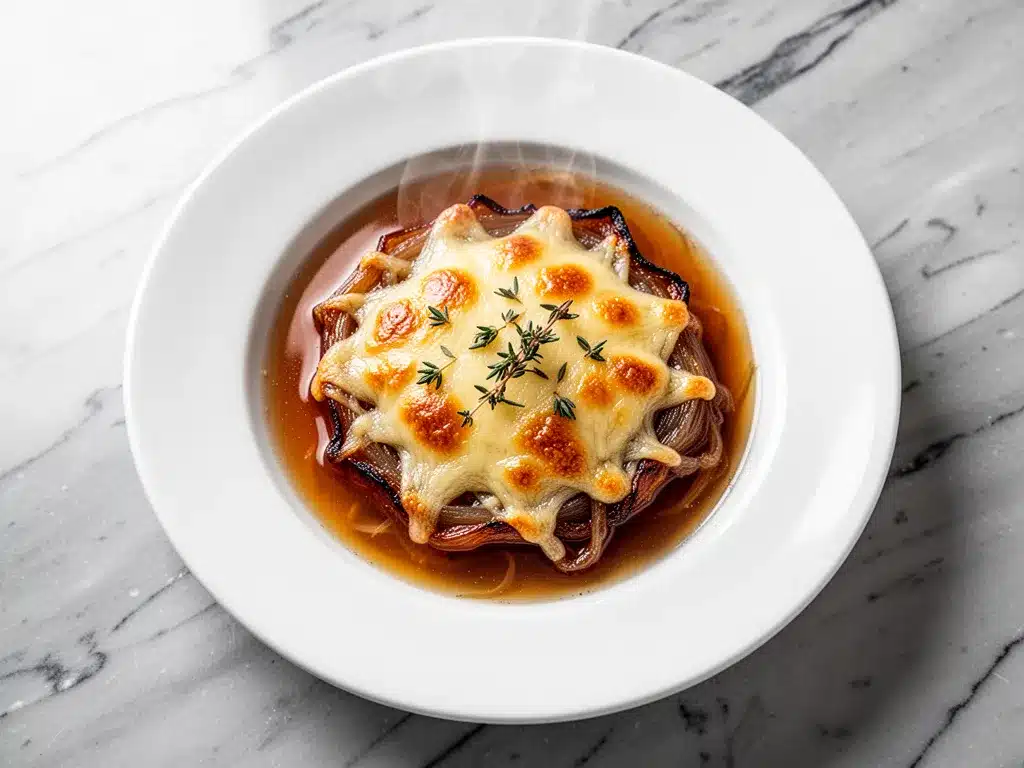
Alright, let’s get cooking. This recipe is about patience. Don’t rush the onions. If you rush them, you get brown onions, not caramelized ones. Caramelization is a chemical reaction that takes time. Here’s how I do it.
Step 1: Prep Your Onions (15 minutes)
Peel the onions. Cut them in half from root to stem. Then, slice each half into half-moon slices, about ¼-inch thick. Try to keep them uniform so they cook evenly. Once sliced, put them in a large bowl and toss with a pinch of salt. This helps draw out moisture and speeds up the cooking process slightly.
Step 2: Start the Caramelization (45-60 minutes)
Heat your Dutch oven over medium heat. Add the butter. Let it melt completely, but don’t let it brown. Once melted, add all the sliced onions. Toss them to coat in the butter. Reduce the heat to medium-low. This is the key: you want a gentle simmer, not a fry. Stir the onions every 5-10 minutes. They will release water, then start to soften, then start to brown. Be patient. If they start sticking, add a splash of water. This deglazes the pan and prevents burning. Keep going until the onions are a deep, dark golden brown and jammy. This takes 45-60 minutes. I know it sounds long, but it’s worth it.
Step 3: Add the Flour and Wine (5 minutes)
Once the onions are caramelized, sprinkle the flour over them. Stir constantly for 1-2 minutes to cook off the raw flour taste. Then, pour in the white wine (if using). Scrape the bottom of the pot to release any flavorful bits. Let the wine simmer for 2-3 minutes until it’s mostly evaporated.
Step 4: Build the Broth (10 minutes)
Pour in the beef broth. Add the thyme sprigs, sugar, and a generous crack of black pepper. Stir well. Bring the soup to a gentle simmer. Let it cook for 10 minutes to let the flavors meld. The soup should thicken slightly. Taste it. Add salt if needed. It should be savory and rich.
Step 5: Toast the Bread (5 minutes)
While the soup simmers, preheat your broiler. Slice your baguette into thick pieces. Toast them in the oven or under the broiler until golden brown on both sides. You want them crisp, not burnt. Set them aside.
Step 6: Assemble and Broil (3-5 minutes)
Ladle the hot soup into your broiler-safe bowls. Top each bowl with a slice of toasted baguette. Sprinkle generously with the grated Gruyère and Parmesan cheese. Place the bowls on a baking sheet and put them under the broiler. Watch them closely! You want the cheese melted, bubbly, and spotted with brown. This takes 2-3 minutes. Do not walk away. Cheese burns faster than you think.
Step 7: Serve Immediately
Let the bowls cool for a minute or two (they are VERY hot). Serve with a spoon. Dip the bread into the soup, pull the cheese, and enjoy. It’s magical.
Expert Tips & Tricks
I’ve made this soup enough times to know where people go wrong. Here’s how to avoid my mistakes.
Don’t Rush the Onions
This is the #1 mistake. If you crank up the heat to speed things up, the onions will burn before they caramelize. Burnt onions taste bitter. Low and slow is the only way. If you’re short on time, you can add a pinch of baking soda to the onions to speed up the browning, but it changes the texture slightly. I prefer to just wait.
Scrape the Bottom
As the onions cook, they will stick to the bottom of the pot. That’s called *fond*, and it’s pure flavor. Use your wooden spoon to scrape it up every time you stir. If you let it burn, you’ll have to start over.
Use Low-Sodium Broth
Broths vary wildly in salt content. If you use high-sodium broth, you might end up with soup that’s too salty, especially after adding the salty cheese. Start with low-sodium and adjust to taste.
Grate Your Own Cheese
Pre-shredded cheese is coated in cellulose to prevent clumping. This means it won’t melt smoothly. It will be grainy. Take the 5 minutes to grate your own cheese. It makes a huge difference.
The Bread is Crucial
Don’t use soft sandwich bread. It will disintegrate. You need a crusty baguette or sourdough. The crust holds up to the hot broth and provides a nice contrast in texture.
Variations & Substitutions
Once you’ve mastered the base, you can play around with this recipe.
Vegetarian Version
Swap beef broth for mushroom broth. Use vegan butter and skip the cheese (or use vegan cheese). The flavor will be earthier and less rich, but still delicious. I’ve made this for my vegetarian friends, and they love it.
Wine-Free
Skip the wine and use an extra cup of broth. Add a splash of balsamic vinegar at the end for acidity.
Gluten-Free
Skip the flour. Use gluten-free broth and gluten-free bread. The soup will be thinner, but the flavor is the same.
Cheese Variations
Can’t find Gruyère? Use Swiss cheese. Or a mix of Swiss and Parmesan. Even provolone works in a pinch. The key is a cheese that melts well and has a sharp flavor.
Add-Ins
Some people add a splash of brandy or cognac with the wine. It adds a lovely warmth. Others add a bay leaf with the thyme. I stick to the classics, but feel free to experiment.
Serving & Storage
How to Serve
I serve this as a starter, but on cold nights, it’s a full meal. Pair it with a simple green salad with a vinaigrette to cut the richness. If you want a heartier meal, serve it with my cheesy ground beef goulash on the side (though that’s a lot of comfort food!). A glass of red wine, like a Pinot Noir, pairs beautifully.
Storage
Store the soup (without the bread and cheese) in an airtight container in the fridge for up to 4 days. The flavors actually improve after a day or two.
Reheating
Reheat gently on the stove over low heat. Add a splash of broth or water if it’s too thick. Do not microwave it in the bowl with the cheese—just reheat the soup, then toast fresh bread, add cheese, and broil. Leftover cheese doesn’t melt as well.
Freezing
Freeze the soup base (no bread or cheese) for up to 3 months. Thaw in the fridge overnight and reheat. Toast fresh bread when serving.
Nutrition Information
I’m not a nutritionist, but here’s the breakdown if you’re tracking. This is a rich, hearty soup, so portion control is key.
Per Serving (based on 6 bowls):
- Calories: 380
- Protein: 18g
- Carbs: 35g
- Fiber: 3g
- Sugar: 8g
- Fat: 16g
- Saturated Fat: 9g
- Cholesterol: 40mg
- Sodium: 900mg (varies by broth)
What’s Good: High in protein from the cheese and broth. Good source of vitamin C from the onions.
What to Know: High in sodium and saturated fat. Use low-sodium broth and lighter cheese if you’re watching these.
Final Thoughts
Classic French onion soup is more than just a recipe. It’s a reminder that some of the best things in life take time. In a world of instant noodles and 5-minute meals, taking an hour to caramelize onions is a radical act of self-care. It’s messy, it’s aromatic, and it’s deeply satisfying.
I hope this recipe becomes a staple in your winter kitchen. It’s the kind of dish that brings people together, warms you up from the inside out, and makes even the coldest night feel a little bit cozier. So grab your onions, pour a glass of wine, and let the slow cooker magic happen. Your future self will thank you.
Frequently Asked Questions
Can I make this soup ahead of time?
Yes! In fact, it tastes better the next day. Make the soup base (steps 1-4) and store it in the fridge for up to 3 days. When ready to serve, reheat, toast bread, add cheese, and broil. It saves so much time on weeknights.
Why did my onions turn out watery instead of caramelized?
Usually, this means the heat was too high, or you crowded the pan. Make sure you have a large enough pot and keep the heat at medium-low. Stir occasionally, but don’t stir too much. Let them sit for a few minutes to develop color.
Can I use sweet onions instead of yellow onions?
You can, but they are sweeter and have more water. You’ll need to cook them longer to get the same depth of flavor. I prefer yellow onions for their balanced taste.
What if I don’t have Gruyère cheese?
Use Swiss cheese, provolone, or a mix of Parmesan and Mozzarella. It won’t be traditional, but it will still be delicious and melty.
Can I freeze this soup?
Freeze the soup base (without bread and cheese) for up to 3 months. Thaw in the fridge and reheat. Toast fresh bread when serving.
Is this soup gluten-free?
The base is naturally gluten-free if you use gluten-free broth and skip the flour. Just use gluten-free bread for the topping.
How do I prevent the cheese from burning?
Watch it closely! Broilers vary in intensity. Keep the oven rack in the middle position, not too close to the heating element. Remove the bowls as soon as the cheese is bubbly and golden.
Pin This Recipe!
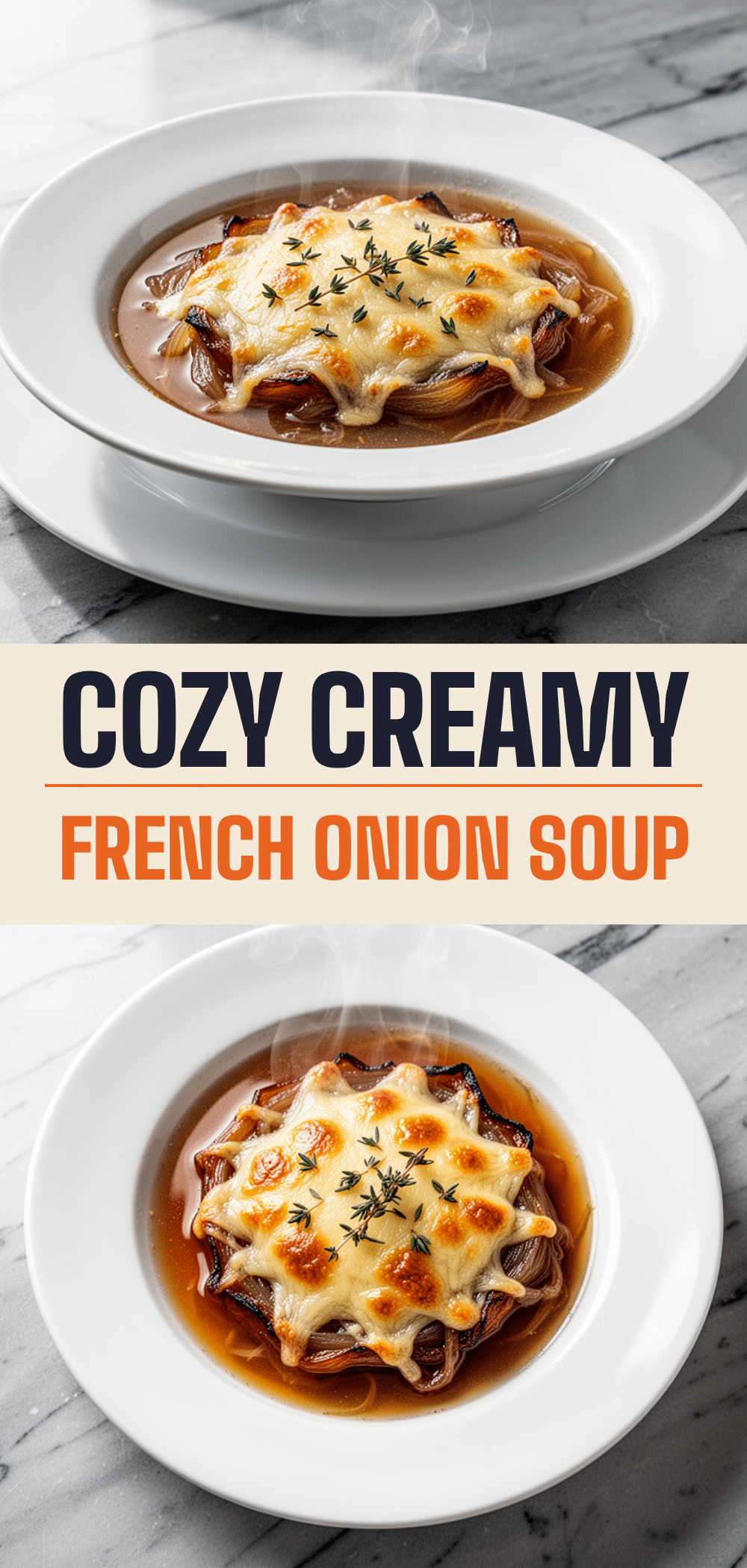
Classic French Onion Soup: Easy Winter Comfort
- Total Time: 90 minutes
- Yield: 6 servings 1x
Description
A rich, deeply savory French onion soup featuring slow-caramelized yellow onions, a robust beef broth, and a golden crust of melted Gruyère and Parmesan cheese on toasted baguette.
Ingredients
- 4 large yellow onions (about 3–4 pounds), peeled and sliced into half-moons
- 4 tablespoons unsalted butter
- 2 tablespoons all-purpose flour
- 6–8 cups low-sodium beef broth
- 1 teaspoon sugar
- ½ cup dry white wine (optional)
- Kosher salt and freshly cracked black pepper
- 2 sprigs fresh thyme (or 1 teaspoon dried)
- 1 small baguette, sliced into thick pieces
- 2 cups grated Gruyère cheese
- ½ cup grated Parmesan cheese
Instructions
- Peel and slice onions into ¼-inch half-moons. Toss with a pinch of salt and set aside.
- Heat a Dutch oven over medium heat. Add butter and melt without browning.
- Add onions to the pot, toss to coat, and reduce heat to medium-low.
- Cook onions for 45-60 minutes, stirring every 5-10 minutes, until deeply golden brown and jammy. Add a splash of water if sticking occurs.
- Sprinkle flour over caramelized onions and stir for 1-2 minutes to cook off raw taste.
- Pour in white wine (if using) and scrape the bottom of the pot. Simmer for 2-3 minutes until evaporated.
- Add beef broth, thyme, sugar, and black pepper. Bring to a gentle simmer and cook for 10 minutes to meld flavors.
- Preheat broiler. Toast baguette slices until golden brown on both sides.
- Ladle hot soup into broiler-safe bowls. Top with toasted bread and a generous mix of Gruyère and Parmesan.
- Broil for 2-3 minutes until cheese is melted, bubbly, and spotted with brown. Watch closely to prevent burning.
- Let cool for a minute and serve immediately.
Notes
Do not rush the caramelization of onions; low and slow is key. Use low-sodium broth to control salt levels. Grate your own cheese for better melting. The soup base can be frozen for up to 3 months without the bread and cheese.
- Prep Time: 15 minutes
- Cook Time: 75 minutes
- Category: Soup
- Cuisine: French
Nutrition
- Serving Size: 1 bowl
- Calories: 380
- Sugar: 8
- Sodium: 900
- Fat: 16
- Saturated Fat: 9
- Carbohydrates: 35
- Fiber: 3
- Protein: 18
Keywords: French onion soup, caramelized onions, comfort food, winter soup, Gruyère cheese, beef broth, easy dinner, gluten-free option