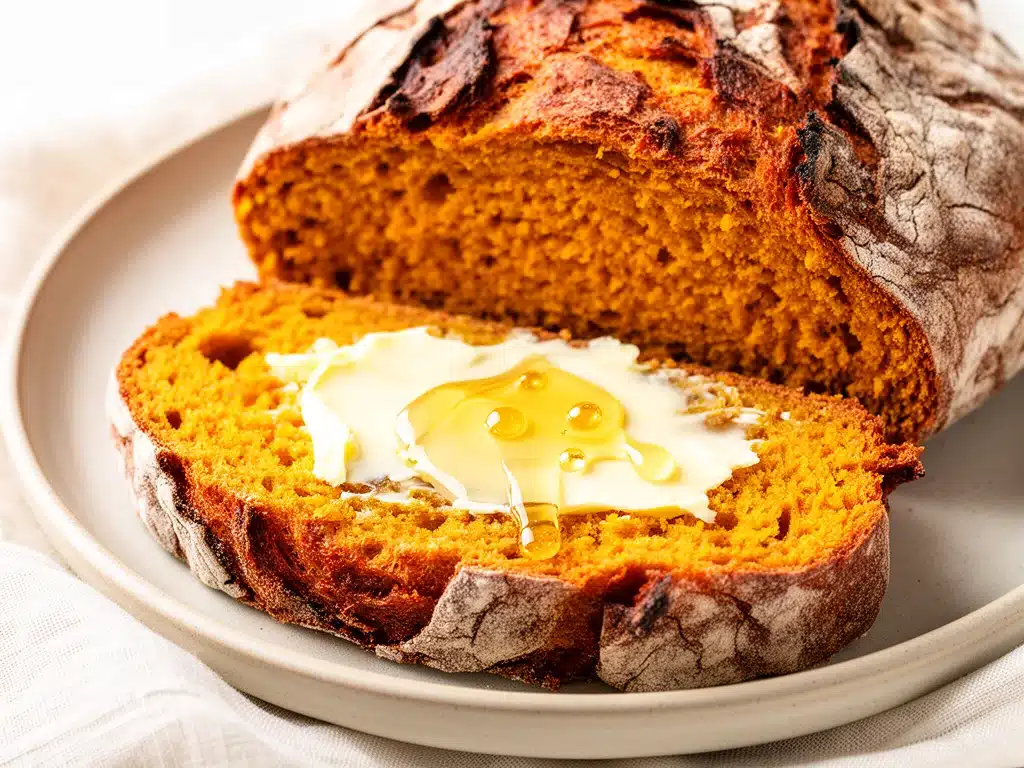
Last October, I was knee-deep in pumpkin spice everything but felt like something was missing from my autumn kitchen routine. I wanted bread that actually tasted like fall—not just cinnamon and nutmeg, but real pumpkin flavor, tangy sourdough depth, and a touch of sweetness. After a few messy tries (one loaf exploded all over my oven—true story), I finally nailed this fall pumpkin sourdough bread with honey butter that my whole family goes crazy for.
Here’s the thing: I’ve been making sourdough for years, but adding pumpkin was a game-changer. It keeps the bread moist, adds subtle sweetness, and the texture? Dreamy. Paired with a homemade honey butter that’s so easy to whip up, this bread has officially become our Sunday morning tradition—and the best part, everyone asks for seconds (and thirds). If you love cozy fall flavors that fill your kitchen with warmth, you’re going to want to try this.
After testing this recipe over a dozen times, tweaking the hydration and timing, I’m sharing exactly how to get that perfect loaf every single time. Ready to fill your home with pumpkin spice and sourdough magic? Let’s get baking.
Why You’ll Love This Recipe
This pumpkin sourdough bread isn’t just another seasonal treat—it’s the kind of recipe that becomes a staple. Here’s why it might just change your fall baking game:
- Rich, Autumnal Flavor — The pumpkin puree adds natural sweetness and a tender crumb without overpowering that classic sourdough tang. My kids love the subtle pumpkin taste, and my husband swears it’s better than bakery bread.
- Moist and Tender Crumb — Unlike some sourdoughs that can be dry, this loaf stays soft for days thanks to the pumpkin. I’ve taken this bread to potlucks and family dinners, and it’s always the first to disappear.
- Homemade Honey Butter — The buttery spread is lightly sweetened with honey and a hint of cinnamon, making it the perfect partner for the bread. I make a double batch just so I don’t run out.
- Uses Your Sourdough Starter — If you’re already nurturing a starter, this is a fun way to switch things up. Plus, pumpkin adds extra hydration, so it’s surprisingly easy to work with once you get the hang of it.
- Perfect for Cozy Mornings and Snack Time — Toast it up with honey butter for breakfast, or serve it alongside soups and stews. It’s versatile enough to be a snack or part of a meal.
Honestly, this recipe became my answer to “what’s for breakfast” on chilly weekends when I want that warm, nostalgic feeling without the fuss. If you’ve been curious about adding pumpkin to sourdough, this is the one to start with.
Ingredients You’ll Need
Don’t let the ingredient list intimidate you—most of these are pantry staples or things you probably already have if you bake sourdough regularly. I’m picky about a few key ingredients, and I’ll explain why.
- Sourdough starter (100g, active and bubbly) — This is the heart of your bread. Make sure your starter is well-fed and active. If you’re new to sourdough, it’s worth the investment to get a reliable starter going.
- All-purpose flour (400g / about 3 1/4 cups) — I prefer unbleached for better flavor and texture. You can swap up to 100g for whole wheat flour if you want a nuttier taste.
- Pumpkin puree (150g / about 2/3 cup) — Use canned pumpkin puree, NOT pie filling. I’ve tried fresh pumpkin, but canned gives consistent moisture and flavor.
- Water (200g / ¾ cup plus 1 tablespoon, room temperature) — Hydration is key. Pumpkin adds moisture, so I usually reduce water slightly compared to my usual sourdough.
- Salt (10g / 2 teaspoons) — Essential for flavor balance. I always use fine sea salt.
- Honey (1 tablespoon) — Adds a touch of sweetness to the dough and helps with crust color.
- Ground cinnamon (1 teaspoon) — Optional, but I love the autumn warmth it adds.
- Butter (for the honey butter, 4 tablespoons / 60g, softened) — Use unsalted so you can control the salt level.
- Honey (for honey butter, 2 tablespoons) — Adjust to taste; I like it sweet but not overpowering.
- Ground cinnamon (for honey butter, ¼ teaspoon) — Just a whisper to complement the pumpkin flavor.
If you’re wondering about substitutions: I’ve tried this with gluten-free flour blends, but it doesn’t rise as well. For a dairy-free honey butter, swap the butter for vegan margarine or coconut oil. It’s different but still delicious.
Equipment Needed
You really don’t need fancy tools for this, just the basics I use every time I bake sourdough:
- Large mixing bowl — For mixing the dough. I use a big glass bowl so I can watch the dough rise.
- Dutch oven or heavy oven-safe pot with lid — This traps steam perfectly to create that crisp crust. A cast iron works great.
- Kitchen scale — I can’t emphasize this enough. Sourdough baking is so much easier and more consistent when you weigh your ingredients.
- Dutch oven or baking stone — I prefer the Dutch oven method for steam, but a baking stone with a tray of water works too.
- Dough scraper or spatula — For folding and handling sticky dough without tearing it.
- Clean kitchen towel or plastic wrap — To cover the dough while it rises.
- Small bowl and spoon — For mixing the honey butter.
Optional but helpful:
- Banneton basket — For that classic round shape and beautiful pattern. I’ve used a bowl lined with a floured kitchen towel when I didn’t have one.
- Lame or sharp knife — For scoring the dough before baking. A sharp razor blade works fine too.
How to Make It: Step-by-Step
Step 1: Feed Your Starter and Prepare (Evening Before)
Start by feeding your sourdough starter about 4-6 hours before mixing the dough so it’s bubbly and active. I usually feed mine in the morning, and by late afternoon it’s ready to go.
Step 2: Mix the Dough (10 minutes)
In your large bowl, combine 100g active starter, 150g pumpkin puree, 200g water, and 1 tablespoon honey. Stir until mixed. Then add 400g flour, 10g salt, and 1 teaspoon cinnamon. Mix until no dry flour remains. The dough will be sticky but cohesive. Don’t overwork it—use your hands or a spatula.
Step 3: Bulk Fermentation with Stretch and Folds (4-5 hours)
Cover the bowl with a towel or plastic wrap. Every 30 minutes for the first 2 hours, perform gentle stretch and folds: reach under the dough, stretch it up, and fold over the top. This develops gluten and helps the dough gain strength. After 4-5 hours at room temperature, it should be puffed and airy but not doubled.
Step 4: Shape and Proof (1-2 hours)
Turn the dough onto a lightly floured surface. Shape it into a tight round boule. Place it seam-side up in a floured banneton or bowl lined with a floured towel. Cover and let proof until it passes the poke test—when you poke gently, the dough springs back slowly but leaves a small indent.
Step 5: Preheat Oven and Dutch Oven (30 minutes)
About 30 minutes before baking, preheat your oven to 475°F (245°C) with the Dutch oven inside. This ensures maximum heat for a crispy crust.
Step 6: Score and Bake (45 minutes)
Carefully turn the dough out onto parchment paper, seam-side down. Score the top with a sharp blade to help it expand. Place the dough (on parchment) into the hot Dutch oven. Cover and bake for 20 minutes. Then remove the lid and bake another 20-25 minutes until deep golden brown.
Step 7: Cool Completely (1 hour)
Transfer the bread to a wire rack and let it cool fully before slicing. I know it’s tempting to cut right away, but the crumb sets during cooling.
Step 8: Make the Honey Butter (5 minutes)
While your bread cools, mix 4 tablespoons softened butter, 2 tablespoons honey, and ¼ teaspoon cinnamon in a small bowl until creamy. Keep at room temperature for easy spreading.
Step 9: Serve and Enjoy
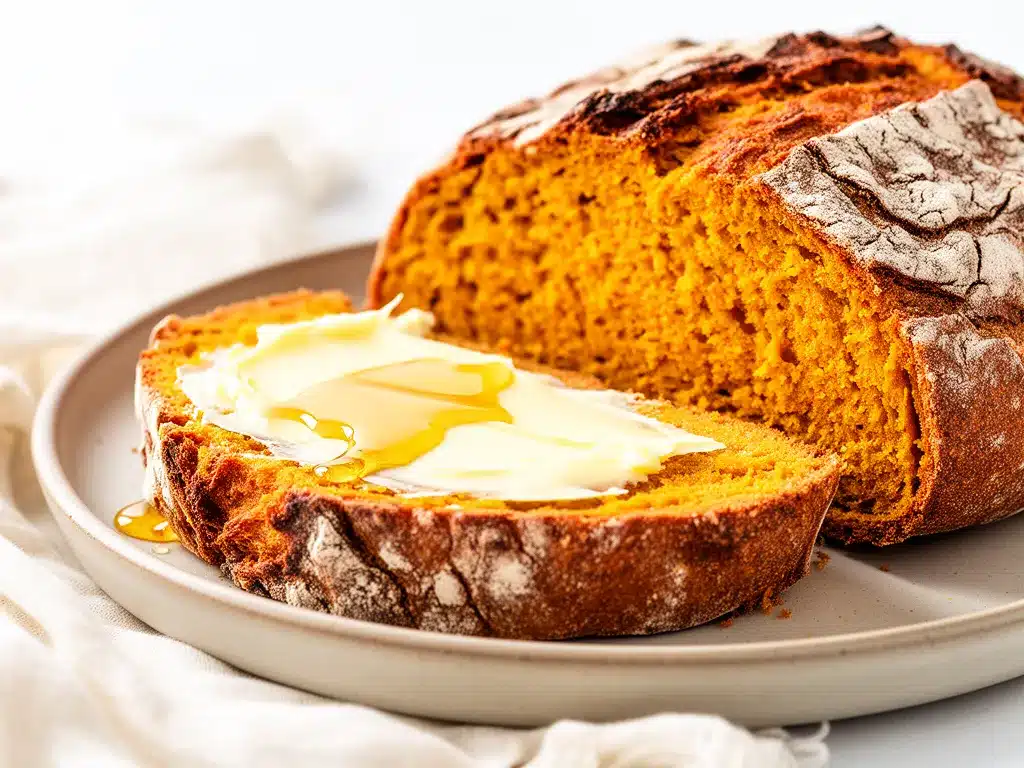
Slice your loaf and slather with honey butter. The warm bread melts it into every nook and cranny. Trust me, your family will be asking for the recipe.
Expert Tips & Tricks
- Don’t rush the fermentation — The flavor develops during those long rises. If your kitchen is cold, give it more time or find a warm spot (I sometimes use my oven with the light on).
- Use pumpkin puree, not pumpkin pie filling — The filling has spices and sugar that throw off the dough balance.
- Keep your starter active — The better-fed your starter, the better your rise and flavor.
- Score with confidence — A quick slash helps the bread expand and look professional. I once scored too shallow and my loaf split unpredictably.
- Cool before slicing — I’ve cut warm sourdough before and ended up with gummy bread. Let it rest at least an hour.
- Make the honey butter ahead — It keeps well in the fridge for a week. Just bring to room temp before serving.
Variations & Substitutions
Once you’ve mastered the basic fall pumpkin sourdough bread, here are some fun twists I’ve tried that your family might love:
- Spiced Up: Add ½ teaspoon ground cloves and nutmeg along with cinnamon for a deeper fall spice profile.
- Nuts and Seeds: Fold in ½ cup toasted pumpkin seeds or chopped pecans for crunch and texture.
- Cheesy Pumpkin: Add ¾ cup grated sharp cheddar or gouda before shaping. The savory cheese balances the sweetness.
- Gluten-Free-ish: I’ve tried substituting 50% of the flour with a gluten-free blend, but the rise isn’t as impressive. Great for experimenting but not my go-to.
- Vegan Honey Butter: Instead of butter, use coconut oil or vegan margarine and swap honey for maple syrup.
- Meal Pairings: This bread is incredible alongside creamy soups or stews. I once served it with a homemade pumpkin soup and it was a match made in heaven.
And if you’re looking for more cozy fall recipes, I’ve had great success with the baked apple cinnamon oatmeal cups—great for breakfast alongside this bread—or the honey garlic pretzel bites for a snack that’s just as sweet and comforting.
Serving & Storage
I like to serve this pumpkin sourdough bread warm with a generous spread of the honey butter. It’s perfect for lazy weekend breakfasts or alongside soups on chilly nights.
Storage: Wrap the cooled loaf tightly in a kitchen towel or place it in a bread box. It keeps well at room temperature for 2-3 days. For longer storage, slice and freeze in an airtight bag. Toast slices straight from the freezer for best results.
Honey Butter: Store in an airtight container in the fridge for up to a week. Bring to room temperature before serving for easy spreading.
Reheating: If your bread feels a little stale, wrap it in foil and warm it in a 300°F (150°C) oven for 10 minutes. The honey butter can be melted on top for an indulgent treat.
Nutrition Information
| Nutrient | Per Serving (1 slice, approx. 1/12 loaf) |
|---|---|
| Calories | 210 |
| Protein | 6g |
| Carbohydrates | 38g |
| Fiber | 2g |
| Sugar | 4g |
| Fat | 4g |
| Saturated Fat | 2.5g |
| Sodium | 220mg |
| Calcium | 40mg |
This bread gives you a comforting balance of carbs and protein with a touch of fat from the honey butter. The pumpkin adds fiber and vitamins, making it a little more nutritious than your average loaf. Just remember, this is a treat to enjoy—especially with that honey butter melting on top!
Final Thoughts
So that’s my fall pumpkin sourdough bread with honey butter—a loaf that’s become a cozy staple in my kitchen and one I hope you’ll love as much as we do. I’ve probably baked this 15 times this season alone (and still can’t get enough of that honey butter). It’s the perfect way to bring the flavors of fall into your home without complicated ingredients or techniques.
Make it your own—add nuts, spices, or cheese. Serve it with your favorite autumn soups or just enjoy a slice with a hot cup of coffee. If you try it, please leave a comment and tell me how it went! I’m always here to help if your dough needs a little extra love or if your loaf doesn’t come out quite right.
Happy baking, and may your kitchen smell like pumpkin and warm bread for many weekends to come.
Frequently Asked Questions
Q: Can I use fresh pumpkin instead of canned puree?
A: You can, but fresh pumpkin needs to be cooked and pureed first, which adds time and moisture variability. Canned pumpkin puree is consistent and makes the dough easier to manage. If you do use fresh, roast and puree it, then drain off some liquid to avoid a soggy dough.
Q: My dough feels too sticky—is that normal with pumpkin?
A: Yes, pumpkin adds moisture and makes the dough stickier than typical sourdough. Use wet hands and a dough scraper to handle it. Over time, as you stretch and fold, the dough will develop strength and become less sticky.
Q: How do I know when the bread is fully baked?
A: The crust should be deep golden brown and sound hollow when tapped on the bottom. Internal temperature should be around 205°F (96°C) if you use a kitchen thermometer.
Q: Can I make this bread without a Dutch oven?
A: Absolutely. Use a baking stone or heavy baking sheet and place a pan of hot water in the oven to create steam. This helps develop a crispy crust, though it won’t be quite the same as the Dutch oven method.
Q: How long does the honey butter keep?
A: Stored in an airtight container in the fridge, honey butter lasts about a week. Bring it to room temperature before serving for easy spreading.
Q: Can I add other spices to the dough?
A: Definitely! Nutmeg, cloves, or allspice work well with pumpkin. Start with ¼ to ½ teaspoon and adjust to taste.
Q: Will this bread keep well for lunches or snacks?
A: Yes! It toasts wonderfully and keeps moist for a few days. I often pack slices with a smear of honey butter and a side of fruit for school lunches—comfort food that travels well, kind of like those easy homemade mac and cheese or turkey and cheese pinwheels I’ve shared before.
Pin This Recipe!
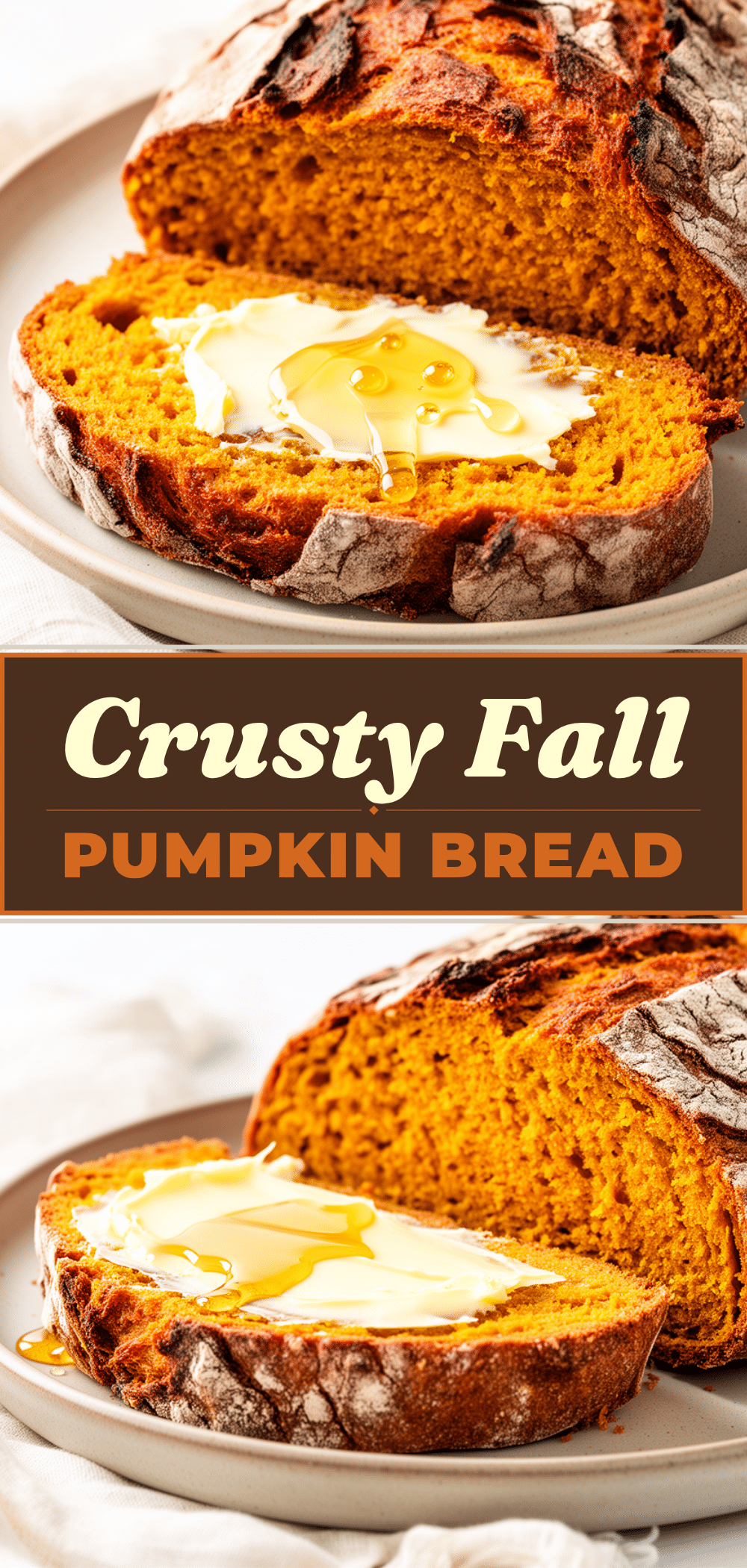

Fall Pumpkin Sourdough Bread Recipe with Honey Butter Your Family Will Crave
- Total Time: 6 hours 50 minutes to 7 hours 50 minutes (including starter feeding, fermentation, proofing, baking, and cooling)
- Yield: 12 servings (slices) 1x
Description
A cozy fall sourdough bread infused with real pumpkin puree and warm spices, paired with a homemade honey butter. Moist, tender, and perfect for autumn mornings or snacks.
Ingredients
- 100g active sourdough starter (about 1/2 cup)
- 400g all-purpose flour (about 3 1/4 cups), unbleached preferred
- 150g pumpkin puree (about 2/3 cup), canned, not pie filling
- 200g water (about 3/4 cup plus 1 tablespoon), room temperature
- 10g fine sea salt (2 teaspoons)
- 1 tablespoon honey
- 1 teaspoon ground cinnamon
- For honey butter:
- 4 tablespoons unsalted butter (60g), softened
- 2 tablespoons honey
- 1/4 teaspoon ground cinnamon
Instructions
- Feed your sourdough starter 4-6 hours before mixing so it’s bubbly and active.
- In a large mixing bowl, combine 100g active starter, 150g pumpkin puree, 200g water, and 1 tablespoon honey. Stir until mixed.
- Add 400g flour, 10g salt, and 1 teaspoon cinnamon. Mix until no dry flour remains. Dough will be sticky but cohesive.
- Cover the bowl with a towel or plastic wrap. For the first 2 hours, every 30 minutes perform gentle stretch and folds to develop gluten.
- Allow bulk fermentation for 4-5 hours at room temperature until dough is puffed and airy but not doubled.
- Turn dough onto a lightly floured surface. Shape into a tight round boule.
- Place dough seam-side up in a floured banneton or bowl lined with a floured towel. Cover and proof for 1-2 hours until it passes the poke test.
- Preheat oven to 475°F (245°C) with Dutch oven inside for 30 minutes.
- Carefully turn dough onto parchment paper, seam-side down. Score the top with a sharp blade.
- Place dough with parchment into hot Dutch oven. Cover and bake for 20 minutes.
- Remove lid and bake an additional 20-25 minutes until deep golden brown.
- Transfer bread to wire rack and cool completely for 1 hour before slicing.
- While bread cools, mix 4 tablespoons softened butter, 2 tablespoons honey, and 1/4 teaspoon cinnamon until creamy to make honey butter.
- Serve slices warm with honey butter spread.
Notes
[‘Do not rush fermentation; longer rises develop better flavor.’, ‘Use pumpkin puree, not pumpkin pie filling, to avoid unbalanced dough.’, ‘Keep sourdough starter active for best rise and flavor.’, ‘Score dough confidently to help expansion and appearance.’, ‘Cool bread completely before slicing to avoid gummy texture.’, ‘Honey butter keeps up to a week refrigerated; bring to room temperature before serving.’, ‘For dairy-free honey butter, substitute butter with vegan margarine or coconut oil and honey with maple syrup.’, ‘If no Dutch oven, use baking stone with pan of hot water for steam.’, ‘Reheat stale bread wrapped in foil at 300°F for 10 minutes.’]
- Prep Time: 10 minutes (plus 4-6 hours starter feeding and 4-5 hours bulk fermentation)
- Cook Time: 45 minutes
- Category: Bread
- Cuisine: American
Nutrition
- Serving Size: 1 slice (approximate
- Calories: 210
- Sugar: 4
- Sodium: 220
- Fat: 4
- Saturated Fat: 2.5
- Carbohydrates: 38
- Fiber: 2
- Protein: 6
Keywords: pumpkin sourdough bread, fall bread recipe, honey butter, autumn baking, sourdough pumpkin bread, cozy breakfast bread