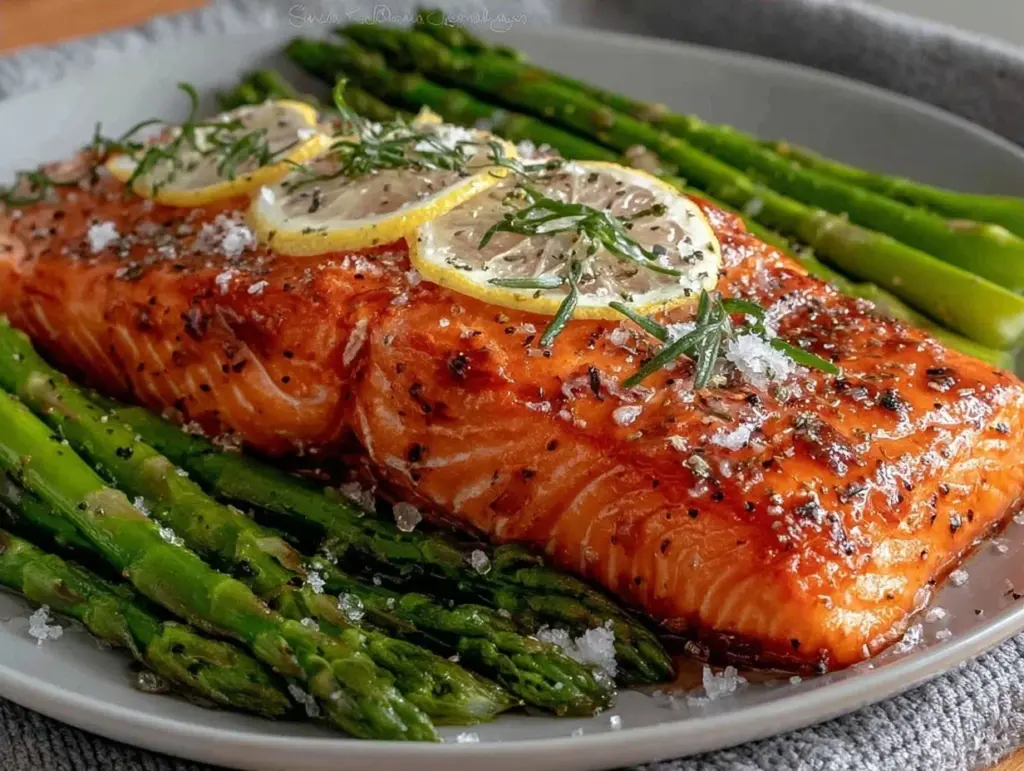
Last Tuesday, I was standing in my kitchen at 6:15 PM, staring at a clock that felt like it was ticking backward. I had a dinner party to prep for on Saturday, but my brain was fried from a long week. I didn’t want to order takeout—I just finished a batch of homemade vanilla sweet cream cold brew and needed to stay alert—but I definitely didn’t have the energy to tackle a complex multi-step meal. So, I did what I always do when I’m exhausted: I looked for something that promised minimal effort but maximum elegance.
I pulled out a salmon fillet and a bundle of asparagus. I tossed them on a single sheet pan, threw in some lemon, garlic, and olive oil, and shoved them into the oven. Twenty minutes later, I walked into the dining room, and my partner’s eyes actually widened. “That smells amazing,” he said, taking a bite before I’d even sat down. It wasn’t just “good for a quick meal.” It was genuinely restaurant-quality. The salmon was flaky and moist, the asparagus had a perfect char, and the whole thing felt like I’d spent hours in the kitchen, even though I’d barely broken a sweat.
That’s when I knew I had to perfect this Healthy Baked Salmon with Roasted Asparagus. It’s not just about the speed (though 20 minutes is hard to beat). It’s about the fact that it looks like you’re hosting a fancy dinner party, even if you’re just feeding your family on a random Wednesday. This dish has become my secret weapon for busy weeknights, but I also serve it to guests when I want to impress without stressing. It’s healthy, it’s beautiful, and it’s ridiculously easy to make.
Why You’ll Love This Recipe
There are about ten reasons I keep making this sheet pan dinner, but here are the big ones that keep it in my regular rotation.
Minimal Cleanup — Seriously, it’s just one baking sheet. I’ve had nights where I was too tired to wash a colander, a knife, and a cutting board. With this, I just wipe down the pan after dinner. It’s a game-changer for mental load.
Restaurant-Quality Presentation — Even though it’s healthy baked salmon, it doesn’t look “diet food” bland. The lemon and herbs make it vibrant. I’ve served this to friends who are picky eaters, and they always ask for the recipe because it looks so intentional and special.
Packed with Omega-3s — I’m not a nutritionist, but I love that I’m feeding my family heart-healthy fats without any complicated prep. Salmon is one of the best sources of omega-3s, and pairing it with asparagus gives you a great dose of fiber and folate. It’s the kind of dinner that makes you feel good the next day, not sluggish.
Flavor That Actually Develops — Some people worry that baking is boring compared to grilling. But baking salmon allows the heat to circulate evenly, keeping the fish incredibly moist. Plus, roasting the asparagus concentrates its flavor, giving it a nutty, caramelized edge that you can’t get from boiling. It’s rich, savory, and satisfying.
Super Fast — From the moment you pull the fish out of the fridge to the moment you’re eating, it’s about 20 minutes. That’s faster than waiting for a pizza delivery. I make this when I get home from work and realize I forgot to thaw dinner. Just throw it in, set a timer, and breathe.
This is my go-to when I need dinner to just work. No complicated techniques, no weird ingredients, just reliable, delicious food that makes everyone happy. It’s perfect for a cozy night in or when you’re planning a weekend dinner party and want a main dish that’s elegant but easy.
Ingredients You’ll Need
Here’s the best part: you probably have most of this already. This Healthy Baked Salmon with Roasted Asparagus relies on high-quality basics rather than a long list of obscure spices. I’m particular about three ingredients here, and I’ll tell you exactly why.
Firm White Fish or Salmon (1.5 lbs / 680g) — I use salmon because it’s fatty and stays moist, but you can use cod or halibut if you prefer white fish. For salmon, look for fillets that are about 1-inch thick. Thinner fillets will dry out in the oven. I usually buy wild-caught Alaskan salmon when it’s on sale—it has a better texture and deeper color.
Asparagus (1 bunch / about 12-16 spears) — Look for spears that are uniform in thickness so they cook evenly. If you buy a bundle, the woody ends will naturally break off where you snap them. Don’t waste them! Toss the woody ends into your stock pot later for soup. I like medium-thick spears; they hold up well to roasting without getting mushy.
Extra Virgin Olive Oil (3 tablespoons / 45ml) — Use a good quality oil here. Since there’s not much else going on, the oil is the main flavor carrier. I keep a bottle of “cooking grade” olive oil for everyday use, but for this, I use a nicer one. It adds a fruity, peppery note that elevates the whole dish.
Lemon (2 lemons) — One for juicing and one for slicing. The juice brightens the rich salmon, and the slices add aroma as they roast. I use Meyer lemons when they’re in season because they’re sweeter and less acidic, but regular Eureka lemons work perfectly fine too.
Garlic (4 cloves, minced / about 1 tablespoon) — Fresh only. No jarred garlic for this. The sharp, fresh bite of garlic balances the richness of the salmon. Mince it finely so it distributes evenly over the fish and veggies.
Dried Oregano or Italian Seasoning (1 teaspoon) — I prefer oregano for its earthy, slightly bitter note, but Italian seasoning works too. It’s a subtle background flavor that makes the dish taste like it’s from a Mediterranean bistro.
Red Pepper Flakes (½ teaspoon) — Optional, but I always add a pinch. It adds a tiny kick that cuts through the creaminess of the salmon. If you’re serving kids, you can leave it out, but I find a little heat makes the meal more interesting.
Salt and Black Pepper (to taste) — I use kosher salt for seasoning. It’s easier to control than table salt. Freshly cracked black pepper adds a nice aromatic spice.
Butter (1 tablespoon, optional) — I add a small pat of butter on top of the salmon right before it goes into the oven. It melts over the fish, making it extra glossy and rich. It’s indulgent, but worth it for the flavor.
Optional Add-ins: Cherry Tomatoes (1 cup, halved) — They burst in the oven and add a sweet, acidic contrast. Thinly Sliced Red Onion — Adds a sharp bite that softens and sweetens as it roasts. If you like charred vegetables, you’ll love how these turn out—the high heat caramelizes the natural sugars.
Equipment Needed
You don’t need fancy equipment for this. Here’s what I actually use.
Large Baking Sheet — I use a standard half-sheet pan (18×13 inches). It needs to be big enough to fit the salmon and asparagus in a single layer. If you crowd the pan, the vegetables steam instead of roast, and you lose that delicious char. I line mine with parchment paper for easy cleanup, but you can use foil if you prefer.
Small Bowl — For mixing the olive oil, lemon juice, garlic, and herbs. I use a 1-cup glass measuring cup because it’s easy to pour from.
Pastry Brush — For brushing the oil mixture over the salmon and asparagus. I have a cheap silicone one from the dollar store that works perfectly. It helps distribute the flavor evenly without wasting any oil.
Sharp Knife — For trimming the asparagus and slicing the lemon. A dull knife makes trimming asparagus a pain. I use my chef’s knife for everything.
Spatula — For transferring the salmon to plates. I use a wide, thin spatula so I don’t break the delicate fish. A regular dinner fork works too, but be gentle.
Optional but nice: Citrus Juicer — If you have one, it makes squeezing the lemon much easier. If not, just use your hands—it’s fine.
How to Make It: Step-by-Step
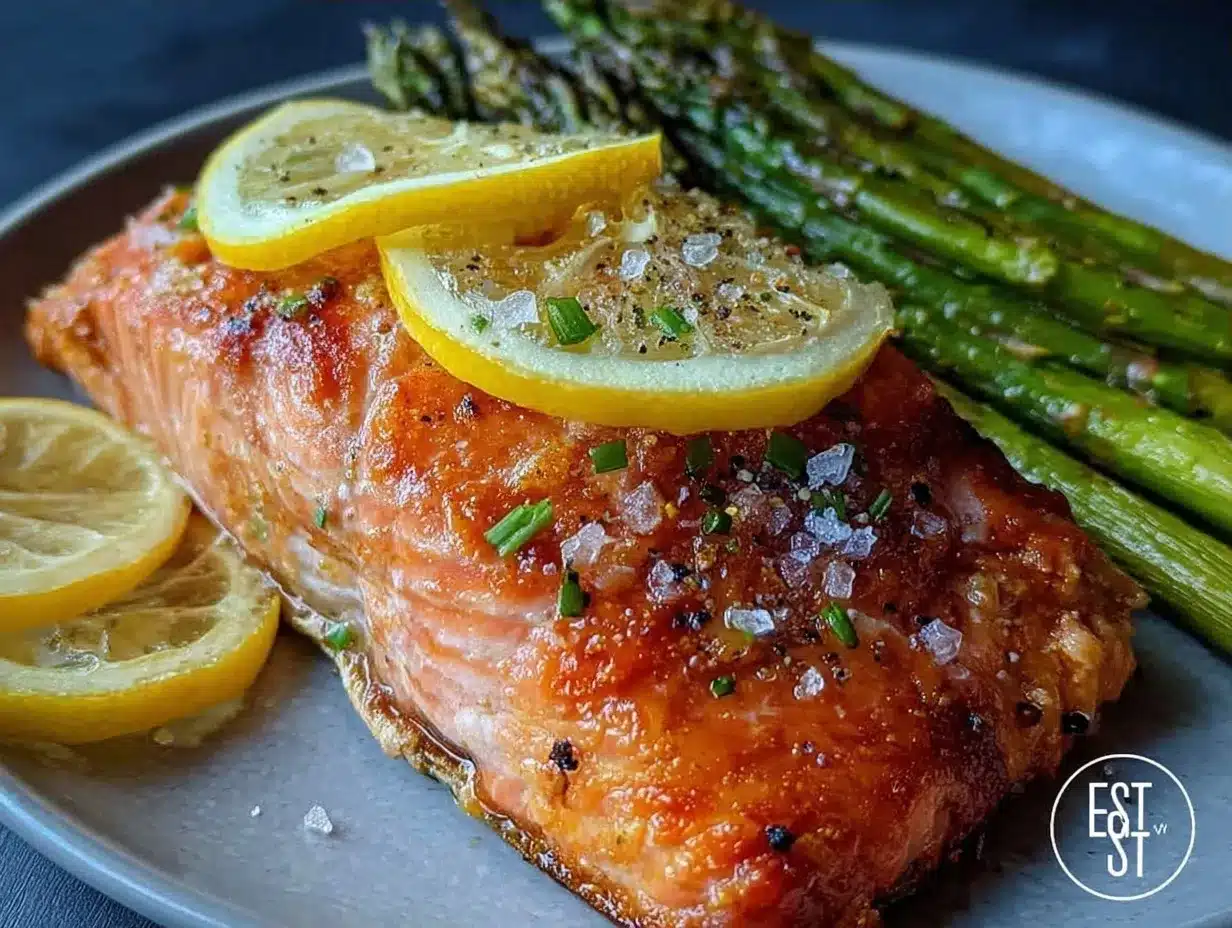
Alright, let’s make this! I’m walking you through exactly how I do it, including the little tricks I’ve picked up over the years.
Step 1: Prep Your Oven and Pan (5 minutes)
Preheat your oven to 400°F (200°C). This is a hot enough temperature to roast the asparagus quickly while gently baking the salmon. Line your baking sheet with parchment paper or foil. I prefer parchment because it prevents sticking and makes cleanup a breeze. Set it aside.
Step 2: Trim and Prep the Asparagus (5 minutes)
Wash the asparagus and pat it dry. Find the woody ends by holding one spear at both ends and bending it—it will naturally snap where the tender part begins. Do this for all the spears, or just trim about 1-2 inches off the bottom if you’re in a rush. Cut the spears in half if they’re very long, so they fit nicely on the pan. Toss them in a bowl with 1 tablespoon of olive oil, salt, and pepper.
Step 3: Prepare the Salmon (2 minutes)
Pat the salmon fillets dry with paper towels. This is important! Moisture is the enemy of good texture. If the fish is wet, it steams instead of baking. Place the fillets on the baking sheet. Season both sides with a little salt and pepper.
Step 4: Make the Lemon-Garlic Glaze (2 minutes)
In a small bowl, whisk together the remaining 2 tablespoons of olive oil, the juice of one lemon, the minced garlic, dried oregano, and red pepper flakes. Whisk until it looks emulsified and creamy-looking. This mixture is your flavor bomb.
Step 5: Assemble and Bake (15-18 minutes)
Drizzle the lemon-garlic mixture evenly over the salmon fillets. Use a spoon to spread it around, making sure the edges are coated. Arrange the seasoned asparagus around the salmon on the baking sheet. Don’t worry if they touch; they’ll roast beautifully. If you want extra richness, place a small pat of butter on top of each salmon fillet. Put the pan in the oven and bake for 15-18 minutes. The salmon is done when it flakes easily with a fork and is opaque throughout. The asparagus should be tender-crisp and slightly charred at the tips.
Step 6: Rest and Serve (2 minutes)
Remove the pan from the oven. Let the salmon rest for 2 minutes. This allows the juices to redistribute, so you don’t lose moisture when you cut into it. Squeeze a little fresh lemon juice over everything right before serving. Garnish with fresh parsley or dill if you have it. Serve immediately while it’s hot and fragrant.
Total Time: About 20 minutes (5 minutes prep, 15 minutes cooking)
Built-in Troubleshooting:
- S Salmon is dry: You might have overcooked it. Salmon continues to cook slightly after you take it out of the oven. Pull it when it’s just barely opaque in the center. It should be moist and flaky.
- Asparagus is burnt: Your oven runs hot or the pieces were too close together. Keep an eye on them after 12 minutes. If they’re browning too fast, you can tent them loosely with foil.
- Garlic is burning: Minced garlic burns quickly at 400°F. If you’re worried, mix the garlic into the oil and brush it on the salmon, not directly on the asparagus where it might fall off and char.
Expert Tips & Tricks
Here’s everything I’ve learned from making this dozens of times. These tips will save you from my mistakes.
Don’t Crowd the Pan
This is the #1 rule for roasted vegetables. If the asparagus is piled on top of itself, it steams. You want air circulation. Use a large pan. If you’re cooking for four people, you might need to use two pans or do two batches. It’s worth it for the texture.
Pat the Fish Dry
I know it seems like a small thing, but drying the salmon with paper towels makes a huge difference. It helps the seasoning stick and prevents the fish from steaming in its own juices. I learned this the hard way with a mushy, bland fillet once. Now I always dry it.
Use Fresh Lemon Juice
Bottled lemon juice tastes metallic and flat. Fresh lemon juice has brightness and acidity that cuts through the richness of the salmon. It’s worth the 30 seconds to squeeze it yourself. If you forget, you can add a splash of white wine vinegar, but fresh is best.
Check for Doneness Early
Ovens vary. If your fillets are thin, they might be done in 12 minutes. If they’re thick, they might need 18. Start checking at 12 minutes. The fish should flake easily with a fork and be opaque, not translucent.
Rest the Fish
Just like steak, salmon benefits from a brief rest. Letting it sit for 2 minutes after taking it out of the oven allows the juices to settle. If you cut into it immediately, the juices run out, and the fish dries up.
Pro Tricks I’ve Learned:
- For Restaurant-Quality Finish: Add a pinch of flaky sea salt (like Maldon) on top right before serving. It adds a nice crunch and elevates the presentation.
- For Extra Flavor: Add thin slices of lemon on top of the salmon before baking. The heat infuses the fish with citrus aroma.
- For Better Texture: Toss the asparagus in the oil and seasoning before putting it in the oven, not after. This ensures every spear is coated and roasted.
- Make-Ahead Strategy: You can trim the asparagus and mix the glaze up to 4 hours ahead. Store them in the fridge. When you’re ready, just assemble and bake. Saves time on busy nights.
Variations & Substitutions
Once you’ve nailed the basic version, here’s how you can mix it up. I’ve tried all of these.
Herb-Crusted Salmon
Instead of oregano, use fresh dill and parsley. Mix them with the olive oil and brush over the fish. Dill and salmon are a classic pairing. It’s fresh and bright.
Teriyaki Glazed Salmon
Swap the lemon-garlic glaze for a mixture of soy sauce, honey, and ginger. Brush it on the salmon before baking. It’s sweet and savory, and great for kids.
Mediterranean Style
Add Kalamata olives and cherry tomatoes to the pan with the asparagus. The olives add a salty, briny punch that pairs perfectly with the lemon. It’s like a salad on a plate.
Spicy Cajun Salmon
Swap the oregano for Cajun seasoning. Add a pinch of cayenne pepper. It’s bold and flavorful, and pairs well with a cool side dish like creamy mango lassi to balance the heat.
Dietary Modifications:
- Gluten-Free: This recipe is naturally gluten-free. Just check your soy sauce if you use the Teriyaki variation.
- Dairy-Free: Skip the butter pat. The olive oil provides enough richness. It’s still delicious.
- Low-Carb: Skip the potatoes or rice. Serve with a side salad or cauliflower rice. The salmon and asparagus are naturally low-carb.
- Paleo: Use coconut oil instead of olive oil if you prefer. The rest of the ingredients are paleo-friendly.
Different Proteins:
- Shrimp: Toss peeled and deveined shrimp with the asparagus. Bake for 8-10 minutes. They cook much faster.
- Chicken Breast: You can bake chicken breasts on the same pan, but they’ll take longer (20-25 minutes). Add the asparagus halfway through.
- White Fish: Cod, halibut, or tilapia work great. Adjust cooking time based on thickness. White fish cooks faster than salmon.
Serving & Storage
How to Serve:
I usually serve this straight from the baking sheet at the dinner table—it looks rustic and stays warm. But here are other ways I’ve enjoyed it:
Side Dishes:
- Fluffy quinoa or brown rice (to soak up the lemon-garlic juices)
- Simple green salad with balsamic vinaigrette
- Roasted baby potatoes (add to the pan with the asparagus)
- Cauliflower rice (for a low-carb option)
Toppings Bar:
When I have guests, I put out: extra lemon wedges, flaky sea salt, fresh herbs, red pepper flakes. Everyone customizes their bowl.
Wine Pairing:
Not a wine expert, but my wine-snob friend says Pinot Grigio, Sauvignon Blanc, or a light Chardonnay works great with this. The acidity in the wine complements the lemon.
Storage Instructions:
Refrigerator:
Store leftovers in an airtight container for up to 3 days. The salmon will firm up a bit in the fridge, which is normal. It’s still good cold, but best reheated gently.
Reheating:
Best method: Place the salmon in a baking dish and cover with foil. Reheat at 350°F for 10-12 minutes. Or, microwave it on low power for 30-60 seconds. Don’t overheat it, or it’ll get rubbery.
Freezing:
Honestly, this doesn’t freeze well. The asparagus gets mushy, and the salmon can become dry. I recommend making it fresh or storing in the fridge for up to 3 days.
Nutrition Information
I’m not a nutritionist, but here’s the breakdown if you’re tracking.
Per Serving (based on 4 servings):
- Calories: 320
- Protein: 28g
- Carbs: 8g
- Fiber: 3g
- Sugar: 3g
- Fat: 18g
- Saturated Fat: 4g
- Cholesterol: 75mg
- Sodium: 280mg
What’s Good:
- High in protein and omega-3 fatty acids
- Low in carbohydrates
- Good source of fiber from asparagus
- Rich in vitamins A, C, and K
What to Know:
- Contains fish allergens
- Can be made dairy-free and gluten-free easily
- Moderate in calories due to olive oil, but healthy fats
My Take:
Look, this is healthy comfort food. It’s not a diet recipe, but it’s nutrient-dense and satisfying. I know exactly what’s in it, and it’s way better than processed options. When I want to make it lighter, I reduce the olive oil to 2 tablespoons. But usually? I just eat a reasonable portion and enjoy it.
Final Thoughts
So that’s my go-to Healthy Baked Salmon with Roasted Asparagus! I’ve probably talked your ear off at this point, but when you make a recipe this often, you have a lot to say about it. It’s become my answer to “what’s for dinner” when I’m tired, don’t want takeout, and still want something that tastes really good. My kids are happy, my husband’s happy, and I’m happy because I’m not stressed about cooking.
This has saved weeknight dinners more times than I can count. It’s elegant enough for a weekend dinner party, as you might see with a charred lemon grilled chicken, but simple enough for a Tuesday night. Make it yours! Try different add-ins, swap in your favorite vegetables, adjust the garlic (though more is always better in my opinion). The best recipes are the ones you adapt to your family’s tastes.
If you make this, drop a comment and let me know what you think! I love hearing how recipes turn out in your kitchen. And if something doesn’t work, tell me that too—I’m here to help troubleshoot. Happy cooking! And I hope your kitchen smells half as good as mine does right now.
Frequently Asked Questions
Can I use frozen salmon?
You can, but it’s not ideal. Frozen salmon releases a lot of water as it thaws, which can make the fish mushy and dilute the flavor. If you must use frozen, thaw it completely in the fridge overnight and pat it very dry before cooking. Fresh salmon always yields the best texture.
How do I know when the salmon is done?
The easiest way is to check the internal temperature. It should reach 145°F (63°C). But I prefer the visual test: the fish should be opaque throughout and flake easily with a fork. If it’s still translucent in the middle, give it a few more minutes.
Can I make this ahead for a dinner party?
Sort of. You can prep the asparagus and mix the glaze up to 4 hours ahead and store them in the fridge. But it’s best to bake the salmon fresh right before serving. Salmon cooks quickly and loses its texture if it sits too long. I usually prep everything in the morning and bake it an hour before guests arrive.
Why did my asparagus turn out mushy?
Usually means you crowded the pan or cooked it too long. Asparagus needs space to roast. If the spears are touching, they steam. Also, check your oven temperature. If it’s too low, the asparagus will sweat instead of roast. Make sure your oven is fully preheated to 400°F.
Can I use a different vegetable?
Absolutely! Broccoli, green beans, zucchini, or bell peppers all work well. Just adjust the cooking time based on the vegetable’s thickness. Harder vegetables like carrots might need to be par-boiled first or cut into smaller pieces.
How do I reheat leftovers without it getting dry?
Reheat gently! Add a splash of water or broth to the pan and cover it with foil. Heat at 350°F for 10 minutes. Or, microwave it on low power for 30-60 seconds. Avoid high heat, which will dry out the fish and make it rubbery.
Can I double this recipe?
Yes, but you’ll need two baking sheets. Don’t stack the salmon or asparagus on top of each other. Roasting requires air circulation. If you use two pans, you might need to rotate them halfway through cooking for even browning.
Pin This Recipe!
Healthy Baked Salmon with Roasted Asparagus: 20min Dinner
- Total Time: 20 minutes
- Yield: 4 servings 1x
Description
A quick, elegant, and healthy sheet-pan dinner featuring flaky baked salmon and charred asparagus with a lemon-garlic glaze, ready in just 20 minutes.
Ingredients
- 1.5 lbs salmon fillets (firm, about 1-inch thick)
- 1 bunch asparagus (12–16 spears)
- 3 tablespoons extra virgin olive oil
- 2 lemons (1 juiced, 1 sliced)
- 4 cloves garlic, minced
- 1 teaspoon dried oregano or Italian seasoning
- 1/2 teaspoon red pepper flakes
- Salt and black pepper to taste
- 1 tablespoon butter (optional)
- 1 cup cherry tomatoes, halved (optional)
- Thinly sliced red onion (optional)
Instructions
- Preheat oven to 400°F (200°C). Line a large baking sheet with parchment paper or foil.
- Wash and dry asparagus. Snap off woody ends and trim or cut spears in half if long. Toss with 1 tablespoon olive oil, salt, and pepper.
- Pat salmon fillets dry with paper towels. Place on the baking sheet and season both sides with salt and pepper.
- In a small bowl, whisk together remaining 2 tablespoons olive oil, juice of one lemon, minced garlic, oregano, and red pepper flakes.
- Drizzle the lemon-garlic mixture over the salmon fillets, ensuring edges are coated. Arrange asparagus around the salmon on the pan.
- Optionally, place a small pat of butter on top of each salmon fillet.
- Bake for 15-18 minutes until salmon flakes easily with a fork and is opaque throughout, and asparagus is tender-crisp with slight char.
- Remove from oven and let salmon rest for 2 minutes. Squeeze fresh lemon juice over everything before serving.
Notes
Do not crowd the pan to ensure roasting instead of steaming. Pat the fish dry before seasoning to prevent steaming. Use fresh lemon juice for best flavor. Salmon continues to cook slightly after removal from the oven, so pull it when just barely opaque. Leftovers can be refrigerated for up to 3 days but do not freeze well.
- Prep Time: 5 minutes
- Cook Time: 15 minutes
- Category: Main Course
- Cuisine: American
Nutrition
- Serving Size: 1 fillet and asparag
- Calories: 320
- Sugar: 3
- Sodium: 280
- Fat: 18
- Saturated Fat: 4
- Carbohydrates: 8
- Fiber: 3
- Protein: 28
Keywords: healthy salmon, baked salmon, roasted asparagus, sheet pan dinner, quick dinner, omega-3, gluten-free, dairy-free, low-carb, weeknight dinner