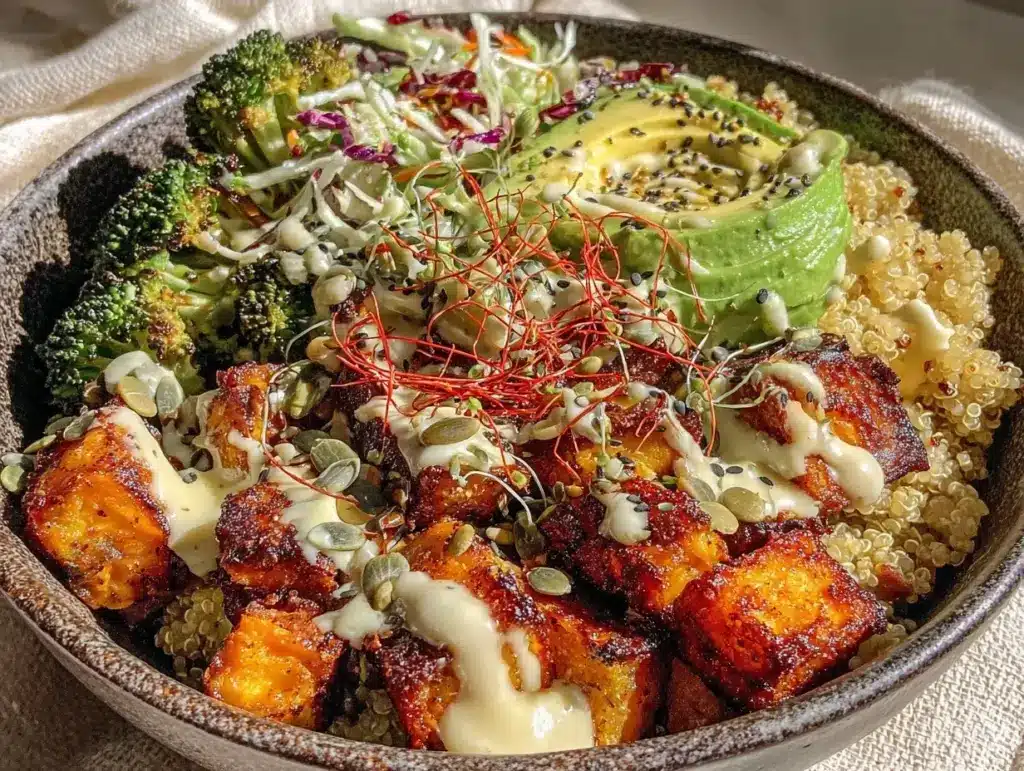
It was 6:45 PM on a Tuesday, and I was staring into the abyss of my open refrigerator. You know the look. The light flickers, a lonely container of wilting spinach leans against the back wall, and there’s half a bag of brown rice that’s been there since last Thursday. I wanted something healthy, but I also didn’t want to order takeout. I wanted flavor, but I didn’t want to spend an hour chopping. I needed dinner to be ready before my brain completely shut down from the day.
That was the night I finally stopped treating the healthy vegetarian buddha bowl as a “diet food” and started treating it like a canvas. I grabbed whatever was left in the crisper drawer—roasted sweet potatoes, a handful of chickpeas, some shredded red cabbage—and tossed it together with a lemon-tahini dressing that changed everything. It wasn’t just “good for a salad.” It was vibrant, rich, and deeply satisfying. It felt like a meal I’d order at a trendy spot in Brooklyn, but it cost me less than five dollars and took ten minutes to put together.
Since then, this buddha bowl has become my go-to solution for those chaotic weeknights. It’s the dish I make when I’m tired but refuse to eat cereal for dinner. It’s the meal that keeps me sane when I’m meal prepping for the week. And honestly? It’s become the unexpected star of my dinner parties. Last weekend, I served these bowls to six friends who were expecting something more “formal.” They didn’t complain. In fact, they kept coming back for seconds, picking at the leftover chickpeas and begging for the recipe for the dressing. There’s something magical about a bowl that looks rustic but tastes like you spent hours in the kitchen.
What I love most about this recipe is its flexibility. It’s not a rigid set of instructions; it’s a framework. You build it around what you have, what’s in season, and what you’re craving. Whether you’re feeding a picky eater or trying to sneak more greens into your diet, this bowl adapts. It’s hearty enough to keep you full for hours, yet light enough that you don’t feel sluggish afterward. It’s the perfect balance of comfort and nutrition, wrapped up in a package that looks as good as it tastes.
Why You’ll Love This Healthy Vegetarian Buddha Bowl
There are a lot of salad recipes out there, but few offer the structural integrity and flavor payoff of a well-built buddha bowl. I’ve tested this version dozens of times, tweaking the ratios and testing different grain bases, and this is the formula that actually works. Here’s why it’s earned a permanent spot in my weekly rotation.
Stupidly Simple Assembly — Seriously, if you can rinse a vegetable and drizzle a sauce, you can master this. I’ve made this while my kids were doing homework at the table, and it still came out perfect. There’s no complex technique here, just smart layering. I chop my veggies while the grains cook, so by the time the rice is fluffy, the bowl is ready to assemble. It’s the ultimate low-effort, high-reward dinner.
Flavor That Actually Lingers — Most healthy bowls fall flat because they’re missing that “wow” factor. The secret is the tahini-lemon dressing. It’s creamy, tangy, and slightly nutty, coating every bite in flavor. I’ve tried making this with just olive oil, and it’s fine. But the tahini? It adds a richness that makes the vegetables taste roasted even if they’re raw. It’s the kind of dressing that makes you lick the spoon.
Endlessly Customizable — This is my favorite part. One week it’s loaded with roasted squash and kale; the next, it’s crisp cucumbers and edamame. I use this bowl to use up leftovers. Got half a container of quinoa? Toss it in. A bruised apple? Slice it up and add it for crunch. It’s the perfect way to fight food waste without sacrificing taste. I’ve even used this base to repurpose last night’s korean chickpea salad by tossing the chickpeas straight into the bowl for extra protein.
Meal Prep Magic — I’m a huge believer in Sunday prep, but I hate it when my salads get soggy by Wednesday. The key to this bowl is keeping the dressing separate until you’re ready to eat. The grains hold up beautifully in the fridge, and the sturdy veggies (like carrots and cabbage) stay crisp for days. I make four bowls on Sunday, and they’re my go-to lunches all week long. It’s faster, healthier, and way cheaper than buying lunch out.
Looks Like You Tried — Don’t let the simplicity fool you. This bowl looks stunning. The contrast of orange sweet potatoes, purple cabbage, green kale, and golden chickpeas against a white bowl is visually irresistible. I’ve served these at casual get-togethers, and people always assume I spent time plating it. It’s the perfect dish for when you want to impress guests without being stuck in the kitchen all day.
Ingredients You’ll Need
Here’s the best part: you probably have most of this already. A buddha bowl relies on pantry staples and fresh produce, so it’s easy to keep stocked. I’m particular about a few things—like using fresh lemon juice instead of bottled and getting good quality tahini—but the rest is flexible. Let’s break it down.
For the Grain Base
Quinoa or Brown Rice (1 cup dry / 180g) — I prefer quinoa for its fluffiness and protein content, but brown rice works too if you want something heartier. White rice gets too mushy in the fridge, so stick to the darker grains. Rinse your quinoa well before cooking to remove the bitter saponin coating.
Water or Vegetable Broth (2 cups / 480ml) — Cooking in broth adds a subtle savory depth. I use low-sodium vegetable broth so I can control the salt level. If you’re using rice, adjust the water ratio according to your package instructions.
For the Veggies & Crunch
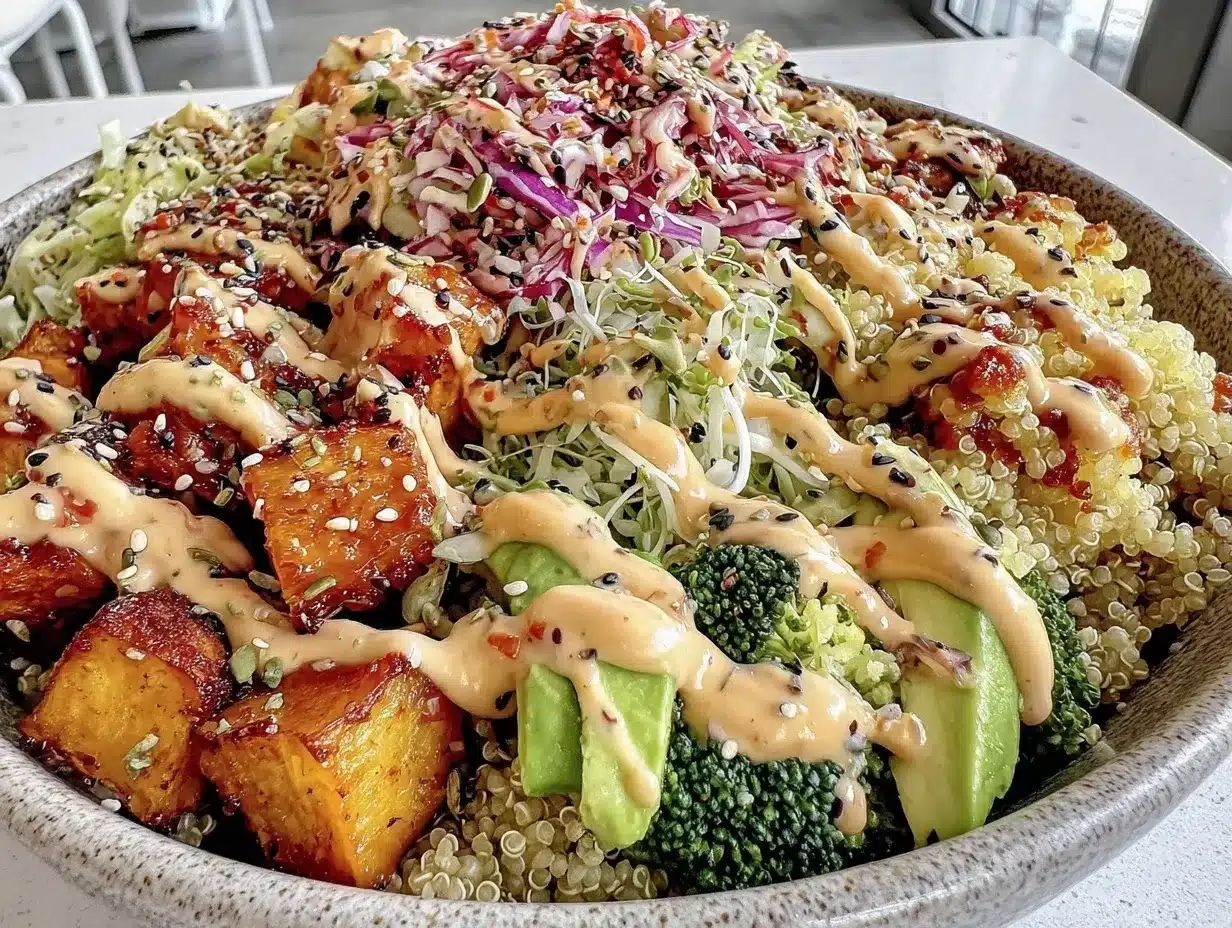
Sweet Potatoes (1 large, diced / about 300g) — These add natural sweetness and creaminess. Roast them until they’re caramelized at the edges. I love the contrast of the soft potato against the crunchy veggies. You can swap for butternut squash if that’s what’s in season.
Red Cabbage (1 cup, thinly sliced / about 100g) — This is non-negotiable for me. It adds a vibrant purple color and a satisfying crunch that lasts for days in the fridge. It also keeps the bowl from feeling too heavy.
Chickpeas (1 can, drained and rinsed / 15oz can) — The protein powerhouse. I like to roast them with a little paprika and cumin for extra flavor, but straight from the can works fine if you’re in a rush. Drain them well so they don’t make the bowl watery.
Carrots (2 medium, julienned or grated / about 150g) — Raw carrots add a nice snap. I use a peeler to make ribbons, which looks pretty and eats easily. If you prefer them softer, you can quickly sauté them, but raw is my preference for texture.
Kale or Spinach (2 cups, chopped / about 60g) — I use kale because it holds up better in the fridge. Massage it with a little olive oil and salt before adding it to the bowl—it breaks down the fibers and makes it tender and sweet. Spinach works too, but it wilts faster.
For the Tahini Lemon Dressing
Tahini (¼ cup / 60g) — Use a well-stirred jar of tahini. The oil separates, so give it a good mix before measuring. This is the heart of the flavor. Cheap tahini can be bitter, so invest in a decent brand.
Fresh Lemon Juice (3 tablespoons / 45ml) — Bottled lemon juice tastes metallic and flat. Squeeze it fresh. You’ll need about one large lemon. The acidity cuts through the richness of the tahini.
Maple Syrup (1 tablespoon / 15ml) — Just a touch to balance the tartness. You can use honey if you prefer, but maple syrup keeps it vegan and adds a nice subtle flavor.
Garlic (1 clove, minced / about 1 teaspoon) — Fresh garlic is essential here. It adds a pungent kick that ties everything together. If you’re sensitive to raw garlic, you can roast it first, but raw is more traditional.
Warm Water (2-3 tablespoons) — This thins the tahini to a drizzle-able consistency. Tahini thickens when mixed with acid, so you’ll need to loosen it up.
Salt and Black Pepper — To taste. Don’t skip the salt—it brightens up the whole dressing.
Equipment Needed
You don’t need fancy gadgets for this. Here’s what I actually use in my kitchen.
Medium Saucepan — For cooking the grains. A 2-quart pot is perfect for a cup of dry quinoa or rice. Any pot with a tight-fitting lid works.
Baking Sheet — For roasting the sweet potatoes. I use a standard half-sheet pan. Line it with parchment paper for easy cleanup, though it’s not strictly necessary.
Small Bowl — For whisking the dressing. A ramekin or small mixing bowl works best.
Whisk — Essential for emulsifying the tahini and lemon juice. A fork works in a pinch, but a whisk makes it smoother.
Sharp Knife and Cutting Board — For chopping the veggies. A good chef’s knife makes quick work of the cabbage and carrots.
Peeler — For making carrot ribbons or peeling the sweet potatoes if you’re not roasting them whole.
How to Make It: Step-by-Step
Alright, let’s build this bowl. I’m walking you through exactly how I do it, including the little tricks that make the difference between good and great.
Step 1: Cook the Grains (15-20 minutes)
Start by rinsing your quinoa or rice under cold water. Place it in your saucepan with the water or broth. Bring it to a boil, then reduce the heat to low, cover, and simmer. Quinoa takes about 15 minutes; brown rice takes closer to 40. Fluff it with a fork when it’s done and set it aside. Pro tip: Cook extra grains on Sunday so you’re ready to go all week.
Step 2: Roast the Sweet Potatoes (20-25 minutes)
Preheat your oven to 400°F (200°C). Dice the sweet potatoes into half-inch cubes. Toss them on a baking sheet with a drizzle of olive oil, salt, and pepper. Spread them out in a single layer—don’t crowd them, or they’ll steam instead of roast. Roast for 20-25 minutes, flipping halfway through, until they’re tender and caramelized. While they roast, you can prepping the other veggies.
Step 3: Prep the Veggies
While the potatoes roast, chop your kale, cabbage, and carrots. If using kale, tear the leaves off the stems and massage them with a pinch of salt and a drop of oil. This takes about 1-2 minutes but makes a huge difference in texture. Julienne the carrots and shred the cabbage. Keep everything in separate piles or bowls for easy assembly.
Step 4: Make the Dressing (5 minutes)
In a small bowl, whisk together the tahini, fresh lemon juice, maple syrup, minced garlic, and a pinch of salt. It will look thick and clumpy at first—don’t panic. Add warm water one tablespoon at a time, whisking constantly, until you reach a creamy, pourable consistency. Taste and adjust. Need more tang? Add more lemon. Need more sweetness? Add a dash more maple syrup. The dressing should be thick enough to coat the back of a spoon but fluid enough to drizzle.
Step 5: Assemble the Bowl
Grab a large bowl. Start with a base of warm grains. Top with the roasted sweet potatoes, then arrange the raw veggies in sections. I like to create color blocks: orange potatoes on one side, purple cabbage on the next, green kale on the third, and carrots on the fourth. Add the chickpeas wherever they fit best. The goal is to make it look beautiful, not just throw it in.
Step 6: Dress and Serve
Drizzle the tahini-lemon dressing generously over the entire bowl. Use all of it, or save some for later. Add any extra toppings like sesame seeds, hemp hearts, or fresh herbs if you have them. Eat immediately while the potatoes are warm and the veggies are crisp.
Expert Tips & Tricks
Here’s everything I’ve learned from making these bowls dozens of times. These tips will save you from my mistakes.
Massage Your Kale
I can’t stress this enough. Raw kale is tough and bitter. Massaging it with a little oil and salt breaks down the cell walls, making it tender and sweet. It takes 30 seconds, but it transforms the texture. If you skip this step, the kale will feel like you’re eating a leafy salad from a fast-food place.
Roast the Chickpeas
While canned chickpeas are convenient, roasting them adds incredible texture. Toss drained chickpeas with a little olive oil, smoked paprika, and cumin, and roast them at 400°F for 15 minutes until crispy. They become little flavor bombs that add a crunch similar to croutons. I do this whenever I have time, but it’s not mandatory.
Balance the Dressing
Tahini can be bitter, and lemon is acidic. The key is balance. Taste your dressing before you pour it. If it’s too thick, add water. If it’s too sour, add more maple syrup. If it’s too bland, add salt. The dressing is the soul of the bowl, so get it right.
Keep Components Separate
If you’re meal prepping, never mix the dressing with the grains and veggies until you’re ready to eat. The acid will break down the greens and make the grains soggy. Store the dressing in a small jar in the fridge—it keeps for up to a week.
Don’t Skip the Salt
It’s easy to under-salt healthy food because you’re focused on “clean” eating. But salt enhances flavor. Season your grains, your veggies, and your dressing. You’ll taste the difference.
Variations & Substitutions
Once you’ve nailed the basic version, here’s how you can mix it up. I’ve tried all of these, and they’re all winners.
Protein-Packed Version
Add grilled chicken, shrimp, or tofu. For a vegetarian boost, add a soft-boiled egg or some edamame. I sometimes add a scoop of grilled chicken salad elements to this bowl for extra heartiness.
Asian-Inspired Twist
Swap the tahini dressing for a peanut-sesame sauce. Use soba noodles instead of grains. Add shredded purple cabbage, carrots, and cilantro. Top with crushed peanuts. It’s a completely different vibe but uses the same assembly method.
Mediterranean Style
Use couscous or farro as the base. Add cucumber, cherry tomatoes, kalamata olives, and feta cheese. Drizzle with a lemon-oregano vinaigrette instead of tahini. It’s fresh and bright, perfect for summer.
Low-Carb Option
Skip the grains entirely. Use cauliflower rice or just extra greens. Double the veggies and add avocado for healthy fats. It’s still filling and satisfying without the starch.
Gluten-Free
This recipe is naturally gluten-free if you use quinoa or rice. Just check your tahini and chickpea brands to ensure they’re certified gluten-free, as cross-contamination can happen.
Serving & Storage
How to Serve
I serve these bowls straight from the prep bowls, garnished with extra sesame seeds or fresh parsley. They look rustic and inviting. Pair them with a simple side salad or some crusty bread if you’re feeding a crowd. They go well with almost any drink, but I love them with an iced tea or a crisp white wine.
Storage
Store components in airtight containers in the fridge for up to 4 days. The grains and roasted veggies hold up best. The raw veggies might soften slightly, but they’ll still be good. Keep the dressing separate until serving time.
Reheating
You can reheat the grains and roasted veggies in the microwave or a skillet. Let them cool slightly before adding the raw veggies and dressing. The bowl is best served warm or at room temperature, not piping hot.
Freezing
I don’t recommend freezing this bowl. The raw veggies and tahini dressing don’t freeze well. The texture changes, and the sauce can separate. It’s best enjoyed fresh.
Nutrition Information
I’m not a nutritionist, but here’s the breakdown if you’re tracking. Per serving (based on 4 bowls):
- Calories: 450
- Protein: 14g
- Carbs: 65g
- Fiber: 12g
- Fat: 15g
- Sodium: 300mg
This bowl is high in fiber and complex carbs, making it great for sustained energy. The tahini adds healthy fats, and the veggies provide vitamins and minerals. It’s a balanced, nutrient-dense meal that keeps you full.
Final Thoughts
So that’s my go-to healthy vegetarian buddha bowl! It’s become my answer to “what’s for dinner” when I’m tired but still want something delicious and nutritious. It’s flexible, easy to make, and always satisfying. Whether you’re eating it alone on a busy Tuesday or serving it to guests on a weekend, it never fails to impress.
Make it yours! Swap the veggies, change the grains, tweak the dressing. The best recipes are the ones you adapt to your tastes. If you make this, drop a comment and let me know how it turned out. I love hearing how recipes work in your kitchen.
Happy cooking! And I hope your kitchen smells as good as mine does right now.
Frequently Asked Questions
Can I use white rice instead of quinoa?
Yes, but brown rice or quinoa holds up better in the fridge. White rice can get mushy after a day or two. If you use white rice, eat the bowl within 24 hours for best texture.
How long does the tahini dressing last?
It lasts up to a week in the fridge in an airtight container. Stir it before using, as the oil may separate. If it thickens too much, add a splash of water or lemon juice to loosen it.
Can I make this ahead for a party?
Absolutely. Prep all the components a day ahead. Store them in separate containers. Assemble the bowls just before serving to keep everything crisp and fresh. It’s a great make-ahead dish for gatherings.
What other proteins can I add?
Grilled chicken, shrimp, tofu, tempeh, or hard-boiled eggs all work great. I’ve even added leftover charred lemon grilled chicken to this bowl for a extra flavor boost.
Is this bowl filling?
Yes, the combination of complex carbs, fiber from the veggies, and healthy fats from the tahini makes it very satiating. Most people feel full for hours without feeling sluggish.
Can I roast the veggies instead of eating them raw?
Definitely. Roasted carrots, broccoli, or zucchini work well. Just adjust the roasting time so everything finishes at the same time. It’s a great way to use up leftover roasted veggies.
Pin This Recipe!
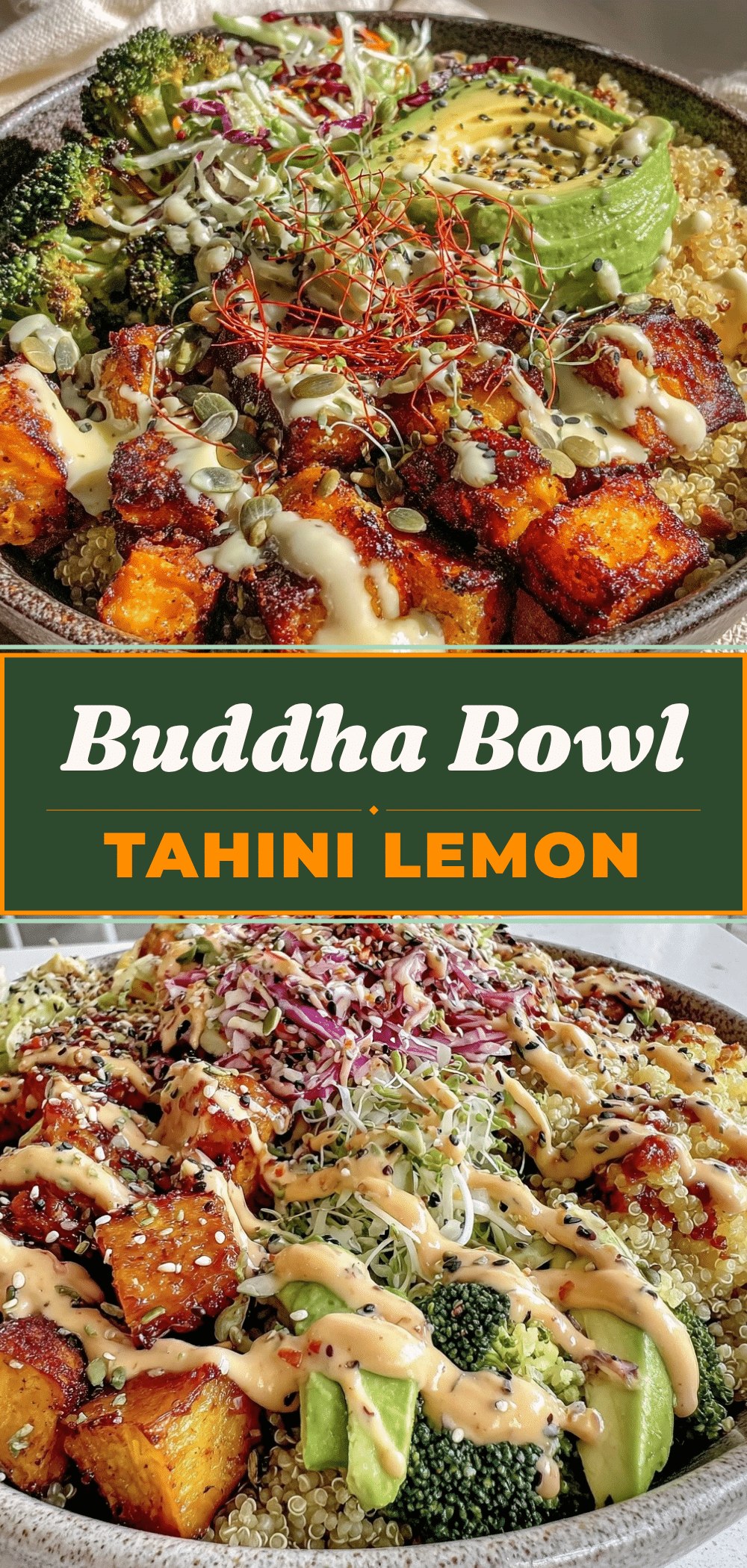

Healthy Vegetarian Buddha Bowl: 10-Min Dinner Party Star
- Total Time: 40 minutes
- Yield: 4 servings 1x
Description
A vibrant, customizable vegetarian buddha bowl featuring roasted sweet potatoes, chickpeas, and fresh veggies over a grain base, finished with a creamy tahini-lemon dressing. It’s a quick, nutritious, and visually stunning meal perfect for weeknights or dinner parties.
Ingredients
- 1 cup dry quinoa or brown rice (180g)
- 2 cups water or low-sodium vegetable broth (480ml)
- 1 large sweet potato, diced (about 300g)
- 1 can chickpeas, drained and rinsed (15oz)
- 1 cup red cabbage, thinly sliced (about 100g)
- 2 medium carrots, julienned or grated (about 150g)
- 2 cups kale or spinach, chopped (about 60g)
- 1/4 cup tahini (60g)
- 3 tablespoons fresh lemon juice (45ml)
- 1 tablespoon maple syrup (15ml)
- 1 clove garlic, minced
- 2–3 tablespoons warm water
- Salt and black pepper to taste
- Olive oil for roasting and massaging kale
Instructions
- Rinse quinoa or rice under cold water. Place in a saucepan with water or broth, bring to a boil, then reduce heat to low, cover, and simmer until cooked (15 mins for quinoa, 40 mins for brown rice). Fluff with a fork and set aside.
- Preheat oven to 400°F (200°C). Toss diced sweet potatoes with olive oil, salt, and pepper on a baking sheet. Roast for 20-25 minutes, flipping halfway, until tender and caramelized.
- While potatoes roast, prep vegetables: tear kale leaves from stems and massage with a pinch of salt and oil. Julienne carrots and shred cabbage.
- In a small bowl, whisk together tahini, lemon juice, maple syrup, minced garlic, and salt. Gradually add warm water while whisking until the dressing reaches a creamy, pourable consistency.
- Assemble bowls by placing a base of warm grains. Top with roasted sweet potatoes, arranged raw veggies (cabbage, kale, carrots), and chickpeas.
- Drizzle generously with tahini-lemon dressing and serve immediately.
Notes
Massage kale with oil and salt to tenderize it. Roasting chickpeas adds extra crunch. Keep dressing separate until serving to prevent sogginess. This recipe is naturally gluten-free if using quinoa or rice and certified gluten-free tahini.
- Prep Time: 15 minutes
- Cook Time: 25 minutes
- Category: Main Course
- Cuisine: American
Nutrition
- Serving Size: 1 bowl
- Calories: 450
- Sugar: 12
- Sodium: 300
- Fat: 15
- Saturated Fat: 2
- Carbohydrates: 65
- Fiber: 12
- Protein: 14
Keywords: vegetarian, buddha bowl, healthy dinner, meal prep, tahini dressing, sweet potato, chickpeas, gluten-free, quick dinner