It was one of those Tuesdays in late October where the wind was howling outside, the sky was that bruised purple color that signals rain, and I was standing in my kitchen staring at a pumpkin that was way too big for just one person. I had bought it on a whim three days prior, drawn in by the festive orange glow in the grocery aisle, completely forgetting that I have zero self-control around seasonal produce. I needed to use it. I needed to make something warm, comforting, and slightly decadent to combat the gray weather. That’s when I decided to stop playing it safe with standard Alfredo sauce and go all-in on a creamy pumpkin version.
I’ll be honest: I was skeptical. Pasta with pumpkin? It sounded like a Thanksgiving side dish waiting to happen, not a weeknight dinner. But then I remembered that time I made cheesy ground beef goulash and realized that comfort food doesn’t have to be boring—it just has to be rich. So, I threw a can of pumpkin puree into my cream sauce, added a pinch of nutmeg (because I’m a little old-school), and threw in a handful of sage leaves. What happened next changed my dinner routine forever.
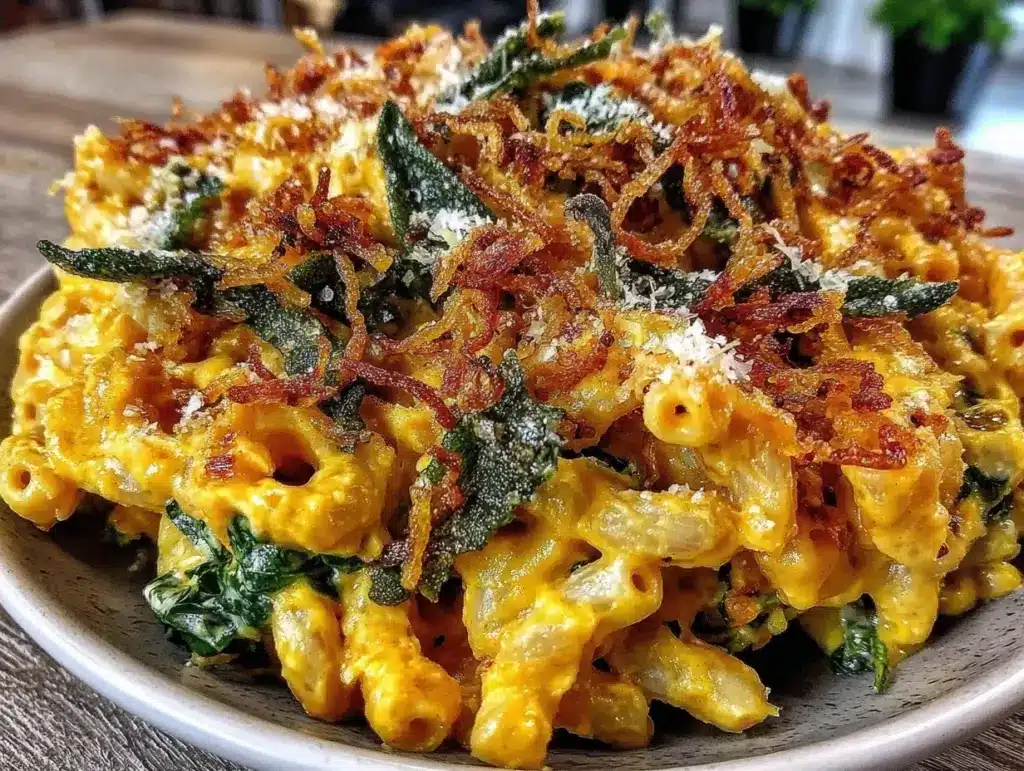
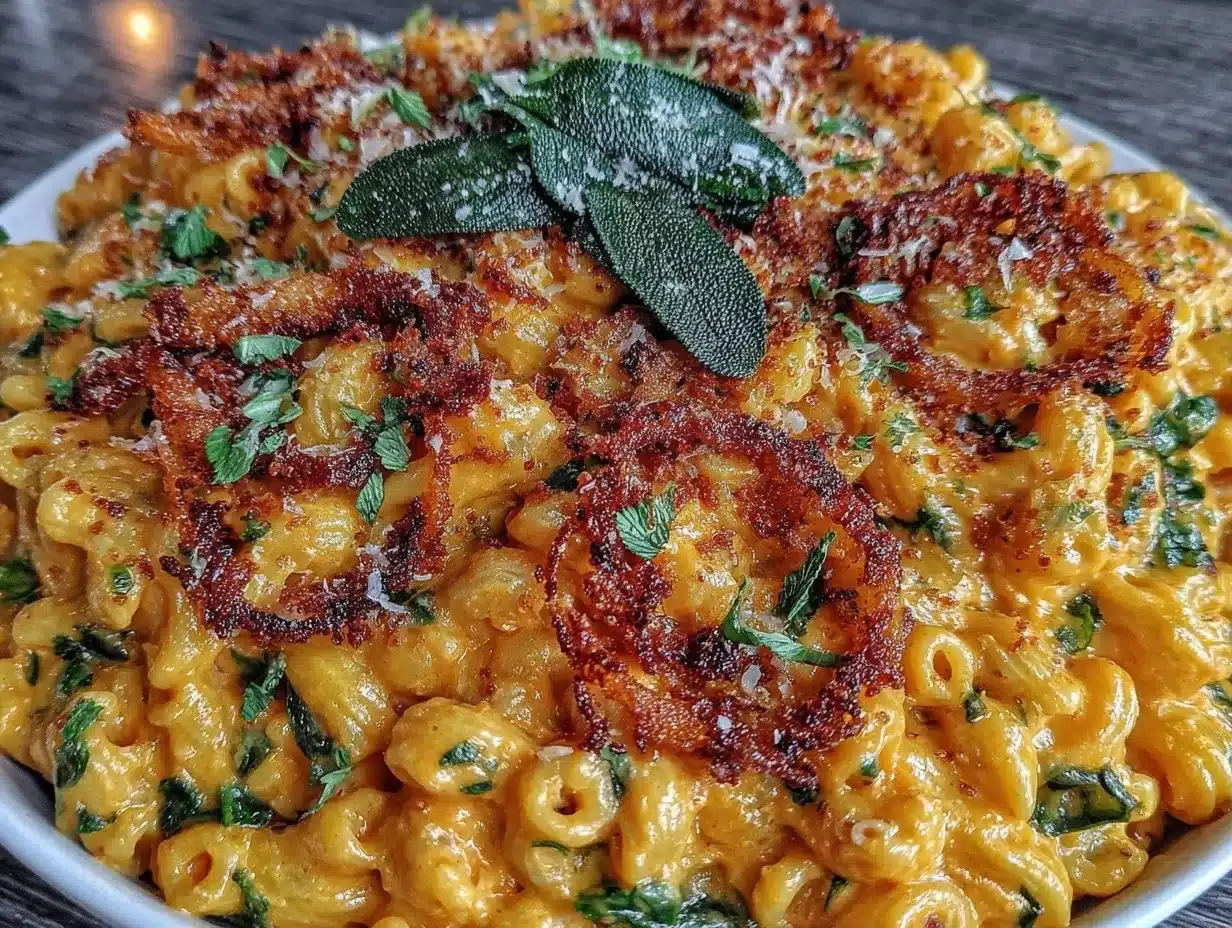
The sauce turned this gorgeous, velvety orange. The pumpkin added a subtle sweetness that balanced the salty Parmesan perfectly. But the real magic? Frying the sage leaves in butter until they were crisp and dark green. When you drop those crispy, aromatic leaves on top of the hot pasta, the scent alone is enough to make your whole house smell like a bakery. This creamy pumpkin alfredo pasta with crispy fried sage has become my go-to when I need a hug in a bowl. It’s fancy enough for company but easy enough for a Tuesday night when you just want to sit on the couch with a glass of wine. I’ve made this at least a dozen times since that rainy Tuesday, and it never gets old.
Why You’ll Love This Pumpkin Alfredo
There are about ten reasons I keep making this recipe, but here are the big ones that keep me coming back to the stove.
- It’s a Flavor Powerhouse — The combination of sweet pumpkin, salty cheese, and earthy sage is unexpected but totally works. It’s not just “pumpkin soup with noodles.” The sage adds a peppery, herbal kick that cuts through the richness of the cream.
- Ready in 20 Minutes — Seriously, if you can boil water, you can make this. The sauce comes together in the time it takes to cook the pasta. I make this on weeknights when I’m exhausted and don’t want to chop a million vegetables.
- Pantry-Friendly Ingredients — You probably have most of this already. Canned pumpkin puree (not pie filling!), heavy cream, Parmesan, and dried or fresh sage are staples I keep on hand. It’s a great way to use up that one can of pumpkin before it expires.
- Visually Stunning — Let’s be real, we eat with our eyes first. The bright orange sauce against the dark green fried sage leaves is Instagram-worthy without any effort. It makes even a simple weeknight dinner feel special.
- Vegetarian Comfort — It’s meat-free but still feels substantial and filling. If you want to add protein, you can toss in some mediterranean shrimp or crispy bacon, but it’s perfect on its own too.
This is my go-to when I need dinner to just work. No complicated techniques, no weird ingredients, just reliable, delicious food that makes everyone happy. Plus, it’s a great excuse to branch out from your usual garlic butter pasta.
Ingredients You’ll Need
Here’s the best part: you probably have most of this already, or it’s a quick trip to the store. I’m particular about three ingredients here, and I’ll tell you exactly why.
For the Pasta
Fettuccine or Pappardelle (1 pound / 450g) — I love wide noodles for this because they hold onto the thick pumpkin sauce beautifully. But honestly, any pasta works. Penne or rigatoni are great too. Just don’t use spaghetti unless you want a slippery mess. I use Barilla fettuccine because it cooks evenly every time.
Salt (2 tablespoons) — For the pasta water. It needs to taste like the ocean. This is non-negotiable for good pasta.
For the Sauce
Unsalted Butter (4 tablespoons / 60g) — This is the base of your sauce. I use unsalted so I can control the sodium. If you run out, you can use oil, but butter makes it richer. Real talk: don’t skimp on the butter here.
Garlic (4 cloves, minced / about 2 tablespoons) — Fresh only. No jarred garlic in this recipe. It tastes metallic and ruins the delicate pumpkin flavor. Minced fine so it melts into the sauce.
Pumpkin Puree (1 cup / 240g) — Make sure it’s 100% pure pumpkin, not pumpkin pie filling. Pie filling has sugar and spices that will make this taste like dessert. I buy the small cans because I only need one cup, and I freeze the rest for soups later.
Heavy Cream (1 cup / 240ml) — Full-fat only. Half-and-half makes it too thin and soupy. Trust me on this. You want that luxurious, coating consistency.
Chicken or Vegetable Broth (½ cup / 120ml) — Low-sodium is best so you can control the saltiness. It thins out the sauce slightly and adds depth.
Parmesan Cheese (1 cup / 100g, freshly grated) — Buy the block and grate it yourself. Pre-grated cheese has anti-caking agents that prevent it from melting smoothly, leaving your sauce grainy. It takes 3 minutes and makes a huge difference.
Seasonings (½ teaspoon each) — Salt, black pepper, and a pinch of nutmeg. The nutmeg is the secret weapon. It enhances the pumpkin flavor without tasting like a spice cake. Just a tiny pinch goes a long way.
For the Crispy Sage
Fresh Sage Leaves (10-12 leaves) — Look for vibrant green leaves, no yellow spots. Fresh is best for frying, but dried sage works in a pinch (just sprinkle it on at the end). I buy fresh sage in the produce section, usually near the basil and rosemary.
Extra Butter (1 tablespoon) — For frying the sage.
Optional Add-ins
Cooked Chicken or Sausage — Leftover rotisserie chicken or crumbled Italian sausage makes this more filling. I often add this when I have guests who are skeptical about vegetarian meals.
Red Pepper Flakes — A little heat cuts through the sweetness of the pumpkin. I always keep these on hand.
Equipment Needed
You don’t need fancy equipment for this. Here’s what I actually use.
Large Pot — I use a 6-quart pot for boiling the pasta. It needs to fit a pound of noodles comfortably with room to move.
Large Skillet or Dutch Oven — 12-inch works best for the sauce. I prefer stainless steel or cast iron, but non-stick works too. You need enough surface area to fry the sage leaves without overcrowding them.
Whisk — Essential for blending the pumpkin and cream smoothly. A fork works, but a whisk prevents lumps.
Sharp Knife and Cutting Board — For mincing garlic and prepping any add-ins.
Microplane or Box Grater — For the Parmesan. A microplane makes it powdery and easy to melt.
Slotted Spoon or Tongs — For removing the fried sage leaves from the butter. You want them crispy, not soggy.
How to Make It: Step-by-Step
Alright, let’s make this! I’m walking you through exactly how I do it, including the little tricks I’ve picked up.
Step 1: Prep Your Sage (5 minutes)
Before you start cooking the pasta, get your sage ready. Wash the leaves and pat them completely dry with paper towels. Moisture is the enemy of crispy sage—if they’re wet, they’ll steam instead of fry. Set them aside on a plate. This step is crucial because once you start cooking the sauce, things move fast.
Step 2: Cook the Pasta (10 minutes)
Bring a large pot of heavily salted water to a boil. Add the pasta and cook according to package directions until al dente. IMPORTANT: Before draining, scoop out 1 cup of pasta water and set it aside. This starchy water is magic for the sauce. Drain the pasta and set aside. Don’t rinse it!
Step 3: Fry the Sage (2 minutes)
In your large skillet, melt 1 tablespoon of butter over medium heat. Once foamy, add the sage leaves in a single layer. Fry them for 30-60 seconds per side until they are dark green and crisp. They will curl up and look almost like chips. Remove them with a slotted spoon and place on a paper towel to drain. Discard the butter or save it for another use (it’s super flavorful!).
Step 4: Build the Sauce (5 minutes)
In the same skillet (or a clean one if you prefer), melt 4 tablespoons of butter over medium-low heat. Add the minced garlic and cook for 1 minute until fragrant but not brown. Browned garlic tastes bitter. Stir in the pumpkin puree, heavy cream, and broth. Whisk constantly to combine. Let it simmer gently for 3-4 minutes until it thickens slightly. The sauce should coat the back of a spoon. If it’s too thick, add a splash of that reserved pasta water.
Step 5: Add the Cheese (2 minutes)
Remove the skillet from heat. This is critical. Add the grated Parmesan gradually, stirring constantly. The residual heat will melt the cheese. If the sauce is too thick, add more pasta water, a tablespoon at a time. The sauce should be creamy and smooth, not clumpy. Season with salt, pepper, and nutmeg.
Step 6: Combine and Serve (2 minutes)
Add the drained pasta to the sauce. Toss everything together until the pasta is well coated. Taste and adjust salt if needed. Serve immediately, topped with the crispy fried sage leaves and an extra dusting of Parmesan. Freshly cracked black pepper is a must.
Total Time: About 20 minutes (10 minutes active, 10 minutes hands-off).
Expert Tips & Tricks
Here’s everything I’ve learned from making this dozens of times. These tips will save you from my mistakes.
Save That Pasta Water — This is the #1 tip. That starchy water is what makes the sauce cling to the pasta perfectly. I forgot it once and the sauce was just okay instead of amazing. Now I set out a measuring cup before I even start cooking so I don’t forget.
Low Heat for Cheese — Always remove from heat before adding cheese. High heat makes cheese grainy and separated. I learned this the hard way with a grainy, broken sauce that looked awful. Let the residual heat do the work.
Don’t Overcook the Sage — Sage leaves burn quickly. Watch them closely. If they start smoking, they’re burnt and bitter. Pull them off the heat as soon as they curl and crisp up.
Room Temperature Cream — Cold cream can make the sauce separate. I take mine out of the fridge 15 minutes before cooking. If I forget, I microwave it for 15 seconds.
Toast Your Spices — If you have whole nutmeg, grate it fresh. Pre-ground nutmeg loses its flavor quickly. Freshly grated nutmeg smells incredible and tastes way better.
Variations & Substitutions
Once you’ve nailed the basic version, here’s how you can mix it up. I’ve tried all of these.
Protein-Packed — Add 2 cups diced cooked chicken or crumbled Italian sausage when you add the pasta. My husband prefers this version—makes it more filling.
Veggie-Loaded — Toss in 2 cups fresh spinach and 1 cup halved cherry tomatoes in the last minute. The spinach wilts right in. This is how I get my kids to eat vegetables.
Lighter Version — Use half-and-half instead of heavy cream, and reduce Parmesan to ½ cup. It’s thinner but still good. I make this when I’m trying to be “healthy.”
Gluten-Free — Use gluten-free pasta. Everything else is naturally gluten-free. I’ve used Barilla gluten-free and it works great.
Dairy-Free — Replace heavy cream with full-fat coconut cream and Parmesan with nutritional yeast (use ½ cup). It’s different but still tasty. My lactose-intolerant friend requests this version.
Cajun Style — Swap nutmeg for Cajun seasoning. Add 1 teaspoon smoked paprika. Totally different vibe—spicy and smoky.
Serving & Storage
How to Serve
I usually serve this straight from the skillet at the dinner table—it looks rustic and stays warm. But here are other ways I’ve enjoyed it:
- Garlic Bread — Obviously. I love my garlic parmesan pull-apart bread on the side for dipping.
- Simple Green Salad — A crisp arugula salad with lemon vinaigrette cuts through the richness.
- Roasted Vegetables — Roasted Brussels sprouts or broccoli work well.
Wine Pairing: Not a wine expert, but my wine-snob friend says Pinot Grigio or a light Chardonnay works great with this.
Storage Instructions
Refrigerator: Store in an airtight container for up to 4 days. The sauce will thicken in the fridge—totally normal.
Reheating: Best method: Add to a skillet with a splash of milk or cream over low heat. Stir until heated through and creamy again. Microwave method: Heat in 30-second intervals, stirring between. Add a splash of milk if it’s too thick. Never works: Trying to reheat in the pot you cooked it in. It always burns on the bottom. Ask me how I know.
Freezing: Honestly, this doesn’t freeze well because of the dairy. The sauce separates when thawed. Make it fresh or store in the fridge for up to 4 days.
Nutrition Information
I’m not a nutritionist, but here’s the breakdown if you’re tracking.
Per Serving (based on 6 servings):
- Calories: 480
- Protein: 16g
- Carbs: 52g
- Fiber: 3g
- Sugar: 4g
- Fat: 22g
- Saturated Fat: 12g
- Cholesterol: 60mg
- Sodium: 450mg
- Calcium: 280mg
Look, this is comfort food with cream and cheese. It’s not a diet recipe. But it’s way better than takeout, costs less, and I know exactly what’s in it. When I want to make it lighter, I use the half-and-half version and load up on vegetables. But usually? I just eat a reasonable portion and enjoy it.
Final Thoughts
So that’s my go-to creamy pumpkin alfredo pasta with crispy fried sage! I’ve probably talked your ear off at this point, but when you make a recipe this often, you have a lot to say about it. This has saved weeknight dinners more times than I can count. It’s my answer to “what’s for dinner” when I’m tired, don’t want takeout, and still want something that tastes really good. My kids are happy, my husband’s happy, and I’m happy because I’m not stressed about cooking.
Make it yours! Try different add-ins, swap in your favorite vegetables, adjust the garlic (though more is always better in my opinion). The best recipes are the ones you adapt to your family’s tastes. If you make this, drop a comment and let me know what you think! I love hearing how recipes turn out in your kitchen. And if something doesn’t work, tell me that too—I’m here to help troubleshoot.
Happy cooking! And I hope your kitchen smells half as good as mine does right now.
Frequently Asked Questions
Q: Can I use milk instead of heavy cream?
A: You can, but the sauce will be much thinner and less rich. If you want to try it, use whole milk (not skim) and add 2 tablespoons of flour to thicken it. Whisk the flour into the milk before adding to the pan. I’ve done this when I ran out of cream—it works okay, just not as good as the real thing. Half-and-half is a better middle ground.
Q: My sauce came out watery—what happened?
A: Usually means you didn’t let it simmer long enough to thicken, or you added too much pasta water at the end. Let the cream mixture simmer for a full 3-4 minutes before adding cheese. If it’s already watery, turn up the heat and let it reduce for another few minutes. The cheese will also thicken it up.
Q: Can I make this ahead for a dinner party?
A: Sort of. Make the sauce up to 2 days ahead and store in the fridge. Cook the pasta fresh right before serving (takes 10 minutes). Reheat the sauce gently and toss with hot pasta. It won’t be quite as good as fresh, but it’s close and saves you stress during the party. I do this all the time.
Q: Why did my sauce get grainy/lumpy?
A: The heat was too high when you added the cheese, which made it seize up. Parmesan needs gentle heat. Always remove the pan from the burner before adding cheese, then stir it in off heat. If it’s already grainy, try whisking in a splash of warm cream—sometimes you can save it.
Q: Can I use jarred garlic?
A: You can, but fresh tastes so much better in this recipe. Jarred garlic has a weird metallic taste that really shows up in cream sauces. If you must use it, use half the amount because it’s stronger. But honestly, mincing 6 cloves takes like 2 minutes. Buy pre-peeled garlic cloves if you want to save time.
Q: How do I reheat leftovers without it getting dry?
A: Add a splash of milk or cream to a skillet, add your leftover pasta, and heat gently over low heat, stirring frequently. The extra liquid brings back the creamy texture. Microwave sort of works but tends to dry it out. If you do microwave, definitely add a splash of milk first and heat in short bursts, stirring between.
Q: Can I double this recipe?
A: Absolutely! Double everything and use your biggest pot. The cooking times stay the same. I do this when I’m meal-prepping or feeding a crowd. Just make sure your skillet is big enough for the sauce—you might need to use two pans or a very large skillet.
Pin This Recipe!
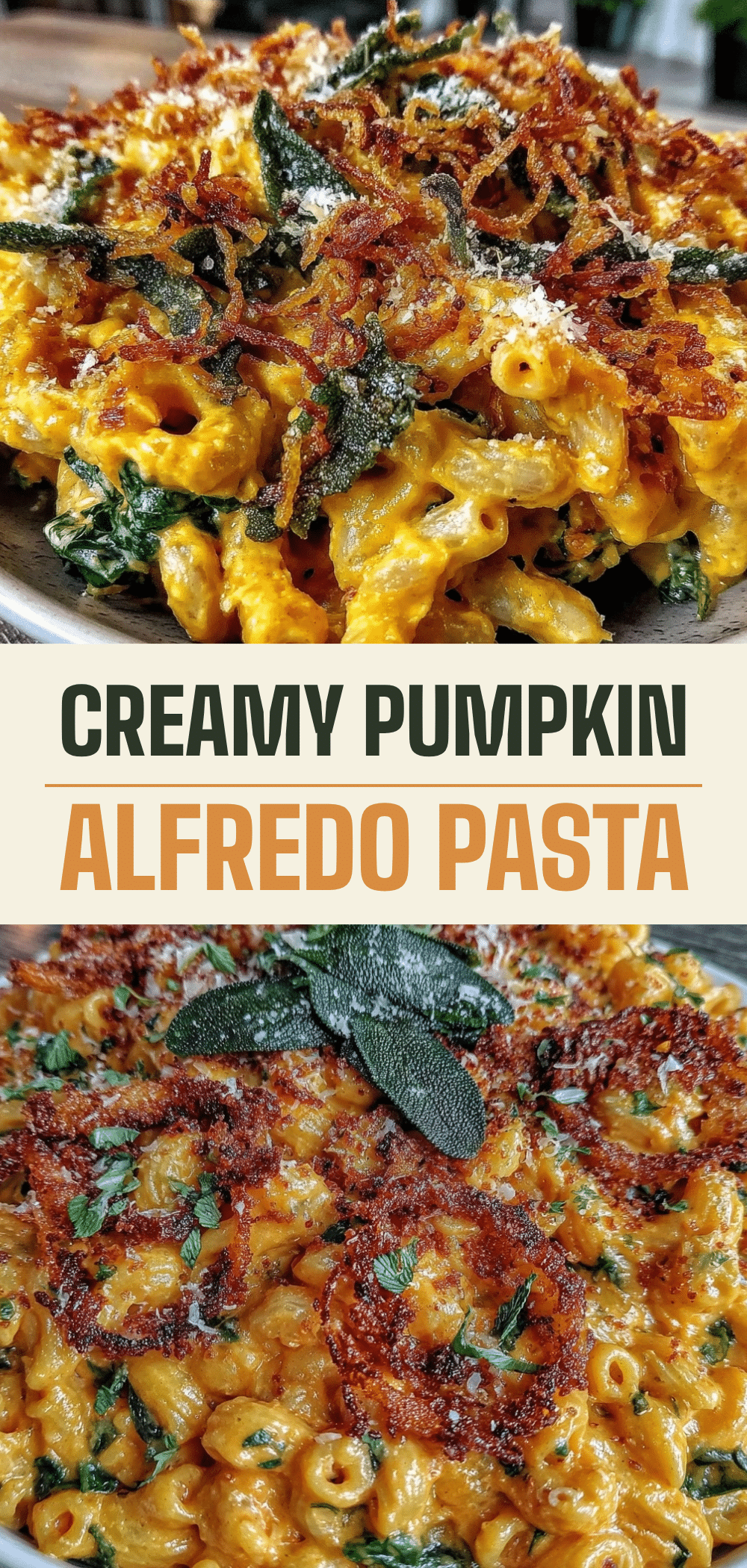

Creamy Pumpkin Alfredo Pasta: Easy Crispy Sage
- Total Time: 20 minutes
- Yield: 6 servings 1x
Description
A rich and comforting weeknight dinner featuring wide noodles tossed in a velvety pumpkin and Parmesan sauce, topped with crispy fried sage leaves for an aromatic finish.
Ingredients
- 1 pound Fettuccine or Pappardelle
- 2 tablespoons Salt (for pasta water)
- 4 tablespoons Unsalted Butter (for sauce)
- 4 cloves Garlic, minced
- 1 cup Pumpkin Puree (100% pure, not pie filling)
- 1 cup Heavy Cream
- 1/2 cup Chicken or Vegetable Broth (low-sodium)
- 1 cup Parmesan Cheese, freshly grated
- 1/2 teaspoon Salt (for sauce)
- 1/2 teaspoon Black Pepper
- 1 pinch Nutmeg
- 10–12 Fresh Sage Leaves
- 1 tablespoon Extra Butter (for frying sage)
Instructions
- Wash and pat dry the sage leaves completely to ensure they crisp up properly.
- Bring a large pot of heavily salted water to a boil. Add pasta and cook until al dente. Before draining, reserve 1 cup of pasta water.
- In a large skillet, melt 1 tablespoon of butter over medium heat. Fry sage leaves in a single layer for 30-60 seconds per side until dark green and crisp. Remove with a slotted spoon and drain on paper towels.
- In the same skillet, melt 4 tablespoons of butter over medium-low heat. Add minced garlic and cook for 1 minute until fragrant but not brown.
- Stir in pumpkin puree, heavy cream, and broth. Whisk constantly and simmer gently for 3-4 minutes until the sauce thickens slightly.
- Remove the skillet from heat. Gradually add grated Parmesan, stirring constantly until melted and smooth. Season with salt, pepper, and nutmeg. Add reserved pasta water if the sauce is too thick.
- Add the drained pasta to the sauce and toss to coat evenly.
- Serve immediately, topped with the crispy fried sage leaves and extra Parmesan.
Notes
Use 100% pure pumpkin puree, not pumpkin pie filling. Ensure sage leaves are completely dry before frying to prevent steaming. Remove pan from heat before adding cheese to prevent graininess. The sauce does not freeze well due to the dairy content.
- Prep Time: 5 minutes
- Cook Time: 15 minutes
- Category: Main Course
- Cuisine: Italian
Nutrition
- Serving Size: 1 serving
- Calories: 480
- Sugar: 4
- Sodium: 450
- Fat: 22
- Saturated Fat: 12
- Carbohydrates: 52
- Fiber: 3
- Protein: 16
Keywords: pumpkin alfredo, creamy pasta, crispy sage, vegetarian dinner, weeknight meals, comfort food, pumpkin recipe