It was 10 AM on a rainy Sunday, and I was staring into my pantry with that specific, hollow feeling you get when you’ve promised company but forgot to shop. My sister was coming over for brunch, and I had promised something “special.” Not pancakes—those are too casual. Not a quiche—too much work for a lazy morning. I needed something that looked like it came from a fancy café but could be thrown together before my coffee got cold.
I reached for a bottle of extra virgin olive oil, the good stuff I’d bought on a whim last week, and a bag of oranges. I didn’t have butter. I didn’t have milk. But I had eggs, sugar, flour, and that olive oil. I mixed it all in one bowl, poured it into a pan, and waited.
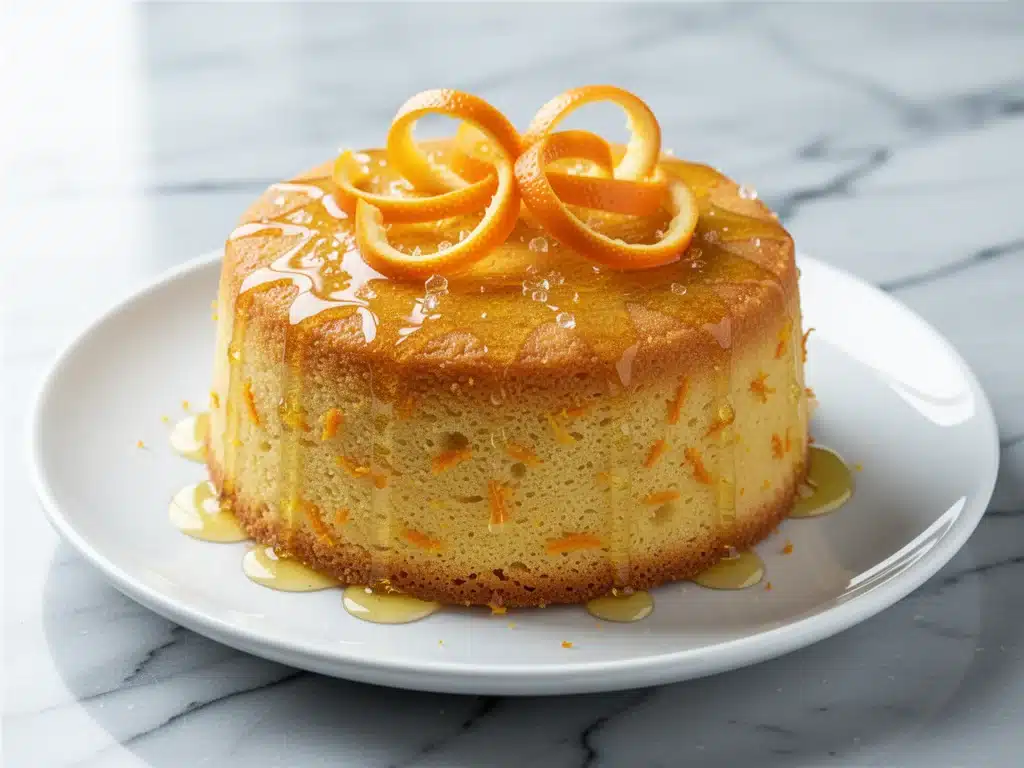
When I pulled it out of the oven, the kitchen smelled like a summer day in Italy. But the real magic happened when I drizzled the bright citrus syrup over the hot cake. It didn’t just sit on top; it sank in, turning every crumb into something tender, moist, and impossibly flavorful. My sister took one bite and stopped talking. That’s the good kind of silence.
This ultra-moist orange olive oil cake has become my secret weapon for weekends when I want to impress without stress. It’s lighter than a traditional butter cake, more fragrant than a standard loaf, and honestly? It’s better than anything you’ll find at a bakery. I’ve made it so many times that I can probably do it with my eyes closed, but I’ve tweaked the ratios a dozen times to get that perfect balance of tangy syrup and tender crumb. If you’ve ever wondered why restaurant cakes taste so good, it’s usually the syrup. And here, you control every drop.
Why You’ll Love This Ultra-Moist Orange Olive Oil Cake
There are about ten reasons I keep making this cake, but let’s be real—you need the big ones to convince you to preheat the oven.
It’s Actually Moist (Not Dry) — Most orange cakes end up dry because they rely on butter, which can solidify and create a dense texture. Olive oil stays liquid at room temperature, keeping the crumb soft and tender for days. I’ve left slices on the counter for three days, and they’re still soft. Try that with a butter cake.
Bright, Not Overpowering — The key is the syrup. We don’t just zest the oranges; we juice them and mix it with sugar to make a syrup that soaks into the warm cake. It adds a tangy brightness that cuts through the richness. It’s like a hug from the Mediterranean.
One Bowl, No Mixer — Seriously. You don’t need a stand mixer. You don’t even need a hand mixer. Just a whisk and a large bowl. I mix the batter while listening to a podcast, and it’s done in five minutes. This is the easiest cake recipe I own, and I’ve tried the easy one bowl banana bread too, but this is even faster.
Perfect for Any Occasion — It’s elegant enough for a bridal shower brunch but casual enough for a Tuesday treat. I’ve served it with just a dusting of powdered sugar for a fancy crowd and with whipped cream for my kids. Both times, the plates were clean.
Make-Ahead Friendly — This cake actually tastes better the next day. The syrup continues to soak in, and the flavors meld. I often make it the night before and let it cool on the counter. In the morning, I just slice and serve. It’s my go-to when I want to sleep in.
This is my go-to when I need a dessert to just work. No complicated techniques, no weird ingredients, just reliable, delicious food that makes everyone happy. It’s lighter than a churro cheesecake bar but just as satisfying.
Ingredients You’ll Need for the Best Orange Cake
Here’s the best part: you probably have most of this already. This isn’t a recipe that requires a trip to three different specialty stores. It’s pantry staples with a couple of fresh touches.
For the Cake Base
Extra Virgin Olive Oil (1/2 cup / 120ml) — This is the star. Don’t use cheap, bitter oil. Use something fruity and mild. I love a Spanish or Italian olive oil that tastes like green grass. It adds a subtle savoriness that balances the sweet oranges. If you’re worried about the taste, don’t be—it disappears into the background and adds moisture.
Large Eggs (3 large) — Room temperature eggs mix better and create a smoother batter. I take them out of the fridge while the oven preheats. Don’t skip this; cold eggs can cause the batter to split.
Granulated Sugar (1 cup / 200g) — This provides sweetness and helps with the texture. Don’t reduce it too much, or the cake won’t stay moist. I use regular white sugar, but you can use organic if you prefer.
All-Purpose Flour (1 1/2 cups / 190g) — Standard flour works perfectly. Spoon it into the cup and level it off. Don’t scoop and pack, or you’ll end up with a dense cake. I always use Gold Medal flour because it’s consistent.
Baking Powder (1 1/2 teaspoons) — This is what makes the cake rise. Make sure it’s fresh! Old baking powder won’t give you that fluffy lift. I check the date on my can every time I bake.
Salt (1/2 teaspoon) — Essential for bringing out the flavor of the oranges. It balances the sweetness.
For the Bright Citrus Syrup
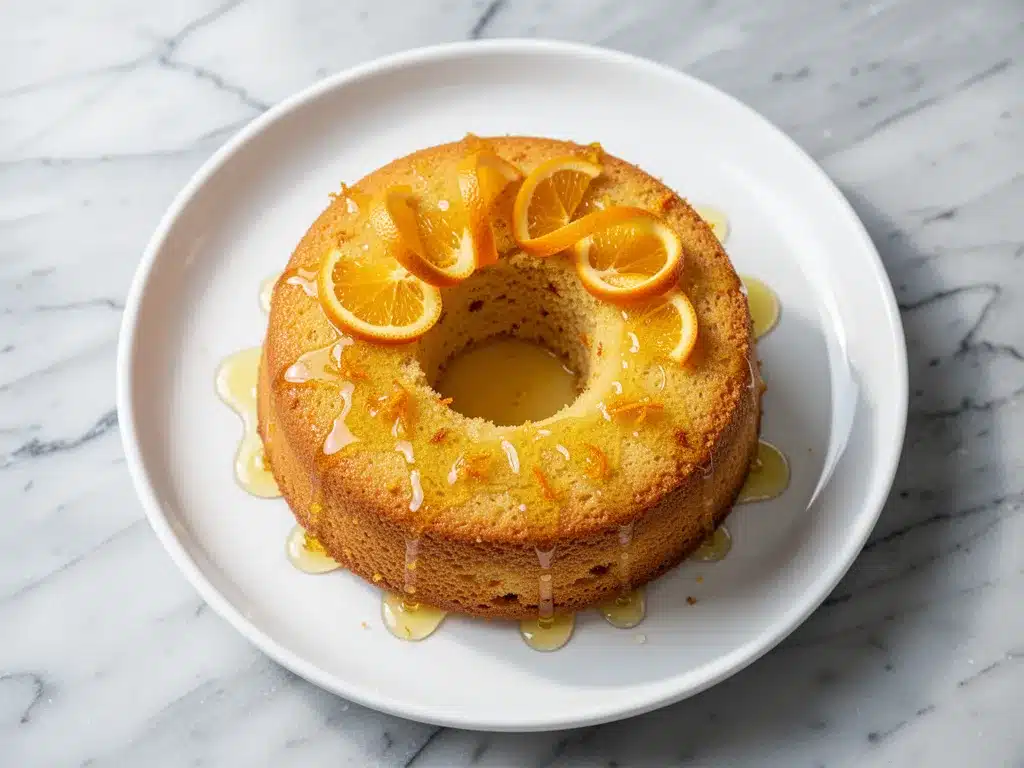
Fresh Oranges (2 medium) — You need both zest and juice. Don’t use bottled juice. It tastes metallic and artificial. The zest contains the oils that give the cake its intense orange flavor.
Granulated Sugar (1/2 cup / 100g) — For the syrup. This will dissolve into the warm cake.
Water (2 tablespoons) — Helps the sugar dissolve smoothly.
Optional Add-ins
Poppy Seeds (1 tablespoon) — I love the slight crunch and the visual appeal. It’s a classic combo with orange. If you’re not a fan, skip it.
Vanilla Extract (1 teaspoon) — Adds warmth. I use pure vanilla, not imitation.
Almond Extract (1/2 teaspoon) — Just a tiny bit enhances the orange flavor. It’s a pro tip from my baker friend. Don’t overdo it, or it tastes like marzipan.
Common Questions
Can I use lemon instead of orange? Yes, but orange is sweeter and milder. Lemon is more acidic and might need a bit more sugar in the syrup.
What if I don’t have olive oil? You can use vegetable oil or canola oil, but you’ll lose that subtle fruity depth. Olive oil is what makes this cake special.
Where do I find good olive oil? Look for a bottle with a harvest date. Dark glass bottles protect the oil from light. I buy mine at a local market, but any reputable brand works.
Equipment Needed
You don’t need fancy equipment for this. Here’s what I actually use.
9-Inch Round Cake Pan — I use a standard metal pan. Glass pans take longer to bake and might brown the bottom too much. If you use glass, reduce the oven temp by 25 degrees.
Parchment Paper — I line the bottom of the pan. It guarantees easy removal. I don’t grease the sides, just the bottom.
Large Mixing Bowl — Any bowl that’s big enough to whisk vigorously without splashing.
Whisk — A balloon whisk is best for incorporating air into the eggs and sugar.
Zester or Microplane — For the orange zest. A microplane gives the finest zest, which disperses better in the batter.
Measuring Cups and Spoons — Standard stuff. Dollar store versions work fine.
Saucepan — Small one for the syrup. Non-stick is easiest.
Pastry Brush — Optional, but helpful for brushing syrup onto the cake evenly.
How to Make It: Step-by-Step
Alright, let’s make this! I’m walking you through exactly how I do it, including the little tricks I’ve picked up.
Step 1: Prep Your Pan and Oven (5 minutes)
Preheat your oven to 350°F (175°C). Line the bottom of a 9-inch round cake pan with parchment paper. I don’t grease the sides because the batter needs to cling to the pan to rise properly. If you grease the sides, the cake might collapse.
Step 2: Make the Citrus Syrup (5 minutes)
While the oven preheats, make the syrup. In a small saucepan, combine the orange juice, sugar, and water. Heat over medium heat, stirring until the sugar dissolves. Once it simmers, let it cook for 2 minutes. Remove from heat and set aside. It should be thin, like water. This syrup will soak into the cake, so don’t skip this step.
Step 3: Mix the Wet Ingredients (3 minutes)
In your large bowl, whisk the eggs and sugar together vigorously for about 2 minutes. You want the mixture to become pale and slightly fluffy. This incorporates air, which helps the cake rise. Add the olive oil, orange zest, vanilla, and almond extract (if using). Whisk until combined. The mixture might look slightly curdled—that’s okay. It will smooth out when you add the flour.
Step 4: Add the Dry Ingredients (2 minutes)
Sift the flour, baking powder, and salt over the wet mixture. Gently fold them in with a spatula or whisk. Don’t overmix! Just mix until you no longer see streaks of flour. Overmixing develops gluten, which makes the cake tough. We want tender, not chewy.
Step 5: Bake the Cake (30-35 minutes)
Pour the batter into the prepared pan. Smooth the top with a spatula. Bake for 30-35 minutes. The cake is done when a toothpick inserted into the center comes out clean or with a few moist crumbs (no wet batter). The edges should pull away slightly from the pan. Don’t overbake, or it will dry out.
Step 6: Soak the Cake (5 minutes)
This is the most important step. While the cake is still hot, poke holes all over the top with a skewer or toothpick. Don’t go all the way through, just deep enough to create channels. Slowly pour the citrus syrup over the hot cake. It will sizzle and soak in. Let it cool in the pan for 10 minutes, then turn it out onto a wire rack to cool completely.
Step 7: Serve
Once cooled, slice and serve. I dust it with powdered sugar for a simple finish. It’s beautiful and lets the orange flavor shine.
Expert Tips & Tricks for Success
Here’s everything I’ve learned from making this dozens of times. These tips will save you from my mistakes.
Room Temperature Ingredients — Eggs and oil mix better at room temperature. If your eggs are cold, the batter might split. I always take them out 30 minutes before baking.
Don’t Skip the Zest — The zest contains the essential oils. The juice is for the syrup, but the zest is for the cake. Use a microplane for the finest zest, which disperses evenly. Avoid the white pith, which is bitter.
Poke Holes for the Syrup — If you don’t poke holes, the syrup will just sit on top. Poking creates channels for the syrup to penetrate the crumb. Be generous with the holes.
Soak While Hot — The cake needs to be hot to absorb the syrup. If it cools down, the syrup will sit on top and make it soggy. Soak it immediately after baking.
Storage — Store in an airtight container at room temperature for up to 3 days. It actually gets better after a day as the flavors meld.
Freezing — You can freeze the cake (without syrup) for up to 2 months. Thaw at room temperature, then add the syrup. The texture holds up well.
Variations & Substitutions
Once you’ve nailed the basic version, here’s how you can mix it up. I’ve tried all of these.
Lemon Olive Oil Cake — Swap oranges for lemons. Use the zest and juice of 3 lemons for the batter and make a lemon syrup. It’s tangier and more refreshing.
Blueberry Orange Cake — Toss 1 cup of fresh blueberries in 1 tablespoon of flour, then fold them into the batter. The blueberries add bursts of sweetness.
Coconut Version — Replace half the olive oil with melted coconut oil and add 1/2 cup of shredded coconut to the batter. It’s tropical and delicious.
Gluten-Free — Use a 1:1 gluten-free flour blend. The texture might be slightly denser, but it’s still moist and tasty.
Dairy-Free — This recipe is already dairy-free! Just make sure your olive oil and other ingredients are certified dairy-free if you have severe allergies.
Chocolate Drizzle — After soaking with syrup, drizzle melted dark chocolate over the top. It’s rich and decadent.
Serving & Storage
How to Serve: I usually serve this straight from the wire rack at the dinner table. It looks rustic and stays warm. But here are other ways I’ve enjoyed it:
Side Dishes: It pairs well with fresh berries, whipped cream, or a scoop of vanilla ice cream. I also serve it with a cup of tea or coffee.
Toppings Bar: When I have guests, I put out: powdered sugar, fresh berries, whipped cream, and orange slices. Everyone customizes their slice.
Storage Instructions: Store in an airtight container at room temperature for up to 3 days. Do not refrigerate, as it will dry out the cake. If you live in a hot climate, you might need to refrigerate it, but bring it to room temperature before serving.
Reheating: You don’t need to reheat it. It’s best at room temperature. If you want it warm, microwave a slice for 10 seconds. Don’t overheat, or the syrup will become runny.
Freezing: Wrap the cake tightly in plastic wrap and then aluminum foil. Freeze for up to 2 months. Thaw at room temperature before adding syrup.
Nutrition Information
I’m not a nutritionist, but here’s the breakdown if you’re tracking.
Per Serving (based on 8 servings):
– Calories: 320
– Protein: 4g
– Carbs: 45g
– Fiber: 1g
– Sugar: 32g
– Fat: 14g
– Saturated Fat: 2g
– Cholesterol: 45mg
– Sodium: 180mg
What’s Good: It’s lighter than a butter cake. The olive oil provides healthy fats. It’s naturally dairy-free.
What to Know: Higher in sugar due to the syrup. Use less syrup if you’re watching sugar. Contains gluten.
My Take: Look, this is a cake. It’s sweet and indulgent. But it’s made with real ingredients and olive oil, which is better than processed fats. When I make it, I cut small slices and enjoy them slowly. It’s a treat, not a meal.
Final Thoughts
So that’s my ultra-moist orange olive oil cake! I’ve probably talked your ear off at this point, but when you make a recipe this often, you have a lot to say about it.
This has saved weekend brunches more times than I can count. It’s my answer to “what’s for dessert” when I want something special but don’t want to spend hours in the kitchen. My family is happy, my guests are impressed, and I’m happy because I’m not stressed about cooking.
Make it yours! Try different citrus, add berries, or drizzle chocolate. The best recipes are the ones you adapt to your family’s tastes.
If you make this, drop a comment and let me know what you think! I love hearing how recipes turn out in your kitchen. And if something doesn’t work, tell me that too—I’m here to help troubleshoot.
Happy baking! And I hope your kitchen smells half as good as mine does right now.
Frequently Asked Questions
Q: Can I use bottled orange juice?
A: You can, but fresh is so much better. Bottled juice lacks the bright, fresh flavor and might have preservatives that affect the taste. If you must use bottled, choose one with no added sugar and heat it to reduce the water content.
Q: Why did my cake sink in the middle?
A: This usually happens if the oven temp was too high or if you opened the oven door too early. Don’t open the door for the first 20 minutes. Also, make sure your baking powder is fresh.
Q: Can I make this in a loaf pan?
A: Yes! Use a 9×5 inch loaf pan. Bake for 45-50 minutes. The syrup will still work, but you might need to adjust the amount if the surface area is different.
Q: How do I store leftovers?
A: Store in an airtight container at room temperature for up to 3 days. Do not refrigerate. If you need to store it longer, freeze it without the syrup.
Q: Can I use lemon oil instead of olive oil?
A: Lemon oil is very potent and might overpower the cake. I recommend using regular olive oil and adding lemon zest instead. If you want a citrus oil, use a mild one.
Q: Is this cake healthy?
A: It’s made with olive oil, which is healthier than butter. But it’s still a cake with sugar and flour. Enjoy it in moderation. It’s a better option than many store-bought cakes.
Q: Can I double the recipe?
A: Yes, but you’ll need two pans. Bake them at the same time, but check for doneness a few minutes earlier, as smaller pans bake faster.
Pin This Recipe!
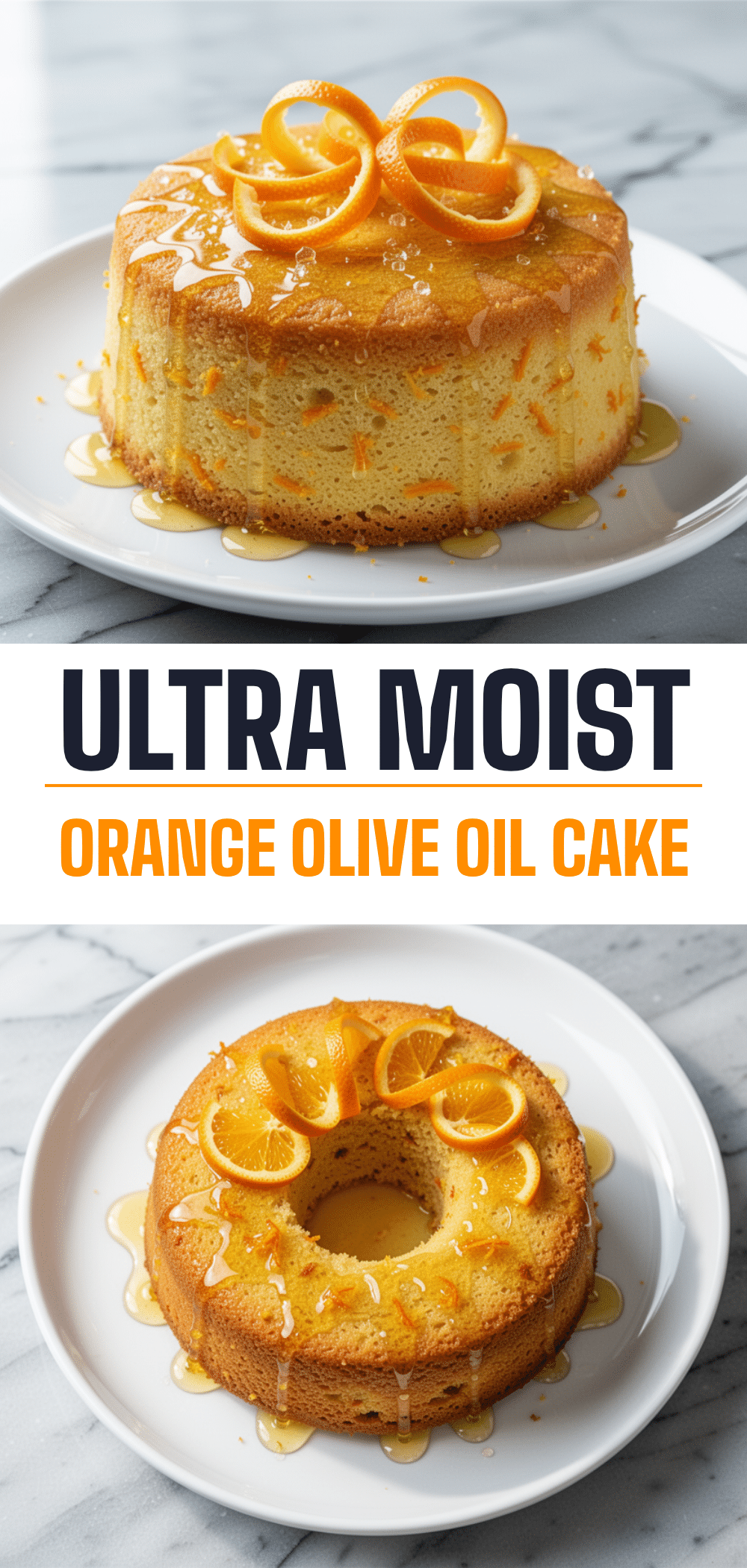

Ultra-Moist Orange Olive Oil Cake: Easy Homemade
- Total Time: 45-50 minutes
- Yield: 8 servings 1x
Description
An incredibly moist and flavorful orange cake made with olive oil instead of butter, featuring a bright citrus syrup soak. It requires only one bowl, no mixer, and results in a tender, bakery-quality dessert.
Ingredients
- 1/2 cup extra virgin olive oil
- 3 large eggs, room temperature
- 1 cup granulated sugar
- 1 1/2 cups all-purpose flour
- 1 1/2 teaspoons baking powder
- 1/2 teaspoon salt
- 2 medium fresh oranges (zest and juice)
- 1/2 cup granulated sugar (for syrup)
- 2 tablespoons water (for syrup)
- 1 tablespoon poppy seeds (optional)
- 1 teaspoon vanilla extract (optional)
- 1/2 teaspoon almond extract (optional)
Instructions
- Preheat oven to 350°F (175°C). Line the bottom of a 9-inch round cake pan with parchment paper.
- In a small saucepan, combine orange juice, 1/2 cup sugar, and water. Heat over medium until sugar dissolves and simmer for 2 minutes. Remove from heat.
- In a large bowl, whisk eggs and 1 cup sugar vigorously for 2 minutes until pale and fluffy.
- Add olive oil, orange zest, vanilla, and almond extract to the egg mixture. Whisk until combined.
- Sift flour, baking powder, and salt over the wet ingredients. Gently fold in until just combined, being careful not to overmix.
- Pour batter into the prepared pan and smooth the top.
- Bake for 30-35 minutes, or until a toothpick inserted in the center comes out clean.
- While the cake is still hot, poke holes all over the top with a skewer.
- Slowly pour the warm citrus syrup over the hot cake to soak in.
- Let cool in the pan for 10 minutes, then turn out onto a wire rack to cool completely.
- Dust with powdered sugar and serve.
Notes
Ensure eggs are at room temperature to prevent the batter from splitting. Do not grease the sides of the pan to allow the cake to climb. Poke holes in the cake while it is hot to ensure the syrup absorbs properly. Store in an airtight container at room temperature for up to 3 days.
- Prep Time: 15 minutes
- Cook Time: 30-35 minutes
- Category: Dessert
- Cuisine: Italian
Nutrition
- Serving Size: 1 slice
- Calories: 320
- Sugar: 32
- Sodium: 180
- Fat: 14
- Saturated Fat: 2
- Carbohydrates: 45
- Fiber: 1
- Protein: 4
Keywords: orange cake, olive oil cake, moist cake, one bowl cake, citrus syrup, dairy-free dessert, easy baking