Last Tuesday, I was standing in my kitchen at 6:45 PM, staring into the open fridge with the hollow look of someone who has already decided to order takeout. You know the look. My husband had texted me three times asking “what’s for dinner?” and my brain was completely fried from a day of back-to-back Zoom calls. I didn’t have energy to chop vegetables, I didn’t want to deal with a mountain of dishes, and quite honestly, I didn’t want to eat another sad desk salad.
Then I saw a frozen fillet of salmon and a bunch of asparagus that was slowly turning into green mush in the crisper drawer. I thought, “Well, this is it. This is the dinner. It’s going to be mediocre at best.”
But then I remembered a tip I’d saved from a cooking video months ago about using a creamy garlic butter sauce to mask any “fishy” smells and add richness. I decided to throw it all in one pan. I didn’t even plan to write it down. I just threw the salmon in, poured the sauce over it, tossed the asparagus in the same skillet, and walked away for 20 minutes.
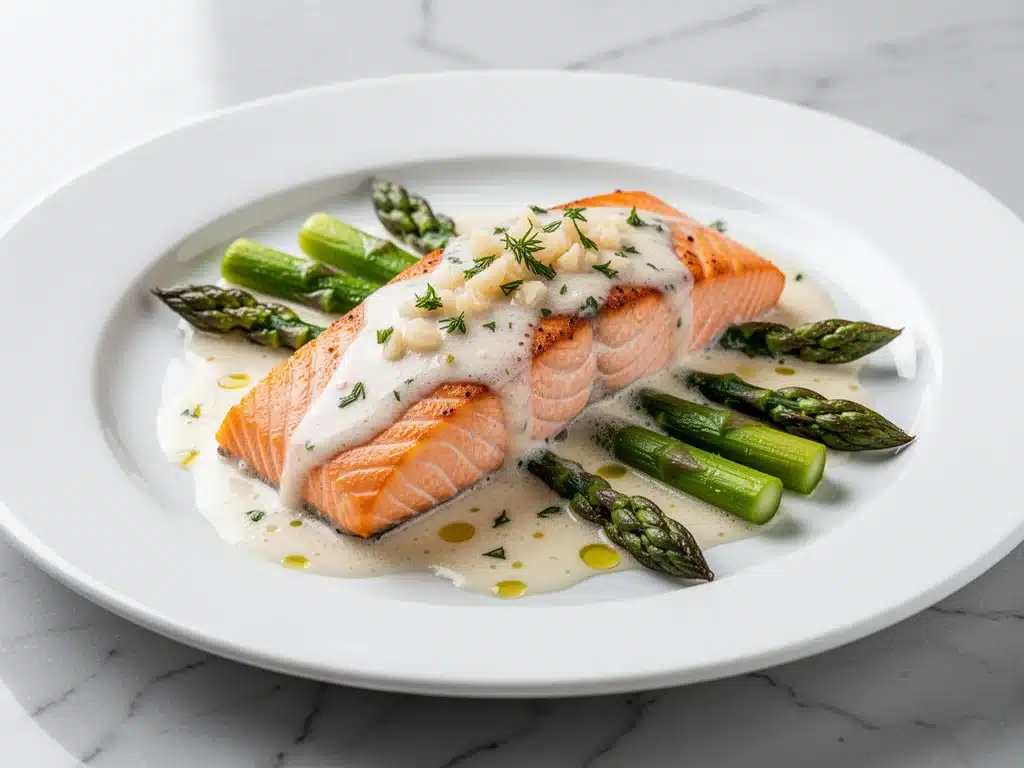
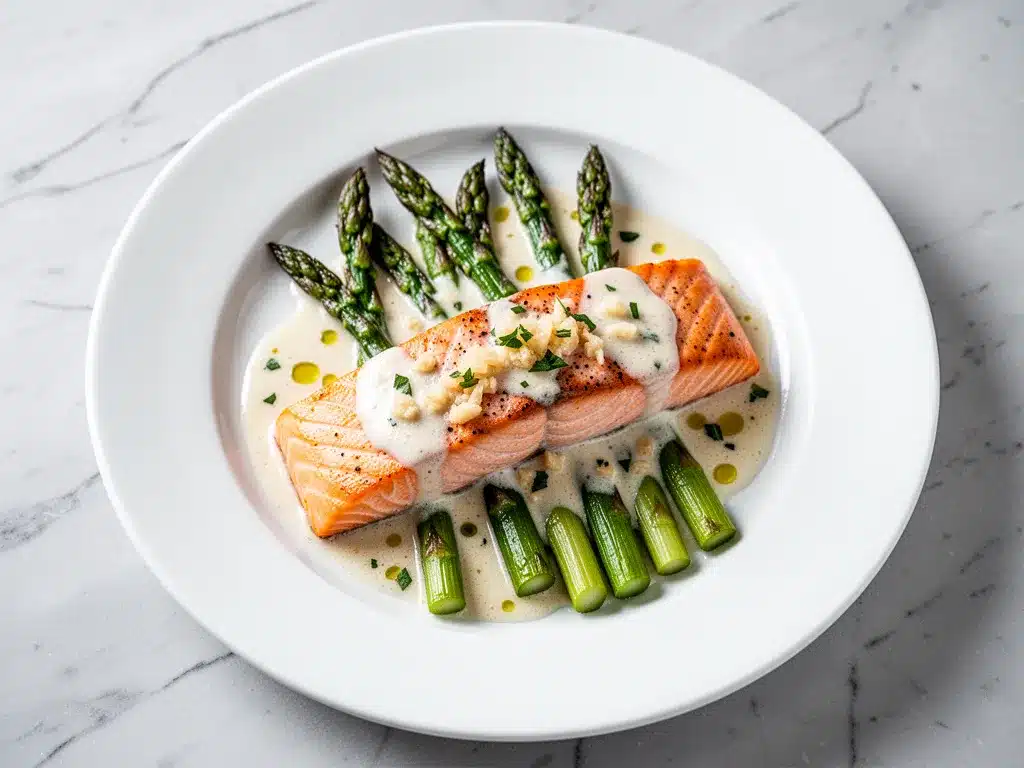
When I walked back in, my kitchen smelled like a fancy French bistro. The salmon was flaky, the asparagus was crisp-tender, and the sauce? Oh, the sauce was the star. It was garlicky, buttery, and so creamy that my husband actually stopped scrolling through his phone to ask for seconds. We ate it straight from the pan because there were no other dishes to wash. That night, I discovered One-Pan Creamy Garlic Butter Salmon with Asparagus, and it has been my go-to rescue dinner ever since.
I’ve made this recipe at least fifteen times in the last six months. Some nights I use thick-cut salmon steaks, some nights I use thin fillets. Some nights the asparagus is fresh from the farmers market, other nights it’s from the grocery store cooler. It always works. It always tastes incredible. And it always, always uses just one pan.
Why You’ll Love This One-Pan Creamy Garlic Butter Salmon with Asparagus
Let’s be real for a second. Most salmon recipes feel like a project. You have to sear it, then make a separate sauce, then roast the veggies separately. That’s too much work on a Tuesday. This recipe is different. Here’s why this one-pan creamy garlic butter salmon with asparagus has earned a permanent spot in my weekly rotation:
- Zero Cleanup Stress — Seriously. One skillet. That’s it. If you have a large cast-iron skillet or a deep non-stick pan, you’re golden. I love throwing it all in there and not having to scrub three different pots afterward. It’s the kind of victory that makes you actually want to cook on weeknights.
- Restaurant-Quality Flavor in 30 Minutes — The sauce is rich, garlicky, and luxurious without being heavy. The butter and cream reduce down to coat the fish perfectly. It tastes like something you’d pay $28 for at a seafood restaurant, but it costs a fraction of that and takes half the time.
- Healthy Without Being Sad — Salmon is packed with omega-3s, and asparagus is a nutritional powerhouse. This isn’t diet food, but it’s light enough that you won’t feel sluggish after eating it. My kids actually ask for the asparagus now, which I’m not even going to question.
- Flexible and Forgiving — Did you buy the wrong size fillet? No problem. The sauce adjusts. Did you forget the asparagus? Throw in broccoli or green beans. This recipe is forgiving. It doesn’t demand perfection; it just wants you to have a good dinner.
- Great for Date Night — I know, “date night” usually implies candles and wine, but this dish is elegant enough for that. I’ve served this to friends who came over for a casual dinner, and they were impressed. Plus, you don’t look like you were stressed in the kitchen.
This is my answer to “what’s for dinner” when I want to feel fancy but have zero energy. It’s reliable, it’s delicious, and it’s the kind of meal that makes everyone at the table happy.
Ingredients You’ll Need for One-Pan Creamy Garlic Butter Salmon with Asparagus
Here’s the best part: you probably have most of the sauce ingredients already. This isn’t a recipe where you need to run to the store for something obscure. It’s simple, high-quality ingredients that come together to create something magical.
For the Salmon and Veggies
Salmon fillets (1.5 lbs / 680g) — I prefer wild-caught Atlantic salmon for its rich flavor and firm texture. Look for fillets that are roughly the same thickness so they cook evenly. If they’re very thin, they’ll cook faster, so keep an eye on them. You can also use salmon steaks, but the bone might get in the way of the sauce.
Asparagus (1 bunch / about 1 lb / 450g) — Fresh is best here. Look for spears that are bright green and firm at the tips. If the ends are woody or dry, snap them off (they’ll break exactly where the tough part starts) and discard. Thick spears take a bit longer to cook than thin ones, so adjust your timing accordingly.
Olive oil (2 tablespoons) — I use extra virgin olive oil for the initial sear. It adds a nice fruity note. If you’re worried about the smoke point, you can use a neutral oil like avocado or canola, but EVOO tastes better.
Salt and black pepper — Kosher salt is my go-to because it’s easy to control. Freshly cracked black pepper adds a nice heat. Season the salmon generously before it hits the pan.
For the Creamy Garlic Butter Sauce
Butter (3 tablespoons) — Unsalted butter is best so you can control the saltiness. I use European-style butter when I have it because it’s richer, but regular unsalted works fine too. Don’t skip this—it’s the base of the sauce.
Garlic (4-5 cloves, minced) — Yes, that many. Garlic is the flavor backbone here. Use fresh garlic only. I’ve tried jarred minced garlic before, and it has a weird metallic aftertaste that really clashes with the delicate salmon. Fresh is non-negotiable for this one-pan creamy garlic butter salmon with asparagus.
Heavy cream (½ cup / 120ml) — Full-fat heavy cream gives you that luxurious, restaurant-style texture. Half-and-half works in a pinch but will be thinner. If you’re dairy-free, see the variations section below.
Chicken broth (¼ cup / 60ml) — I use low-sodium broth so I can control the salt. Vegetable broth works just as well if you want to keep it vegetarian. It adds depth to the sauce without overpowering the fish.
Lemon juice (1 tablespoon) — Freshly squeezed lemon juice cuts through the richness of the cream and butter. It brightens everything up. If you don’t have a lemon, a splash of white wine vinegar works, but lemon is traditional and best.
Lemon zest (1 teaspoon) — This adds a pop of citrus aroma that juice alone can’t achieve. I grate the zest directly into the sauce.
Dried parsley (1 teaspoon) — Or fresh chopped parsley if you have it. It adds color and a mild herbal note. Fresh is better, but dried works if you’re keeping your pantry stocked.
Red pepper flakes (½ teaspoon, optional) — If you like a little kick, these are perfect. They balance the richness nicely. I always keep a jar of these in my spice rack.
Equipment Needed
You don’t need fancy equipment for this. Here’s what I actually use.
Large skillet (12-inch) — This is the most important tool. I use a large cast-iron skillet because it holds heat well and goes from stovetop to table beautifully. A deep non-stick skillet works too, especially if you’re worried about sticking. Make sure it’s big enough to hold the salmon and asparagus in a single layer without crowding too much.
Spatula — A thin, flexible metal spatula is best for flipping the salmon gently. I have one from IKEA that’s cheap and perfect for this. Silicone works too, but metal gives you better control.
Measuring cups and spoons — Standard stuff. Dollar store versions work fine.
Zester or microplane — For the lemon zest. If you don’t have one, a fine grater works, but be careful not to get the bitter white pith.
Knife and cutting board — For prepping the asparagus and garlic.
How to Make It: Step-by-Step
Alright, let’s make this! I’m walking you through exactly how I do it, including the little tricks I’ve picked up over time. This process is simple, but there are a few key moments that make or break the dish.
Step 1: Prep the Asparagus (3 minutes)
Wash the asparagus and lay it on a towel to dry. Grab the bottom end of a spear and bend it—it will snap naturally where the tough, woody part ends. Do this for all the spears. If you have thick spears, you can halve them crosswise for easier eating. Thin spears can stay whole. Set them aside on a plate.
Step 2: Season the Salmon (1 minute)
Pat the salmon fillets dry with paper towels. This is crucial—dry fish sears better. Season both sides generously with salt and pepper. If the fillets are very thick, you can score the skin lightly with a knife to help it cook evenly, but it’s not strictly necessary.
Step 3: Sear the Salmon (4-5 minutes)
Heat the olive oil in your large skillet over medium-high heat. Once the oil shimmers, carefully place the salmon fillets in the pan, skin-side down (if skin-on). Press down gently for a few seconds to prevent curling. Let it cook undisturbed for 4-5 minutes. You want a nice golden crust. If the pan starts to smoke too much, lower the heat slightly. The salmon should release easily from the pan when it’s ready to flip.
Step 4: Flip and Remove (2 minutes)
Flip the salmon carefully. Cook for another 2-3 minutes until the fish is opaque and flakes easily with a fork. Remove the salmon from the pan and set it on a plate. Tent it loosely with foil to keep it warm. Don’t worry if it’s not 100% cooked through yet—it will finish cooking in the sauce.
Step 5: Sauté the Asparagus (3-4 minutes)
Reduce the heat to medium. In the same pan, add the asparagus. Toss it in the remaining oil and any bits left from the salmon. Cook for 3-4 minutes, stirring occasionally, until the asparagus is bright green and tender-crisp. If your spears are very thick, add a splash of water and cover the pan for a minute to steam them slightly.
Step 6: Make the Sauce (3 minutes)
Push the asparagus to the sides of the pan (or remove it if your pan is small) and add the butter to the center. Once melted, add the minced garlic and red pepper flakes. Sauté for 30-60 seconds until fragrant. Be careful not to burn the garlic—it should just smell amazing, not brown.
Step 7: Combine and Simmer (2 minutes)
Pour in the chicken broth and let it simmer for 1 minute to deglaze the pan, scraping up any browned bits from the bottom. Then stir in the heavy cream, lemon juice, and lemon zest. Let the sauce simmer gently for 1-2 minutes until it thickens slightly. It should coat the back of a spoon.
Step 8: Finish and Serve
Return the salmon to the pan, nestling it into the sauce. Spoon the creamy garlic butter sauce over the top of the fish. Add the asparagus back in if you removed it. Sprinkle with dried parsley. Serve immediately, with extra lemon wedges on the side.
Total Time: About 25-30 minutes (10 minutes active, 20 minutes mostly hands-off)
Expert Tips & Tricks
Here’s everything I’ve learned from making this dozens of times. These tips will save you from my mistakes.
- Don’t Overcook the Salmon — Salmon continues to cook after it’s removed from the heat. If it looks done in the pan, it might be overcooked. Aim for slightly underdone in the center; it will finish in the hot sauce. A good rule of thumb: if it flakes easily with a fork, it’s done.
- Pat the Fish Dry — I can’t stress this enough. Wet salmon steams instead of searing. Use paper towels to get it as dry as possible before it hits the pan. This gives you that beautiful crust.
- Use Room Temperature Cream — Cold cream can sometimes cause the sauce to split or look grainy when added to a hot pan. Take your cream out of the fridge 15 minutes before cooking. If you forget, microwave it for 10 seconds.
- Don’t Burn the Garlic — Garlic burns faster than you think. Once you add it to the butter, keep the heat at medium or medium-low and stir constantly. If it starts to darken, add the broth immediately to stop the cooking.
- Save the Lemon Zest — Zest before you juice. It’s much easier to grate the zest off the whole lemon, then cut it in half to squeeze the juice. You get more flavor from the zest than you think.
- Adjust the Garlic — I love garlic, so I use 5 cloves. If you’re more sensitive, start with 3. You can always add more, but you can’t take it away. Fresh garlic is potent.
Common Mistakes:
- Sauce is too thin: Let it simmer longer. The cream needs time to reduce and thicken. If it’s still thin after 5 minutes, add a teaspoon of cornstarch mixed with a little cold water.
- Sauce is too thick: Add a splash of chicken broth or milk to thin it out. Remember, you’ll be tossing the salmon in it, so it shouldn’t be like frosting.
- Asparagus is mushy: You cooked it too long. Asparagus cooks fast. Remove it from the pan once it’s bright green and tender-crisp. It will continue to cook from residual heat.
Variations & Substitutions
Once you’ve nailed the basic version, here’s how you can mix it up. I’ve tried all of these, and they all work.
White Wine Version
Swap the chicken broth for dry white wine (like Sauvignon Blanc or Pinot Grigio). It adds a brighter, more sophisticated flavor. I use this version when I’m entertaining. Just let the wine reduce completely before adding the cream.
Dill Lemon Variation
Swap the parsley for fresh dill and add a bit more lemon zest. Dill and lemon are classic partners for salmon. This version feels lighter and more spring-like.
Spicy Cajun Twist
Add 1 teaspoon of Cajun seasoning to the salmon before searing. Then add ½ teaspoon of smoked paprika to the sauce. It’s a totally different vibe—smoky, spicy, and rich.
Lighter Version
Use half-and-half instead of heavy cream, and reduce the butter to 2 tablespoons. It’s still creamy but less heavy. I make this when I’m trying to be “healthy,” though it’s still quite rich.
Gluten-Free
This recipe is naturally gluten-free! Just make sure your chicken broth and any added seasonings are certified gluten-free. Serve with rice or quinoa instead of crusty bread.
Dairy-Free
Replace the butter with olive oil or dairy-free butter. Use coconut cream instead of heavy cream. It changes the flavor slightly (coconutty), but it’s still creamy and delicious. My lactose-intolerant friend loves this version.
Other Veggies
If you don’t like asparagus, try broccoli florets, green beans, or even zucchini slices. They all work well in this sauce. Just adjust the cooking time based on the vegetable’s thickness.
Serving & Storage
How to Serve
I usually serve this straight from the skillet at the dinner table—it looks rustic and stays warm. But here are other ways I’ve enjoyed it:
- Over Rice or Quinoa — Spoon the creamy sauce over fluffy white rice, brown rice, or quinoa. The sauce is so good you’ll want to soak it all up.
- With Crusty Bread — Garlic bread or a crusty baguette is perfect for mopping up every last drop of sauce. If you’re feeling fancy, try my garlic parmesan pull-apart bread for a fun side.
- With Roasted Potatoes — Small roasted potatoes or mashed potatoes work great if you want a heartier meal.
- Simple Green Salad — A light arugula salad with lemon vinaigrette balances the richness of the salmon perfectly.
Wine Pairing: Not a wine expert, but my wine-snob friend says a crisp Pinot Grigio or a buttery Chardonnay works great with this. If you prefer white wine, a Sauvignon Blanc is excellent.
Storage Instructions
Refrigerator: Store leftovers in an airtight container for up to 3 days. The sauce will thicken in the fridge—totally normal.
Reheating: Best method: Add the salmon and sauce to a skillet with a splash of milk or cream over low heat. Stir gently until heated through. Microwave method: Heat in 30-second intervals, stirring between. Add a splash of liquid if it’s too thick. Avoid high heat, or the salmon will get rubbery.
Freezing: Honestly, this doesn’t freeze well because of the dairy. The sauce can separate when thawed. Make it fresh or store in the fridge for up to 3 days. If you have leftovers, eat them within 2-3 days for the best texture.
Pro Tip: If the sauce looks separated when reheating, whisk in a teaspoon of cold butter or a splash of cream. It usually brings it back together.
Nutrition Information
I’m not a nutritionist, but here’s the breakdown if you’re tracking. This is per serving (based on 4 servings).
| Nutrient | Amount |
|---|---|
| Calories | 480 |
| Protein | 35g |
| Carbs | 8g |
| Fiber | 2g |
| Sugar | 3g |
| Fat | 36g |
| Saturated Fat | 18g |
| Cholesterol | 120mg |
| Sodium | 520mg |
What’s Good: High in protein and omega-3s from the salmon. Asparagus adds fiber and vitamins A, C, and K. It’s a nutrient-dense meal.
What to Know: Higher in calories and saturated fat from the butter and cream. If you’re watching your intake, use the lighter version with half-and-half and less butter. It’s still delicious but lighter.
My Take: Look, this is comfort food with cream and butter. It’s not a diet recipe. But it’s way better than takeout, costs less, and I know exactly what’s in it. When I want to make it lighter, I use the half-and-half version and load up on vegetables. But usually? I just eat a reasonable portion and enjoy it.
Final Thoughts
So that’s my go-to one-pan creamy garlic butter salmon with asparagus! I’ve probably talked your ear off at this point, but when you make a recipe this often, you have a lot to say about it.
This has saved weeknight dinners more times than I can count. It’s my answer to “what’s for dinner” when I’m tired, don’t want takeout, and still want something that tastes really good. My kids are happy, my husband’s happy, and I’m happy because I’m not stressed about cooking.
Make it yours! Try different add-ins, swap in your favorite vegetables, adjust the garlic (though more is always better in my opinion). The best recipes are the ones you adapt to your family’s tastes. If you’re looking for more easy salmon ideas, check out my healthy baked salmon with roasted asparagus for a lighter option, or my baked salmon with crispy garlic butter crust if you want something extra crunchy.
If you make this, drop a comment and let me know what you think! I love hearing how recipes turn out in your kitchen. And if something doesn’t work, tell me that too—I’m here to help troubleshoot.
Happy cooking! And I hope your kitchen smells half as good as mine does right now.
Frequently Asked Questions
Can I use frozen salmon for this recipe?
You can, but you need to thaw it completely first. Pat it very dry before seasoning. Frozen salmon releases more water, so it might steam instead of sear if you’re not careful. Fresh salmon is always better for this specific recipe, but frozen works in a pinch if you thaw it overnight in the fridge and dry it thoroughly.
Why did my sauce break or separate?
This usually happens if the heat was too high when you added the cream, or if the cream was too cold. Always add the cream to a warm (not boiling) pan, and stir constantly. If it does separate, whisk in a splash of cold water or a teaspoon of cold butter—it often brings it back together. If it’s too far gone, blend it briefly with an immersion blender.
Can I make this ahead for a dinner party?
Sort of. You can prep the asparagus and mix the sauce ingredients (except the cream) ahead of time. But it’s best to cook the salmon fresh. The sauce thickens as it sits, so it’s hard to reheat it perfectly without it becoming grainy. I recommend cooking it fresh—it only takes 30 minutes!
What if I don’t have heavy cream?
You can use half-and-half, but the sauce will be thinner and less rich. You can also use whole milk thickened with a teaspoon of cornstarch. For a dairy-free option, use full-fat coconut cream. It adds a coconut flavor, but it’s creamy and delicious.
How do I know when the salmon is done?
The best way is the fork test. Gently press a fork into the thickest part of the fillet. If it flakes easily and the flesh is opaque (pink to white), it’s done. If it’s still translucent or resistant, give it another minute. Remember, it will continue to cook slightly after you remove it from the pan.
Can I use white fish instead of salmon?
Yes! Cod, halibut, or tilapia work well. Just note that white fish cooks faster than salmon. Check it after 3-4 minutes. The sauce will still be delicious, though the flavor profile will be milder. Salmon’s richness pairs beautifully with the garlic butter, but white fish is still tasty.
Is this recipe keto-friendly?
Yes! This recipe is naturally low-carb and keto-friendly. Just make sure your chicken broth doesn’t have added sugar. Serve with cauliflower rice or a side salad instead of rice or bread to keep it strictly keto.
Pin This Recipe!
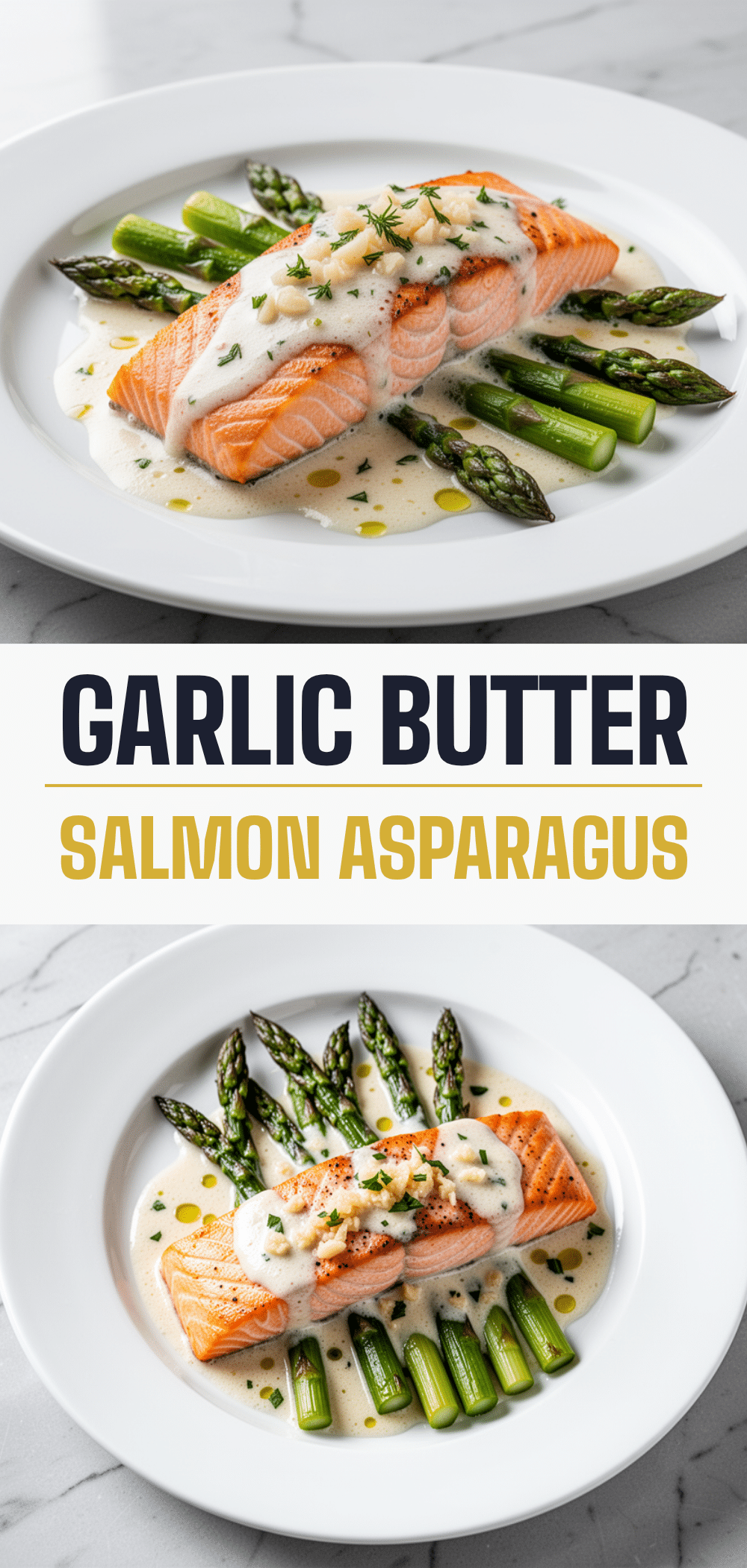
1-Pan Creamy Garlic Butter Salmon with Asparagus
- Total Time: 30 minutes
- Yield: 4 servings 1x
Description
A quick and elegant weeknight dinner featuring seared salmon and crisp-tender asparagus in a rich, garlicky cream sauce, all cooked in a single skillet for easy cleanup.
Ingredients
- 1.5 lbs salmon fillets
- 1 bunch asparagus (about 1 lb)
- 2 tablespoons olive oil
- Salt and black pepper to taste
- 3 tablespoons unsalted butter
- 4–5 cloves garlic, minced
- ½ cup heavy cream
- ¼ cup chicken broth (or vegetable broth)
- 1 tablespoon lemon juice
- 1 teaspoon lemon zest
- 1 teaspoon dried parsley (or fresh chopped)
- ½ teaspoon red pepper flakes (optional)
Instructions
- Prep the asparagus by snapping off the woody ends and setting aside.
- Pat salmon fillets dry and season generously with salt and pepper.
- Heat olive oil in a large skillet over medium-high heat. Sear salmon skin-side down for 4-5 minutes until golden.
- Flip salmon and cook for another 2-3 minutes until opaque. Remove from pan and tent with foil.
- Reduce heat to medium. Add asparagus to the same pan and sauté for 3-4 minutes until tender-crisp.
- Push asparagus to the sides, add butter, and melt. Add garlic and red pepper flakes, sautéing for 30-60 seconds until fragrant.
- Pour in chicken broth to deglaze the pan, scraping up browned bits. Simmer for 1 minute.
- Stir in heavy cream, lemon juice, and lemon zest. Simmer gently for 1-2 minutes until sauce thickens.
- Return salmon to the pan, nestling it into the sauce. Add asparagus back in if removed.
- Sprinkle with parsley and serve immediately with lemon wedges.
Notes
Pat the fish dry before searing for a better crust. Do not overcook the salmon as it will continue to cook in the sauce. If the sauce is too thin, let it simmer longer; if too thick, add a splash of broth. This recipe is naturally gluten-free. For dairy-free, substitute butter with olive oil and heavy cream with coconut cream.
- Prep Time: 10 minutes
- Cook Time: 20 minutes
- Category: Main Course
- Cuisine: American
Nutrition
- Serving Size: 1 fillet with aspara
- Calories: 480
- Sugar: 3
- Sodium: 520
- Fat: 36
- Saturated Fat: 18
- Carbohydrates: 8
- Fiber: 2
- Protein: 35
Keywords: salmon, asparagus, one-pan meal, creamy garlic butter, easy dinner, weeknight dinner, seafood, healthy dinner