There was a Tuesday last November when I came home from work feeling completely hollowed out. You know that specific kind of exhaustion? The kind where your shoulders are up by your ears and your brain feels like static. I didn’t have the energy to cook a real dinner. I didn’t even want to order takeout. I just wanted to sit in my kitchen, smell something nice, and feel like I was doing something gentle for myself.
So, I opened the pantry. There were some overripe figs from the farmer’s market sitting in a bowl, a bottle of expensive aged balsamic vinegar I’d been saving for months, and a thyme plant growing wild on the windowsill. I didn’t plan it. I just started chopping.
That was the first time I made homemade fig jam with aged balsamic and fresh thyme. It wasn’t about productivity. It wasn’t about meal prep or saving money. It was about the rhythm of stirring a wooden spoon against a pot, the way the sugar dissolved, and the smell of vinegar and herbs filling a quiet house. It was a small act of self-care that reminded me how to slow down. If you’re having one of those days, this is the one to make when you need to take care of yourself.
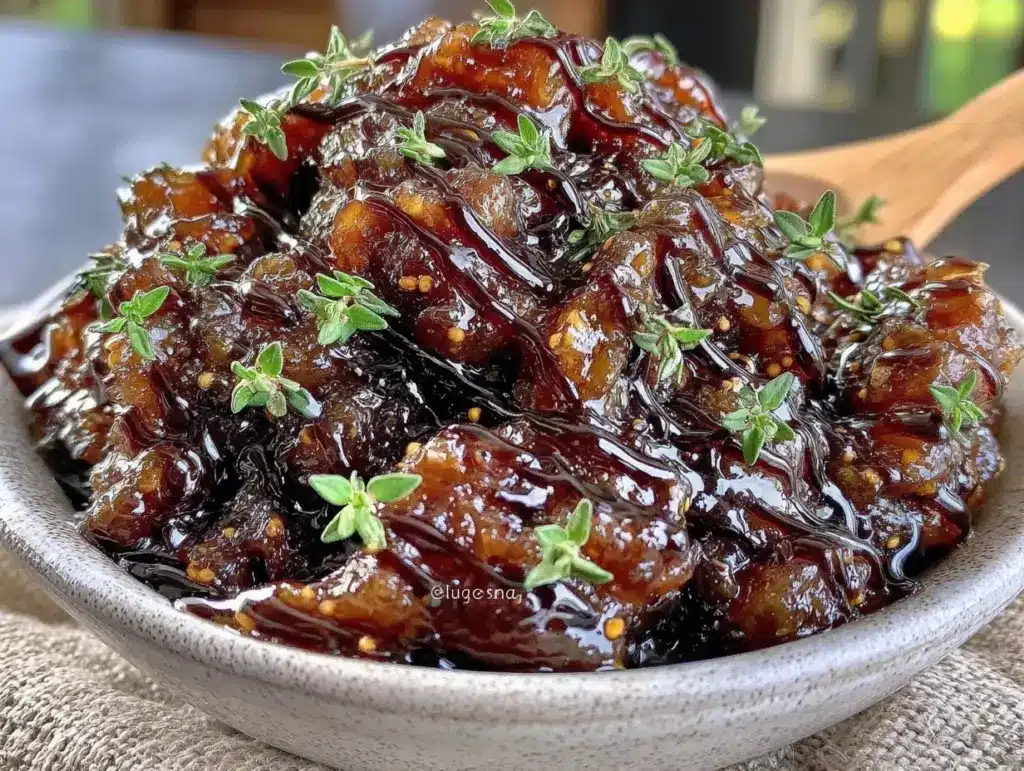
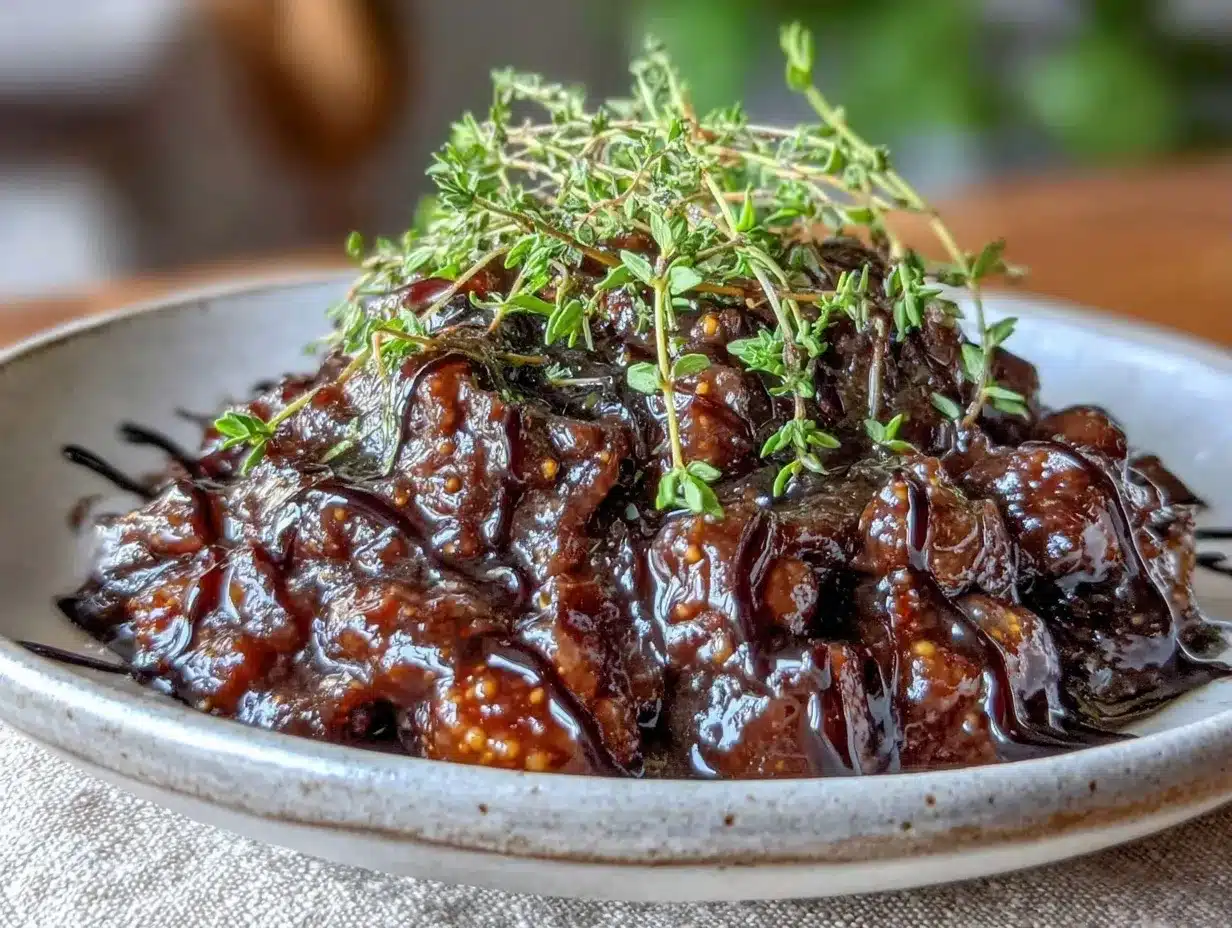
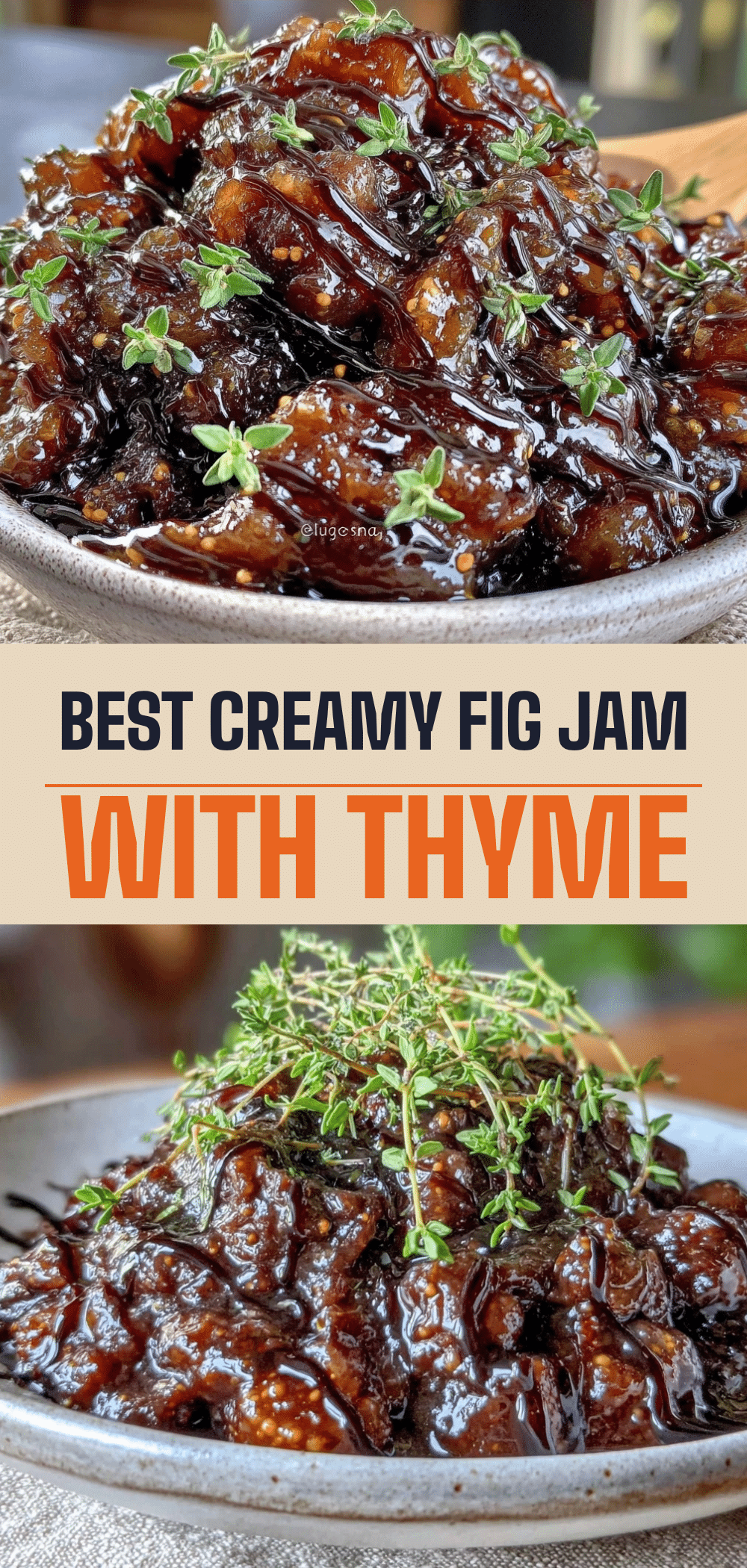
This jam is thick, glossy, and deeply complex. It’s sweet but not cloying, thanks to the sharp tang of the balsamic and the earthy punch of the thyme. It’s the kind of condiment that makes a simple piece of toast feel like a luxury. I’ve made this batch after batch of stress-relief sessions, tweaking the ratios until I found the perfect balance. It’s easier than you think, and it requires almost no active effort. You just let it simmer and breathe.
Why You’ll Love This Recipe
I know what you’re thinking. “Jam? In this economy? With fresh figs that cost a fortune?” Here’s the thing—this homemade fig jam with aged balsamic and fresh thyme isn’t about extravagance. It’s about transformation. It takes humble, bruised fruit and turns it into something magical. Here’s why this has become my go-to comfort ritual:
- It’s a Mental Reset — The process is meditative. Chopping, stirring, smelling. It forces you to be present. I’ve lost count of how many times I’ve worried myself into a panic attack over an email, only to calm down completely once I started reducing the balsamic.
- Uses Imperfect Fruit — Fresh figs bruise easily. The ones that get squished in the bag or look a little wrinkled are actually the best for jam. They break down faster and have more intense flavor. This recipe saves fruit that might otherwise go to waste.
- Complex Flavor Profile — Most jams are just sugar and fruit. This one has depth. The aged balsamic adds a wine-like richness, and the thyme cuts through the sweetness with a savory, piney note. It’s sophisticated without trying hard.
- Endless Versatility — I put this on everything. Crostini with goat cheese? Yes. Swirled into plain yogurt? Absolutely. Glazed over leftover roast chicken? Don’t even get me started. It’s the condiment that makes any meal feel special.
- Low Effort, High Reward — Once you get it in the pot, it basically cooks itself. You can walk away. You can read a book. You can just sit and listen to the bubbles pop. It’s active cooking time is maybe 15 minutes total.
This isn’t about becoming a master preserve-maker. It’s about giving yourself permission to make something slow in a fast world. And the smell? It stays in your kitchen for days. It’s like a warm hug.
Ingredients You’ll Need
Before we start, let’s talk about what goes into this pot. The beauty of homemade fig jam with aged balsamic and fresh thyme is that the ingredient list is short. But because there are so few items, each one matters. You don’t need fancy equipment, just good quality basics.
The Fruit
Fresh figs (2 pounds / 900g, hulled and quartered) — This is the star. Look for Black Mission or Brown Turkey figs. They’re softer and sweeter, which works perfectly for jam. If you can’t find fresh figs, you can use frozen ones (thawed and drained), but fresh is so much more aromatic. Don’t worry if they’re slightly overripe; that’s when the pectin levels are highest.
The Sweetener & Acid
Granulated sugar (1 ½ cups / 300g) — Standard white sugar works best because it doesn’t alter the color or flavor of the delicate figs. You need enough sugar to preserve the jam and help it set, but it won’t taste overwhelmingly sweet because of the balsamic.
Aged balsamic vinegar (¼ cup / 60ml) — This is non-negotiable. Do not use cheap, syrupy balsamic glaze. You want a real aged balsamic (ACV or IGP), one that’s been aged for at least 5-12 years. It should be syrupy and complex, with notes of cherry and wood. This is what gives the jam its sophisticated kick. If you don’t have aged balsamic, the jam will be flat.
Fresh lemon juice (1 tablespoon / 15ml) — A little acid brightens the dark colors of the figs and helps the pectin set. It also prevents the jam from turning brown.
The Aromatics
Fresh thyme leaves (2 tablespoons, packed) — Strip the leaves from the stems. Fresh thyme is essential here; dried thyme lacks that bright, floral punch. If you have a thyme plant, pick a handful. If you’re buying it, get a fresh bunch from the produce section, not the dried spice aisle.
Vanilla extract (1 teaspoon) — Just a splash. It rounds out the flavors and adds a subtle warmth that pairs beautifully with the balsamic.
Salt (½ teaspoon) — Kosher salt. It’s not optional. Salt enhances sweetness and balances the acidity. Without it, the jam will taste one-dimensional.
Equipment Needed
You don’t need a fancy kitchen for this. Here’s what I actually use, and what you can swap out.
Heavy-bottomed pot or Dutch oven — I use a 4-quart Dutch oven. The heavy bottom prevents scorching, which is crucial when you’re dealing with sugar and fruit. If you don’t have a Dutch oven, a large stainless steel saucepan works too. Avoid non-stick if you can help it; it’s harder to tell if the jam is sticking.
Wooden spoon — For stirring. You’ll be stirring a lot at the end. A wooden spoon won’t scratch your pot and feels nice in the hand.
Knife and cutting board — To hull and quarter the figs. A sharp paring knife is best.
Candy thermometer — Optional but helpful. It takes the guesswork out of the “set.” If you don’t have one, I’ll teach you the cold plate test in the instructions.
Funnel and glass jars — For bottling. I use mason jars, but any clean glass jar with a lid works. Sterilize them first if you plan to store them long-term.
How to Make It: Step-by-Step
Alright, let’s make this. I’m walking you through exactly how I do it, including the little tricks I’ve picked up over years of making this homemade fig jam with aged balsamic and fresh thyme. Don’t rush. This is your time.
Step 1: Prep the Figs (10 minutes)
Rinse your figs gently under cool water and pat them dry. You don’t need to peel them—the skins add texture and color. Remove the stems (hull them) and cut each fig into quarters. If they’re large, you might want to cut them into eighths. Toss them into your heavy-bottomed pot.
Why this matters: Uniform pieces ensure even cooking. If some are huge and some are tiny, the small ones will turn to mush before the big ones break down.
Step 2: Add the Sweeteners and Acid (2 minutes)
Sprinkle the sugar over the figs. Add the lemon juice and the salt. Give it a gentle stir to coat the fruit. Let it sit for about 15-20 minutes. You’ll see the sugar drawing out the juices from the figs. This is called maceration, and it helps break down the fruit faster so you don’t have to cook it as long.
Why this matters: Macerating reduces the total cooking time, which helps preserve the fresh flavor of the figs. It also prevents the sugar from burning at the bottom of the pot.
Step 3: The Simmer (20-30 minutes)
Place the pot over medium-low heat. Bring it to a gentle simmer. You want small, lazy bubbles, not a rolling boil. A rolling boil can make the jam tough. Stir occasionally, scraping the bottom of the pot to prevent sticking.
As it cooks, the figs will break down. Use your wooden spoon or a potato masher to crush some of the pieces. I like to leave some chunks for texture, so I only mash about half of them. Stir in the fresh thyme leaves and the vanilla extract now.
Why this matters: Low and slow is the key. High heat can caramelize the sugar too quickly, leading to a burnt taste. You want the flavors to meld gently.
Step 4: Add the Balsamic (5 minutes)
Once the mixture has thickened slightly and the figs are soft (usually after 20 minutes), stir in the aged balsamic vinegar. The color will deepen to a beautiful dark mahogany. Continue to simmer for another 5-10 minutes.
Now, this is the critical phase. The jam will start to look glossy and coat the back of your spoon. If you drag your spoon through the jam, the line should hold for a second before filling back in. This is called the “sheeting” stage.
Why this matters: Adding the balsamic later prevents the vinegar from evaporating too much, preserving its complex flavor. If you add it at the start, you lose that nice tang.
Step 5: The Set Test (2 minutes)
Before you take it off the heat, check if it’s ready. If you have a candy thermometer, the jam is done at 220°F (104°C) at sea level. If you don’t, use the cold plate test. Put a small plate in the freezer for a few minutes. Drop a teaspoon of hot jam onto the cold plate. Wait 30 seconds, then push it with your finger. If it wrinkles and doesn’t run back together, it’s ready.
Once it’s set, remove the pot from the heat. Skim off any foam that has formed on top (it’s harmless but looks ugly). Let it cool for 5 minutes. This is important—cooling slightly prevents the jars from cracking when you pour the hot jam in.
Why this matters: Overcooking makes jam hard and brittle. Undercooking makes it syrupy. The set test is your best friend here.
Step 6: Jar It Up (5 minutes)
Wipe the rim of your sterilized jars. Ladle the hot jam into the jars, leaving ¼ inch of headspace at the top. Wipe the rims clean with a damp paper towel (this ensures a good seal). Screw on the lids tightly.
If you want to preserve it for longer, process the jars in a boiling water bath for 10 minutes. Otherwise, let them cool completely and store in the fridge.
Why this matters: Cleaning the rims is crucial for sealing. Any residue can prevent the lid from sealing properly, which can lead to spoilage.
Expert Tips & Tricks
Here’s everything I’ve learned from making this dozens of times. These tips will save you from my mistakes.
Choose the Right Balsamic
I cannot stress this enough. The quality of your balsamic vinegar dictates the quality of your jam. Cheap balsamic is just sweetened wine vinegar. Aged balsamic has depth, sweetness, and acidity. It’s worth the investment. I keep a small bottle of 12-year aged balsamic just for this purpose. If you’re on a budget, look for “Balsamic Vinegar of Modena” with a DOP seal—it’s usually good quality and affordable.
Don’t Skip the Lemon
The lemon juice isn’t just for flavor. Figs have low natural pectin. The acid from the lemon helps activate the pectin in the fruit and ensures a proper set. Without it, you might end up with fig syrup instead of jam.
Thyme Stems
I usually strip the leaves and discard the stems. But if you have a lot of thyme, you can tie a small bundle of stems together with kitchen twine and add them to the pot while it simmers. Remove the bundle before jarring. This infuses flavor without leaving leaf bits in the final product.
Cooling Before Jarring
I’ve learned this the hard way. If you pour boiling jam into cold glass jars, they can shatter. Always let the jam cool for 5-10 minutes off the heat. Also, if you pour it too hot, the seeds can sink to the bottom. Letting it cool slightly helps suspend the fruit pieces evenly.
Storage Reality Check
This homemade fig jam with aged balsamic and fresh thyme is high in sugar, which acts as a preservative. In the fridge, it will last for up to 6 months. If you water-bath process it, it can last up to a year in a cool, dark pantry. Once opened, keep it in the fridge and use within 3 months.
Variations & Substitutions
Once you’ve nailed the basic version, here’s how you can mix it up. I’ve tried all of these.
Red Wine Variation
Swap the balsamic vinegar for a half-cup of bold red wine (like Cabernet or Merlot). Reduce it down by half before adding the figs. This gives a fruity, wine-forward flavor instead of the vinegar tang. Great with cheese boards.
Spiced Fig Jam
Add a cinnamon stick, a star anise, and a pinch of cloves to the pot while simmering. Remove the spices before jarring. This is perfect for the holidays and pairs beautifully with roast pork.
Lemon-Thyme Twist
Reduce the balsamic to 2 tablespoons and add the zest of one lemon. This is brighter and less savory. I like this version on plain yogurt or scones.
Dried Fig Version
If fresh figs aren’t in season, you can use dried Mission figs. Rehydrate them in hot water for 30 minutes, then chop. You may need to add a splash of water to the pot since dried figs absorb liquid. The jam will be darker and more intense.
Serving & Storage
How to Serve
I usually serve this straight from the jar at the dinner table—it looks rustic and stays warm. But here are other ways I’ve enjoyed it:
- Crostini with Goat Cheese — Toast baguette slices, smear with creamy goat cheese, and top with a spoonful of this jam. Add a crack of black pepper. It’s my favorite appetizer.
- Yogurt Bowl — Swirl it into plain Greek yogurt with some honey and walnuts. It’s a sophisticated breakfast or snack.
- Glaze for Meat — Brush it over chicken or pork during the last 5 minutes of roasting. The sugar caramelizes and creates a sticky, flavorful crust.
- Cheese Board Star — It pairs exceptionally well with aged cheddar, brie, and blue cheese. The thyme bridges the gap between the sweet jam and sharp cheese.
Storage Instructions
Refrigerator: Store in an airtight glass jar for up to 6 months. The jam will thicken further as it cools. This is normal.
Room Temperature: If you process the jars in a boiling water bath, they can be stored in a cool, dark pantry for up to 1 year. Check the seal before opening—if the lid doesn’t pop when you press it, it’s good.
Reheating: You don’t really need to reheat it, but if you want it runnier for drizzling, warm the jar in a bowl of hot water for a few minutes. Don’t microwave it directly in the glass jar.
Freezing: I don’t recommend freezing this jam. The texture can become grainy after thawing. It’s best fresh or refrigerated.
Nutrition Information
I’m not a nutritionist, but here’s the breakdown if you’re tracking. Keep in mind that this is a condiment, so portions are small.
| Nutrient | Per 1 Tablespoon Serving |
|---|---|
| Calories | 45 |
| Total Fat | 0g |
| Carbohydrates | 11g |
| Fiber | 1g |
| Sugars | 9g |
| Protein | 0g |
| Sodium | 15mg |
What’s Good: It contains antioxidants from the figs and vinegar. It’s naturally gluten-free and vegan.
What to Know: It is high in sugar because of the added sweetener and the natural sugars in the fruit. Enjoy it as a treat, not a health food. If you’re watching sugar intake, reduce the granulated sugar by ¼ cup and add a teaspoon of stevia or monk fruit, though the texture will be slightly different.
Final Thoughts
So that’s my go-to homemade fig jam with aged balsamic and fresh thyme! I’ve probably talked your ear off at this point, but when you make a recipe this often, you have a lot to say about it.
This has saved me from myself on more hard days than I can count. It’s my answer to “I’m tired and overwhelmed” when I still want to do something nourishing for my soul. My kitchen smells amazing, my stress levels drop, and I end up with a jar of something beautiful that I can share or savor slowly.
Make it yours! Try different herbs if you don’t like thyme—rosemary works too, or basil for a summer twist. Adjust the balsamic to your taste. The best recipes are the ones you adapt to your own needs.
If you make this, drop a comment and let me know how it went! I love hearing how recipes turn out in your kitchen. And if something doesn’t work, tell me that too—I’m here to help troubleshoot. Happy cooking! And I hope your kitchen smells half as good as mine does right now.
And if you’re looking for other ways to slow down and enjoy the process, check out my garlic herb focaccia recipe for another comforting, hands-on project. Or, if you need something sweet to pair with this jam, try my easy one-bowl banana bread—it’s perfect for soaking up the extra jam.
Frequently Asked Questions
Q: Can I use canned figs instead of fresh?
A: You can, but they’ll be much softer and may already be syrupy. If you use canned figs, drain them well and reduce the sugar in the recipe by half. Taste the syrup first—if it’s sweet, you might not need any added sugar at all. Fresh figs have a better texture and flavor, but canned works in a pinch.
Q: Why is my jam runny?
A: This usually happens if you didn’t cook it long enough or if the figs had low pectin. Let it cook a few minutes longer and test again. If it’s still runny after cooling, you can try adding a teaspoon of powdered pectin dissolved in a little lemon juice and cooking for 2 more minutes. Next time, make sure to add the lemon juice—it helps activate the natural pectin.
Q: Can I make this without sugar?
A: It’s difficult to make true “jam” without sugar because sugar acts as a preservative and helps with the texture. You can use a sugar substitute like erythritol or allulose, but the jam won’t preserve as long and may have a different mouthfeel. I recommend keeping it in the fridge and using it within a month if you go sugar-free.
Q: Do I have to water-bath process the jars?
A: No. If you’re eating it within a few weeks and keeping it in the fridge, you don’t need to process it. Just wipe the jars clean, fill them, and seal. The high sugar content and refrigeration will keep it safe for a while. Water-bath processing is only necessary if you want to store it at room temperature for months.
Q: Can I add other fruits to this?
A: Absolutely! I’ve mixed figs with peaches or apricots. Just keep the ratio of balsamic and thyme the same. The balsamic pairs well with stone fruits too. It’s a great way to use up other seasonal fruits.
Q: How do I fix a jam that’s too thick?
A> If it’s too thick for your liking, you can whisk in a little warm water or apple cider vinegar to thin it out. It will become more of a syrup. If it’s too thick to spread, it’s probably just cooled down too much. Warm it slightly, and it should loosen up.
Q: What kind of thyme works best?
A: Regular green thyme is classic and works perfectly. Lemon thyme adds a nice citrusy note, which is great if you’re using less balsamic. Avoid dried thyme if you can help it—it lacks the bright, fresh flavor that cuts through the sweetness. Fresh is always better for this recipe.
Pin This Recipe!
Homemade Fig Jam with Aged Balsamic
- Total Time: 45 minutes
- Yield: Approximately 1 pint (16 servings) 1x
Description
A meditative, self-care treat that transforms humble, overripe figs into a glossy, complex jam using aged balsamic vinegar and fresh thyme. It requires low effort and offers a sophisticated flavor profile perfect for toast, cheese boards, or glazes.
Ingredients
- 2 pounds (900g) fresh figs, hulled and quartered
- 1 ½ cups (300g) granulated sugar
- ¼ cup (60ml) aged balsamic vinegar
- 1 tablespoon (15ml) fresh lemon juice
- 2 tablespoons packed fresh thyme leaves
- 1 teaspoon vanilla extract
- ½ teaspoon kosher salt
Instructions
- Rinse figs gently, pat dry, remove stems, and cut into quarters. Place in a heavy-bottomed pot.
- Sprinkle sugar over figs, add lemon juice and salt. Stir to coat and let sit for 15-20 minutes to macerate.
- Place pot over medium-low heat and bring to a gentle simmer. Stir occasionally, scraping the bottom to prevent sticking.
- As figs break down, mash about half of them with a wooden spoon or potato masher. Stir in thyme leaves and vanilla extract.
- Once the mixture has thickened slightly and figs are soft (about 20 minutes), stir in the aged balsamic vinegar.
- Continue to simmer for another 5-10 minutes until the jam coats the back of a spoon and passes the ‘sheeting’ test.
- Check for doneness: Jam is ready at 220°F (104°C) or when a drop on a cold plate wrinkles and doesn’t run back together.
- Remove from heat, skim off foam, and let cool for 5 minutes.
- Ladle hot jam into sterilized glass jars, leaving ¼ inch headspace. Wipe rims clean and seal tightly.
- For long-term storage, process jars in a boiling water bath for 10 minutes. Otherwise, store in the refrigerator.
Notes
Use fresh figs for best aroma; frozen figs can be substituted if thawed and drained. Do not use cheap balsamic glaze; aged balsamic (5-12 years) is essential for flavor. Macerating the figs with sugar reduces cooking time and preserves fresh flavor. If the jam is too thick, whisk in warm water or apple cider vinegar to thin. Store in the fridge for up to 6 months.
- Prep Time: 15 minutes
- Cook Time: 30 minutes
- Category: Condiments
- Cuisine: American
Nutrition
- Serving Size: 1 Tablespoon
- Calories: 45
- Sugar: 9
- Sodium: 15
- Carbohydrates: 11
- Fiber: 1
Keywords: fig jam, balsamic vinegar, homemade jam, self-care recipe, thyme jam, preserve, vegan, gluten-free