I’ll be honest with you. For years, I treated gluten-free baking like a high-stakes gamble. I’d spend an hour mixing batter, spend another hour waiting for it to bake, and then spend a nervous ten minutes staring at the crumb before taking a bite. More often than not, the result was dry, dense, or tasted faintly of the almond flour I’d used to replace the wheat.
But last Saturday, I was at a brunch for my sister’s birthday. She’s gluten intolerant, and I had promised to bring dessert. I was panicking because I’d burned my usual chocolate chip cookies earlier in the week (yes, I’m that person), so I grabbed my old, trusted recipe for gluten-free carrot cake. I didn’t even know I had it until I found the index card in my junk drawer.
I made it. I baked it. And when my sister took that first bite, she closed her eyes and said, “This is better than the one from the bakery.”
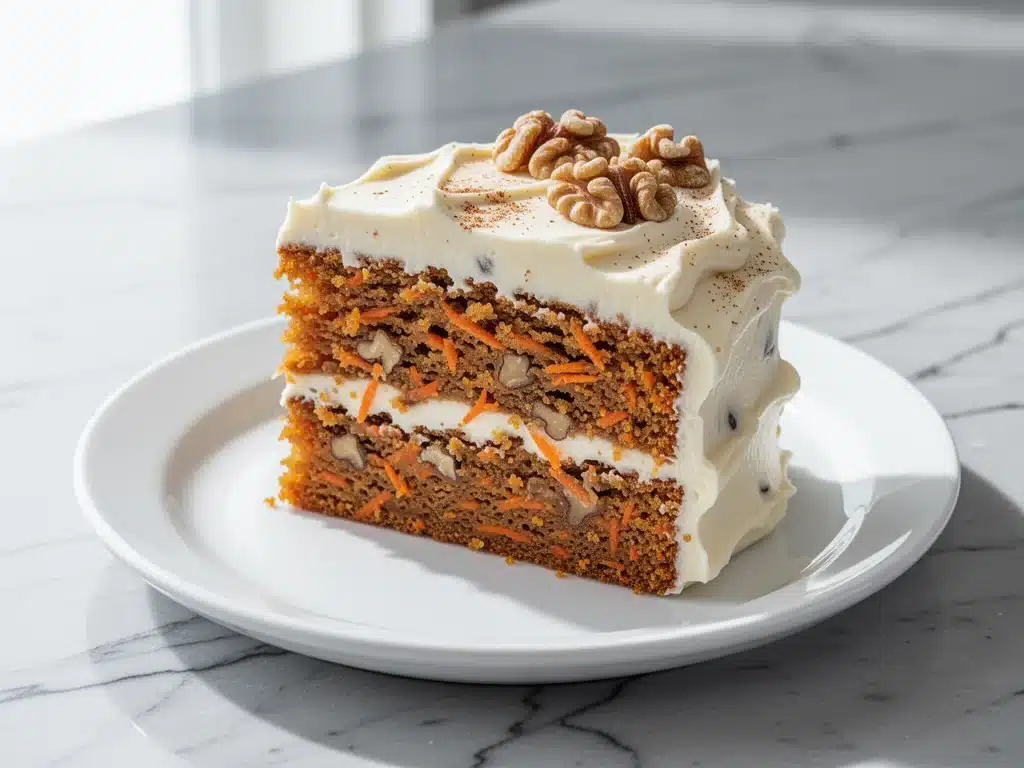
That was the moment I knew I had struck gold. This isn’t just a “good for gluten-free” cake. It’s a genuinely amazing cake. It’s moist, it’s spiced perfectly, and that tangy cream cheese frosting? It’s the kind of frosting that makes people forget they’re eating something without wheat. I’ve made this Gluten-Free Carrot Cake with Tangy Cream Cheese Frosting at least eight times in the last three months. My kids ask for it for school snacks. My husband brings it to office potlucks. It’s become my go-to dessert for any occasion where I need to impress without spending all day in the kitchen.
And the best part? It’s a one-bowl recipe. Seriously. One bowl. I don’t know about you, but I love a dessert that doesn’t require a sink full of dirty dishes before I can even enjoy it.
Why You’ll Love This One-Bowl Gluten-Free Carrot Cake
There are a dozen reasons I keep making this gluten-free carrot cake, but I’ll keep it real with the top ones that matter most.
- It’s actually moist — I’ve tried so many gluten-free cakes that turn out like little bricks. This one? It’s tender, soft, and stays moist for days. The oil and the carrots do all the heavy lifting here.
- One bowl, zero fuss — You mix the dry stuff, add the wet stuff, stir, and bake. No fancy equipment, no double-boiling milk, no complicated techniques. If you can stir, you can make this.
- It’s naturally egg-friendly — This recipe uses standard eggs, but the structure is so good that even if you’re sensitive to wheat, you won’t miss it. The texture is closer to a dense muffin than a light sponge, which is exactly what you want in a carrot cake.
- Freezer-friendly — I make two of these at once. One for now, one for later. They freeze beautifully, which is a lifesaver when I’m feeling lazy but still want a homemade treat.
- It pairs perfectly with coffee — Honestly, this cake is best enjoyed with a strong cup of coffee. If you’re looking for a drink to go with it, check out my homemade vanilla sweet cream cold foam for iced coffee—it’s the perfect companion to this spiced cake.
This recipe has completely changed how I think about gluten-free baking. It’s not a compromise. It’s just a really, really good cake.
Ingredients You’ll Need
Here’s the best part: you probably have most of these ingredients already. This isn’t a recipe that requires a special trip to a health food store for obscure flours. It uses simple, pantry-friendly items.
For the Cake
Gluten-free flour blend (2 cups / 250g) — I use a 1:1 blend like Bob’s Red Mill or King Arthur. Make sure it contains xanthan gum. If yours doesn’t, add ½ teaspoon of xanthan gum to the dry ingredients. This is crucial for structure.
Baking soda (1 teaspoon) — Freshness matters here. If your baking soda is clumpy or old, your cake won’t rise properly.
Baking powder (½ teaspoon) — Just a little boost to help it rise.
Salt (½ teaspoon) — Enhances all the flavors. Don’t skip it.
Cinnamon (2 teaspoons) — Ground cinnamon. Freshly ground is best, but ground is fine.
Nutmeg (½ teaspoon) — Freshly grated if you have a microplane. It adds that warm, cozy scent.
Vegetable oil (¾ cup / 180ml) — I use vegetable oil because it keeps the cake moist. You can use canola, but avoid olive oil—it changes the flavor too much. Butter doesn’t work as well here; it makes the cake denser.
Sugar (1 cup / 200g) — Granulated white sugar. I’ve tried brown sugar, but it makes the cake too heavy. Stick with white for that classic carrot cake texture.
Eggs (3 large) — Room temperature eggs mix better. I take them out of the fridge 15 minutes before I start.
Vanilla extract (2 teaspoons) — Pure vanilla, not imitation. It makes a big difference in the flavor profile.
Carrots (2 cups / about 3 medium, finely grated) — Do not buy pre-shredded carrots. They are too dry and don’t shred fine enough. Buy whole carrots and grate them yourself. It takes 5 minutes and changes everything.
Walnuts or pecans (½ cup / 60g, chopped) — Optional, but I recommend it. The crunch contrasts with the soft cake. Toast them first for extra flavor.
For the Tangy Cream Cheese Frosting
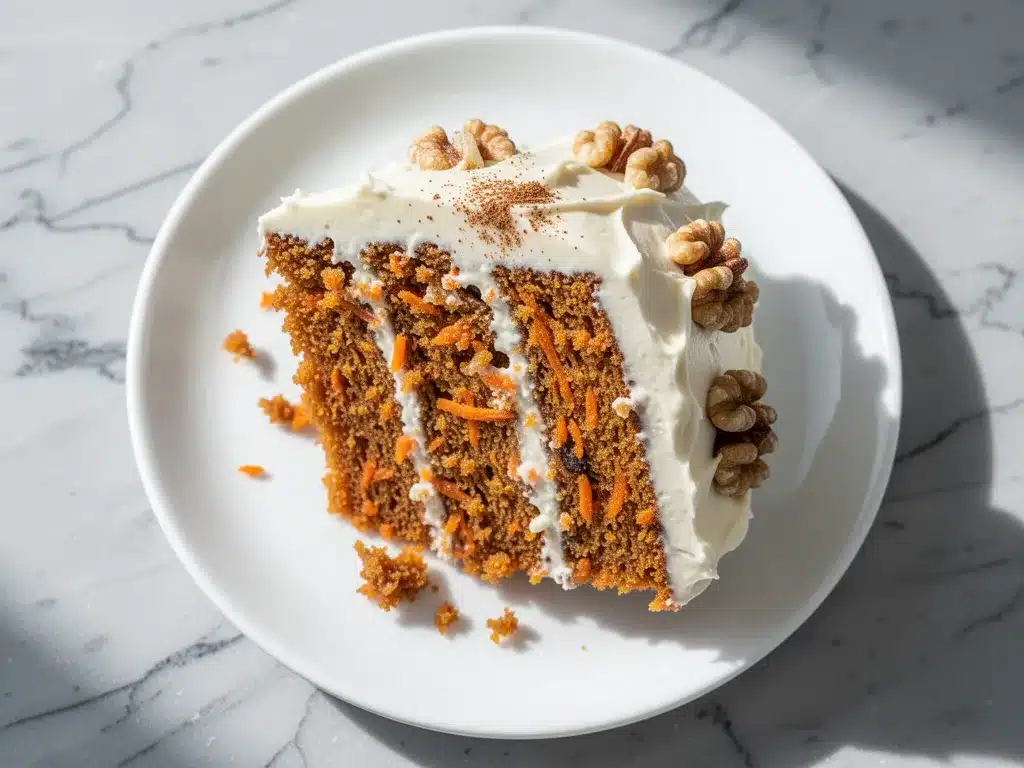
Cream cheese (8 oz / 225g, full-fat) — Block cream cheese, not the spreadable kind in a tub. It has too much water and will make the frosting runny. Let it soften to room temperature.
Butter (½ cup / 115g, softened) — Unsalted butter. Softened, not melted.
Powdered sugar (3 cups / 360g) — Sifted if it’s lumpy. I usually just whisk it in, but if your sugar is old, sift it.
Vanilla extract (1 teaspoon) — Just a touch.
Lemon juice (1 tablespoon) — This is the secret. The lemon cuts the sweetness and adds that tangy brightness that makes this frosting special. Don’t skip it.
Salt (¼ teaspoon) — Balances the sweetness.
Equipment Needed
You don’t need fancy equipment for this. Here’s what I actually use.
- One large mixing bowl — A 4-quart bowl works perfectly. I use a glass Pyrex bowl because I can see everything.
- Box grater — For grating the carrots. A food processor with a grating blade works too, but hand-grating gives better texture control.
- Hand mixer or stand mixer — For the frosting. Whisking by hand is possible but painful. I use my hand mixer on medium speed.
- 9×13-inch baking pan — Grease it well. I line the bottom with parchment paper for easy removal.
- Cooling rack — Essential. Never frost a warm cake. It will melt into a mess.
- Measuring cups and spoons — Standard stuff. Dollar store versions work fine.
How to Make It: Step-by-Step
Alright, let’s make this! I’m walking you through exactly how I do it, including the little tricks I’ve picked up over the years.
Step 1: Prep Your Pan and Oven
Preheat your oven to 350°F (175°C). Grease a 9×13-inch baking pan with butter or cooking spray. I like to line the bottom with parchment paper so the cake doesn’t stick. This is crucial for gluten-free baking, which can be more prone to sticking.
Step 2: Mix the Dry Ingredients
In your large bowl, whisk together the gluten-free flour blend, baking soda, baking powder, salt, cinnamon, and nutmeg. Make sure there are no lumps of baking soda. This ensures even rising. If your flour blend doesn’t have xanthan gum, add it now.
Step 3: Mix the Wet Ingredients
To the same bowl, add the vegetable oil, sugar, eggs, and vanilla extract. Whisk everything together until it’s smooth and well combined. The mixture will look a bit curdled at first—that’s normal. The sugar will dissolve as you mix.
Step 4: Add the Carrots and Nuts
Grate your carrots. If you’re using a box grater, use the small holes. You want fine shreds, not big chunks. Add the grated carrots and chopped nuts (if using) to the batter. Fold them in gently with a spatula. Don’t overmix. You just want them evenly distributed.
Step 5: Bake the Cake
Pour the batter into your prepared pan. Spread it out evenly. Bake for 35-40 minutes. You’ll know it’s done when a toothpick inserted into the center comes out clean or with just a few moist crumbs. Do not overbake, or your gluten-free cake will dry out. Gluten-free baked goods dry out faster than wheat-based ones, so keep an eye on it.
Step 6: Cool Completely
Let the cake cool in the pan for 10 minutes, then transfer it to a wire rack to cool completely. This is non-negotiable. If you frost a warm cake, the cream cheese frosting will melt and slide off. I usually let it cool for at least an hour. Patience pays off.
Step 7: Make the Frosting
While the cake cools, make the frosting. In a separate bowl, beat the softened cream cheese and butter together until smooth and creamy. Add the powdered sugar, vanilla, lemon juice, and salt. Beat on low speed until combined, then increase to medium speed and beat for 2-3 minutes until fluffy and light. Taste it. If you want it sweeter, add more sugar. If you want it tangier, add more lemon juice.
Step 8: Frost and Serve
Spread the frosting over the completely cooled cake. Use an offset spatula for a smooth finish, or a knife for a rustic look. I like to sprinkle a few extra chopped walnuts on top for garnish. Slice and serve. This Gluten-Free Carrot Cake with Tangy Cream Cheese Frosting is best at room temperature.
Expert Tips & Tricks
Here’s everything I’ve learned from making this dozens of times. These tips will save you from my mistakes.
Grate Your Own Carrots
I cannot stress this enough. Pre-shredded carrots are dry and packed with anti-caking agents. They don’t release moisture into the cake. Whole carrots grated fresh are juicy and sweet. It’s a 5-minute job that makes a huge difference.
Don’t Skimp on the Oil
Some recipes try to swap oil for applesauce or yogurt to make it “healthier.” Don’t. Oil keeps gluten-free cakes moist. Butter makes them dense. Stick with oil.
Check Your Flour Blend
Not all gluten-free flour blends are created equal. Some are lighter, some are heavier. If your cake turns out too dense, try a different brand next time. Bob’s Red Mill 1-to-1 and King Arthur Measure for Measure are my favorites.
Room Temperature Ingredients
For the frosting, make sure your cream cheese and butter are soft. If they’re cold, you’ll get lumps. If they’re melted, your frosting will be runny. Soft is the goal.
Toast Your Nuts
If you’re using walnuts or pecans, toast them in a dry skillet for 3-4 minutes before chopping. It brings out their flavor and adds a nice crunch.
Looking for more easy one-bowl recipes? Check out my easy one-bowl banana bread with chocolate chips—it’s another family favorite that’s just as simple.
Variations & Substitutions
Once you’ve nailed the basic version, here’s how you can mix it up. I’ve tried all of these.
Pecan Version
Swap walnuts for pecans. I think pecans pair better with the cream cheese frosting. It’s my personal preference.
Carrot-Free Version
I know, it’s called carrot cake, but I’ve made it without carrots once. I just added extra spices and a cup of chopped apples. It was good, but not as good. Stick with the carrots.
Dairy-Free Frosting
You can use dairy-free cream cheese and butter, but the texture might be slightly different. I haven’t tested this extensively, but it should work if you use high-quality dairy-free brands.
Sugar-Free Option
You can use a sugar substitute for the cake, but it might change the texture. For the frosting, use a powdered sugar substitute. It won’t be exactly the same, but it’s an option.
If you’re looking for a lighter dessert option, try my ultra creamy frozen mango pineapple smoothie—it’s refreshing and doesn’t require any baking.
Serving & Storage
How to Serve:
I usually serve this cake at room temperature. It’s soft and the frosting is creamy. If you like it chilled, you can refrigerate it, but let it sit out for 15 minutes before serving so the frosting softens.
Side Dishes:
This cake is rich, so it doesn’t need much. A cup of coffee or tea is perfect. If you’re having a brunch, pair it with homemade sourdough bread for a hearty spread.
Storage:
Store the cake in an airtight container at room temperature for up to 3 days. If your kitchen is hot, refrigerate it. It will last up to 5 days in the fridge.
Freezing:
You can freeze the unfrosted cake for up to 3 months. Wrap it tightly in plastic wrap and then in foil. Thaw it overnight in the fridge before frosting. You can also freeze the frosted cake, but the texture of the frosting might change slightly. I usually freeze the cake without frosting.
Reheating:
You don’t need to reheat this cake. It’s best at room temperature. If you accidentally refrigerate it, let it come to room temperature before serving.
Nutrition Information
I’m not a nutritionist, but here’s the breakdown if you’re tracking. This is per slice (1/12 of the cake).
- Calories: 380
- Protein: 5g
- Carbs: 45g
- Fiber: 2g
- Sugar: 32g
- Fat: 20g
- Saturated Fat: 10g
- Cholesterol: 45mg
- Sodium: 250mg
Look, this is a dessert with cream cheese frosting. It’s not a health food. But it’s made with real ingredients, and it’s better than anything from a box. When I want to make it lighter, I reduce the sugar in the frosting by ½ cup and add more lemon juice. But usually? I just eat a slice and enjoy it.
Final Thoughts
So that’s my go-to gluten-free carrot cake! I’ve probably talked your ear off at this point, but when you make a recipe this often, you have a lot to say about it.
This has saved me more times than I can count. It’s my answer to “what dessert can I make for my gluten-free friends?” when I want to make something special. My kids are happy, my husband’s happy, and I’m happy because I’m not stressed about cooking.
Make it yours! Try different nuts, adjust the spices, or add a layer of cream cheese filling. The best recipes are the ones you adapt to your family’s tastes.
If you make this, drop a comment and let me know what you think! I love hearing how recipes turn out in your kitchen. And if something doesn’t work, tell me that too—I’m here to help troubleshoot.
Happy baking! And I hope your kitchen smells half as good as mine does right now.
Frequently Asked Questions
Can I use almond flour instead of gluten-free flour?
You can, but the texture will be different. Almond flour is denser and heavier. I recommend sticking to a 1:1 gluten-free blend for the best results. If you use almond flour, reduce the amount by ¼ cup and add an extra egg for structure.
Why is my gluten-free carrot cake dry?
Usually, this means it was overbaked. Gluten-free cakes dry out faster. Check it at 30 minutes, and only bake until a toothpick comes out clean. Also, make sure you’re using freshly grated carrots, which add moisture.
Can I make this cake ahead of time?
Yes! Make the cake 1-2 days ahead. Let it cool completely, wrap it tightly in plastic wrap, and store it at room temperature. Frost it the day you plan to serve it. This actually helps the flavors meld.
Why did my frosting turn out runny?
Most likely, your cream cheese or butter was too warm, or you added the powdered sugar too quickly. Make sure your ingredients are soft, not melted. Beat the frosting for a full 2-3 minutes to incorporate air and thicken it.
Can I use zucchini instead of carrots?
You can! It’s called zucchini bread, but it’s basically the same recipe. Grate the zucchini and squeeze out excess moisture with a paper towel before adding it to the batter. It works great.
How do I store leftovers?
Store in an airtight container at room temperature for up to 3 days. If your kitchen is hot, refrigerate it. It will last up to 5 days in the fridge. Let it come to room temperature before serving for the best texture.
Can I double this recipe?
Absolutely! Double everything and use a 9×13-inch pan. If you want to make two layers, use two 8-inch round pans and reduce the baking time by 5-10 minutes. Keep an eye on them.
Pin This Recipe!
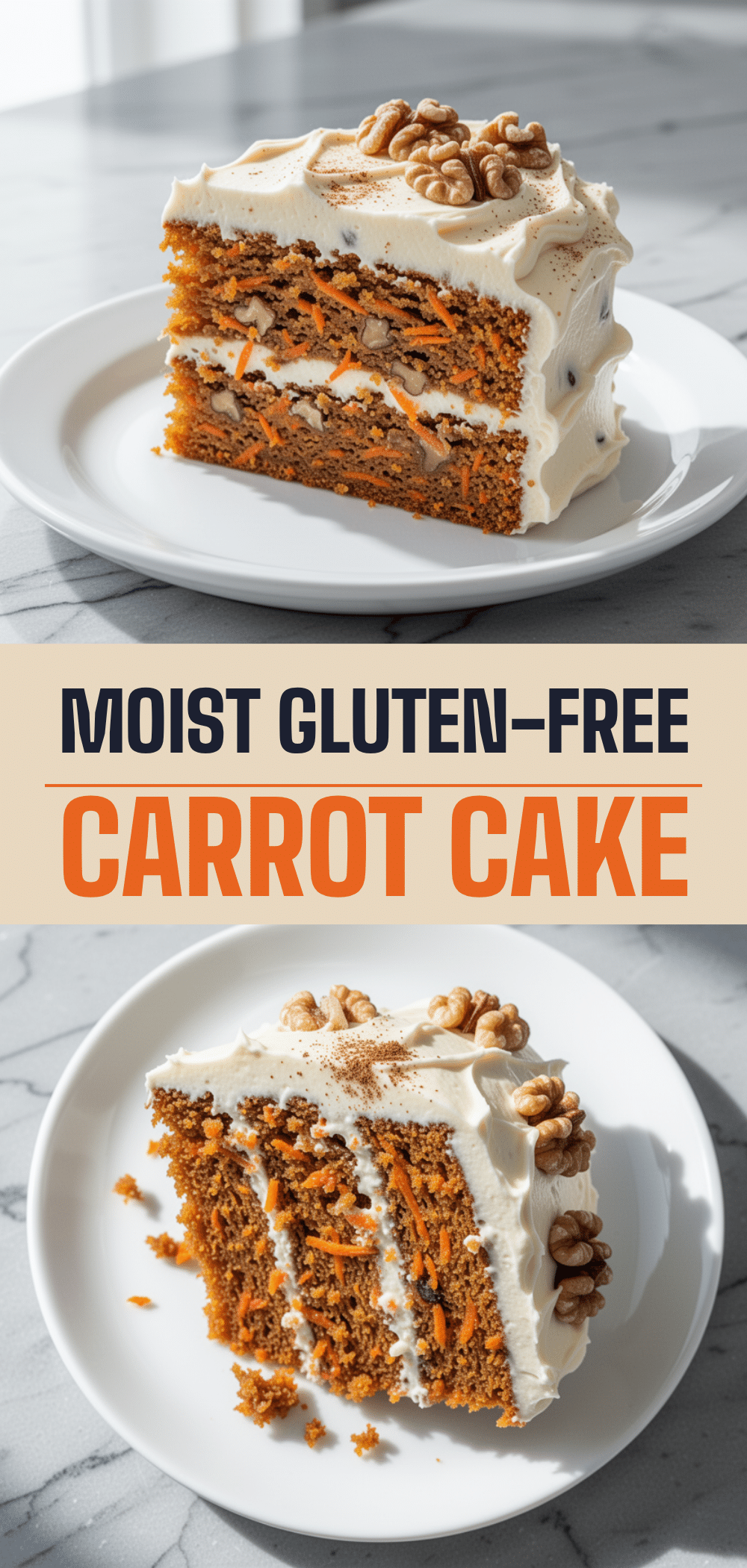
Gluten-Free Carrot Cake with Tangy Cream Cheese Frosting
- Total Time: 55 minutes
- Yield: 12 servings 1x
Description
A moist, tender, and easy one-bowl gluten-free carrot cake topped with a tangy cream cheese frosting. This recipe uses simple pantry ingredients and requires no fancy equipment.
Ingredients
- 2 cups (250g) gluten-free flour blend (with xanthan gum)
- 1 teaspoon baking soda
- ½ teaspoon baking powder
- ½ teaspoon salt
- 2 teaspoons ground cinnamon
- ½ teaspoon nutmeg
- ¾ cup (180ml) vegetable oil
- 1 cup (200g) granulated white sugar
- 3 large eggs (room temperature)
- 2 teaspoons pure vanilla extract
- 2 cups (about 3 medium) finely grated fresh carrots
- ½ cup (60g) chopped walnuts or pecans (optional, toasted)
- 8 oz (225g) full-fat block cream cheese (softened)
- ½ cup (115g) unsalted butter (softened)
- 3 cups (360g) powdered sugar
- 1 teaspoon vanilla extract
- 1 tablespoon lemon juice
- ¼ teaspoon salt
Instructions
- Preheat oven to 350°F (175°C). Grease a 9×13-inch baking pan and line the bottom with parchment paper.
- In a large mixing bowl, whisk together the gluten-free flour blend, baking soda, baking powder, salt, cinnamon, and nutmeg. Ensure there are no lumps.
- To the same bowl, add the vegetable oil, sugar, eggs, and vanilla extract. Whisk until smooth and well combined.
- Add the finely grated carrots and chopped nuts (if using) to the batter. Fold them in gently with a spatula until evenly distributed.
- Pour the batter into the prepared pan and spread evenly. Bake for 35-40 minutes, or until a toothpick inserted into the center comes out clean.
- Let the cake cool in the pan for 10 minutes, then transfer to a wire rack to cool completely.
- While the cake cools, beat the softened cream cheese and butter together until smooth. Add powdered sugar, vanilla, lemon juice, and salt. Beat on low until combined, then increase to medium speed and beat for 2-3 minutes until fluffy.
- Spread the frosting over the completely cooled cake. Garnish with extra chopped nuts if desired. Serve at room temperature.
Notes
Use freshly grated carrots, not pre-shredded, for best moisture. Ensure cream cheese and butter are softened but not melted for the frosting. Gluten-free cakes dry out faster, so do not overbake. Store in an airtight container at room temperature for up to 3 days or refrigerate for up to 5 days.
- Prep Time: 15 minutes
- Cook Time: 40 minutes
- Category: Dessert
- Cuisine: American
Nutrition
- Serving Size: 1 slice (1/12 of the
- Calories: 380
- Sugar: 32
- Sodium: 250
- Fat: 20
- Saturated Fat: 10
- Carbohydrates: 45
- Fiber: 2
- Protein: 5
Keywords: gluten-free carrot cake, one-bowl recipe, cream cheese frosting, dairy-free option, easy baking, moist carrot cake