Last July, I was standing in my kitchen at 6:30 AM, staring into the abyss of my freezer. I had a sudden, violent craving for something cold, sweet, and tropical, but my fruit bowl was looking sad. There were three bruised bananas and a lemon that had given up on life weeks ago. I was tired, I was thirsty, and I was not in the mood to make a trip to the store.
So I did what any desperate home cook does: I raided the back of the freezer. Buried behind some ice cream I’d never touch and a bag of frozen peas, I found a giant bag of frozen mango chunks I’d bought on a whim during a sale three months prior. They were still there. And so were some frozen pineapple tidbits I’d bought for a cocktail recipe I never made.
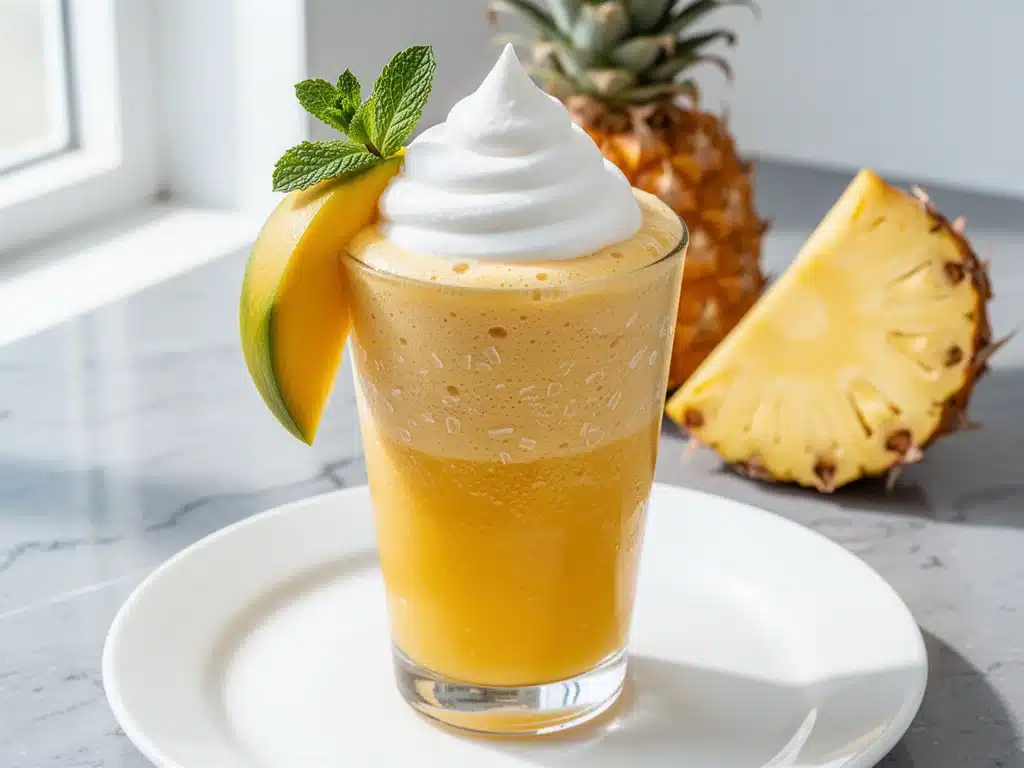
I threw them in the blender with some yogurt, a splash of milk, and a handful of ice. I hit “puree” and walked away to brush my teeth. When I came back, the machine had stopped. I looked in. It wasn’t just a smoothie. It was a thick, creamy, neon-yellow sludge that looked like liquid sunshine. I took a sip and nearly cried. It tasted like a vacation. It tasted like a day at the beach where the only decision you have to make is whether to get up for lunch.
I’ve made this Ultra-Creamy Frozen Mango Pineapple Smoothie at least twenty times since that morning. It’s my go-to when I need energy, when I want dessert for breakfast, or when I just need something that makes my mouth feel happy. And here’s the secret: it’s stupidly simple. You don’t need a fancy high-speed blender (though it helps). You don’t need exotic superfoods. You just need frozen fruit and a little bit of patience.
This isn’t one of those healthy smoothies that tastes like grass and regret. This is the real deal. Sweet, tangy, creamy, and so thick you need a spoon to eat it. I’ve tweaked the ratios a dozen times, tested different milks, and even tried adding spinach (which, honestly, you can’t taste, but I do it for peace of mind). This version is the winner. It’s the one my kids fight over. It’s the one I make when I have guests over for brunch. It’s the one I make when I need a pick-me-up in the afternoon.
Let me tell you exactly why this smoothie has earned a permanent spot in my weekly rotation.
Why You’ll Love This Ultra-Creamy Frozen Mango Pineapple Smoothie
There are a hundred smoothie recipes out there. So why this one? Why spend the time blending frozen fruit when you could just grab a juice from the gas station? Because this Ultra-Creamy Frozen Mango Pineapple Smoothie is different. It’s not just sweet; it’s textured. It’s not just a drink; it’s a meal. Here’s why I keep coming back to this blend:
- Texture That Actually Feels Like Dessert — Most smoothies are thin. You drink them in three sips and you’re still hungry. This one is thick enough to be a milkshake. The frozen mango and pineapple create a natural ice-cream consistency. I’ve served this to my friends at brunch, and they always ask if I added ice cream. (I didn’t. It’s just fruit and yogurt.)
- Breakfast That Doesn’t Taste Like “Diet Food” — I hate the word “diet” when it comes to food. This smoothie is filling. The protein from the Greek yogurt and the fiber from the fruit keep me full until lunch. I’ve made it before heading to the gym, before a long workday, or just as a lazy Saturday treat. It tastes indulgent, but it’s actually fuel.
- Zero Prep, All Flavor — If you can pour a cup, you can make this. There’s no chopping. No cooking. No measuring complex spices. I keep frozen mango and pineapple stocked specifically for this. When I’m in a rush, I grab the bags, dump them in, and blend. It takes 60 seconds. That’s it. Compare that to making fluffy buttermilk pancakes, which require mixing batter, heating the pan, flipping, and cleaning up grease splatters. Sometimes you just need the smoothie.
- Perfect for Picky Eaters — My son hates vegetables. He also hates “healthy” breakfasts. But he loves this smoothie. The sweetness of the mango masks the tang of the pineapple, and the creamy yogurt makes it smooth. I’ve even hidden a handful of spinach in there before. He never notices. It’s a sneaky way to get nutrients into his system without a fight.
- Customizable Without Losing the Magic — You can tweak this recipe a dozen ways. Add protein powder? Sure. Add chia seeds? Go for it. Add a splash of coconut milk for extra richness? Yes. But the base—the mango and pineapple combo—is so solid that you can’t mess it up. It’s forgiving. It’s reliable. It’s the culinary equivalent of a best friend who always has your back.
This smoothie is my answer to “what’s for breakfast?” when I’m tired. It’s my answer to “can I have a treat?” when I’m trying to be good. It’s creamy, it’s cold, and it’s delicious. Let’s talk about what you need to make it.
Ingredients You’ll Need for the Best Smoothie
Here’s the best part: you probably have most of this already. I’m not asking you to go to three different stores to find rare ingredients. This is pantry-friendly, freezer-friendly, and budget-friendly. I’m particular about three things here, and I’ll tell you exactly why.
The Fruit Base
Frozen Mango Chunks (2 cups / 300g) — This is the star. Don’t buy fresh mango unless you’re feeling ambitious and have time to chop and freeze it yourself. Frozen chunks are pre-cut, flash-frozen at peak ripeness, and give you that thick, creamy texture. I buy the big bags when they’re on sale. Look for chunks without added sugar or syrup. Pure mango is all you need.
Frozen Pineapple Tidbits or Chunks (1 cup / 150g) — Pineapple adds the tartness that balances the sweet mango. It also adds enzymes (bromelain) which are good for digestion. Again, frozen is best. Fresh pineapple will make your smoothie watery. Frozen pineapple keeps it icy and thick. If you can’t find pineapple, you can sub more mango, but the flavor profile changes. It’ll be sweeter and less tangy.
The Creamy Element
Greek Yogurt (½ cup / 120g) — This is where the creaminess comes from. Use plain, full-fat Greek yogurt. It’s thick, tangy, and packed with protein. I like Fage or Chobani. If you use low-fat or non-fat, the texture will be thinner and less rich. I know, I know, “healthy” is the goal, but full-fat tastes better. You can always use less next time. Also, plain yogurt is essential. Flavored yogurt will throw off the sweetness balance.
Milk of Your Choice (½ cup / 120ml) — This helps the blender move. I use almond milk because it’s light and doesn’t overpower the fruit flavor. But cow’s milk, oat milk, or coconut milk all work great. If you want it extra creamy, use coconut milk (the canned kind, light version) or whole milk. If you’re dairy-free, this is where you’d use your preferred plant milk.
The Sweetener & Flavor Boosters
Honey or Maple Syrup (1-2 tablespoons) — This is optional. The frozen fruit is usually sweet enough. But if your mangoes are tart or you like it sweeter, add honey. I drizzle it in while the blender is running so it disperses evenly. Maple syrup adds a nice depth of flavor. Agave nectar is another option, but it’s very sweet, so start with less.
Lemon Juice (1 teaspoon) — This is my secret weapon. A little squeeze of fresh lemon juice brightens up the tropical flavors. It makes the mango taste more like mango. Don’t skip it. It’s just one teaspoon, but it changes everything. It’s like salt in baking—it brings out the other flavors.
Ice Cubes (Optional, 4-6 cubes) — If your frozen fruit isn’t frozen enough, or if you want an icier texture, add ice. But honestly, if you use really frozen fruit, you might not need it. I usually skip ice unless it’s super hot outside. Ice can dilute the flavor if you use too much.
Optional Add-Ins
Spinach (1 handful / 30g) — I know, I know. “I don’t want to taste green.” Trust me, you won’t. The mango and pineapple mask it completely. It adds vitamins and fiber without changing the taste or color too much. The smoothie will just be a slightly darker yellow. I do this for my own peace of mind.
Protein Powder (1 scoop) — If you’re using this as a post-workout meal, add a vanilla or unflavored protein powder. It’ll thicken it up even more. I’ve used whey and plant-based powders, and both work. Just be aware that it might make it sweeter, so reduce the honey.
Chia Seeds or Flax Seeds (1 tablespoon) — For extra fiber and omega-3s. They’ll thicken the smoothie as it sits, so drink it immediately if you add these. Or let it sit for 10 minutes and it’ll turn into a pudding-like texture. Some people love that. I don’t, but it’s your call.
Equipment Needed
You don’t need fancy equipment for this. Here’s what I actually use.
Blender — A standard countertop blender works fine. I use a Ninja or a Vitamix, but a $30 blender from the dollar store will do the job. The key is that it needs to be strong enough to crush frozen fruit. If your blender struggles, add a little more milk or let the fruit sit out for 5 minutes to soften slightly.
Measuring Cups and Spoons — Pretty standard stuff. I use a 1-cup measuring cup for the fruit and a smaller one for the yogurt and milk. You don’t need to be perfect, but getting close helps. Too much liquid = thin smoothie. Too little = hard to blend.
Spoons or Straws — Since this smoothie is so thick, you might want a wide straw or a spoon. I usually drink mine from a tall glass with a thick straw. It’s easier to get that first sip through the frozen goodness.
Freezer Bags or Containers — If you’re prepping your fruit ahead of time, you’ll need freezer bags. I portion my frozen mango and pineapple into 2-cup and 1-cup bags so I can just grab one and go. It saves time in the morning.
How to Make It: Step-by-Step
Alright, let’s make this! I’m walking you through exactly how I do it, including the little tricks I’ve picked up.
Step 1: Prep Your Fruit (If Not Pre-Frozen)
If you’re using fresh fruit, peel and chop the mango and pineapple. Place them on a baking sheet in a single layer and freeze for at least 4 hours, or overnight. This is crucial. You want the fruit to be rock hard. If it’s soft, your smoothie will be soupy. I usually freeze my fruit in batches, so I always have some ready to go. It’s like having dessert in the freezer.
Step 2: Add Ingredients to Blender
Start with your liquids. Pour the milk into the blender first. This helps the blades spin freely. Then add the Greek yogurt. Then add the frozen mango and pineapple. Finally, add the honey, lemon juice, and any other add-ins like spinach or protein powder. Adding liquids first prevents the blender from getting stuck on the frozen fruit. It’s a simple trick, but it makes a huge difference in how smoothly your blender runs.
Step 3: Blend on Low, Then High
Put the lid on tight. Start blending on low speed. This breaks up the frozen fruit. Once the fruit is chunky, gradually increase to high speed. Blend for 30-60 seconds. You want it smooth and creamy. If it’s too thick, add a splash more milk, one tablespoon at a time. If it’s too thin, add a few more frozen fruit chunks. Don’t be afraid to adjust. Taste as you go (if you can get a spoon in there without spilling).
Step 4: Check Consistency
Lift the blender jar and tilt it. The smoothie should pour slowly, like melted ice cream. If it pours instantly, it’s too thin. If it won’t move at all, it’s too thick. Add liquid or fruit as needed. I usually aim for a consistency that’s thick enough to hold a spoon upright in it. That’s the sweet spot.
Step 5: Serve Immediately
Pour into glasses. If you want to get fancy, top with a slice of fresh mango, a sprinkle of coconut flakes, or a mint leaf. But honestly, it’s so good on its own that I rarely bother. Drink it while it’s cold. It starts to separate and melt after about 10 minutes, so enjoy it ASAP.
Total Time: About 5 minutes (if your fruit is pre-frozen). If you’re freezing fresh fruit, add 4 hours of prep time.
Expert Tips & Tricks
Here’s everything I’ve learned from making this dozens of times. These tips will save you from my mistakes.
Keep It Frozen — The colder your fruit, the thicker your smoothie. I keep my frozen fruit in the coldest part of the freezer, near the back. If it’s been sitting in the door, it might have thawed slightly. Give it a shake before using. If it’s clumped together, it’s good.
Don’t Over-Liquidate — It’s easy to add too much milk. Start with ½ cup. You can always add more, but you can’t take it away. If you add too much, your smoothie will be watery and less satisfying. I’ve made this mistake more times than I’d like to admit. Now I measure carefully.
Balance Sweet and Tart — Mango is sweet. Pineapple is tart. If your mangoes are super sweet, add a bit more pineapple or lemon juice. If your pineapple is too tart, add more mango or honey. Taste your fruit if you can. It’s not a strict science. It’s a balance.
Pre-Portion for Speed — On busy mornings, I don’t want to measure anything. So I pre-portion my frozen fruit into freezer bags. Two cups of mango, one cup of pineapple. When I’m ready, I just dump the bag in. It saves time and reduces cleanup.
Use High-Quality Yogurt — The yogurt is a big part of the flavor. Cheap yogurt can have a weird aftertaste. I stick to brands I trust. If you use a plain, high-protein yogurt, the texture will be better. It’ll be thicker and creamier.
Add Spinach Secretly — If you want to add greens, use baby spinach. It’s mild and blends easily. Kale can be bitter and fibrous. Spinach disappears. I add a handful and never taste it. It’s my way of getting extra vitamins without changing the flavor profile.
Variations & Substitutions
Once you’ve nailed the basic version, here’s how you can mix it up. I’ve tried all of these.
Tropical Paradise — Add ½ cup of frozen coconut chunks and use coconut milk instead of regular milk. Add a tablespoon of shredded coconut on top. It’s like a piña colada in a glass. My husband loves this version.
Berry Blast — Swap half the mango for frozen strawberries or blueberries. It changes the color to pink or purple and adds a different flavor profile. It’s still creamy and delicious. I like this when I want a bit of tartness.
Protein Power — Add one scoop of vanilla protein powder and a tablespoon of peanut butter. It makes it more filling and adds healthy fats. I do this on workout days. It tastes like a dessert, but it’s fuel.
Green Machine — Add a handful of spinach and a half of a ripe avocado. The avocado adds creaminess without changing the taste. It’s a great way to get healthy fats. The smoothie will be greener, but still delicious.
Dairy-Free — Use coconut yogurt instead of Greek yogurt and coconut milk instead of regular milk. It’s naturally dairy-free and still creamy. The coconut flavor pairs well with mango and pineapple.
Low-Sugar — Skip the honey and maple syrup. Use unsweetened almond milk and plain yogurt. The fruit is sweet enough. If you need more sweetness, add a stevia drop or two. I do this when I’m watching my sugar intake.
Serving & Storage
I usually serve this straight from the blender into a tall glass. It looks refreshing and stays cold. But here are other ways I’ve enjoyed it:
As a Breakfast Bowl — Pour it into a bowl and top with granola, fresh fruit, chia seeds, and a drizzle of honey. It’s like a smoothie bowl. I do this when I want something more substantial. It’s great for kids too.
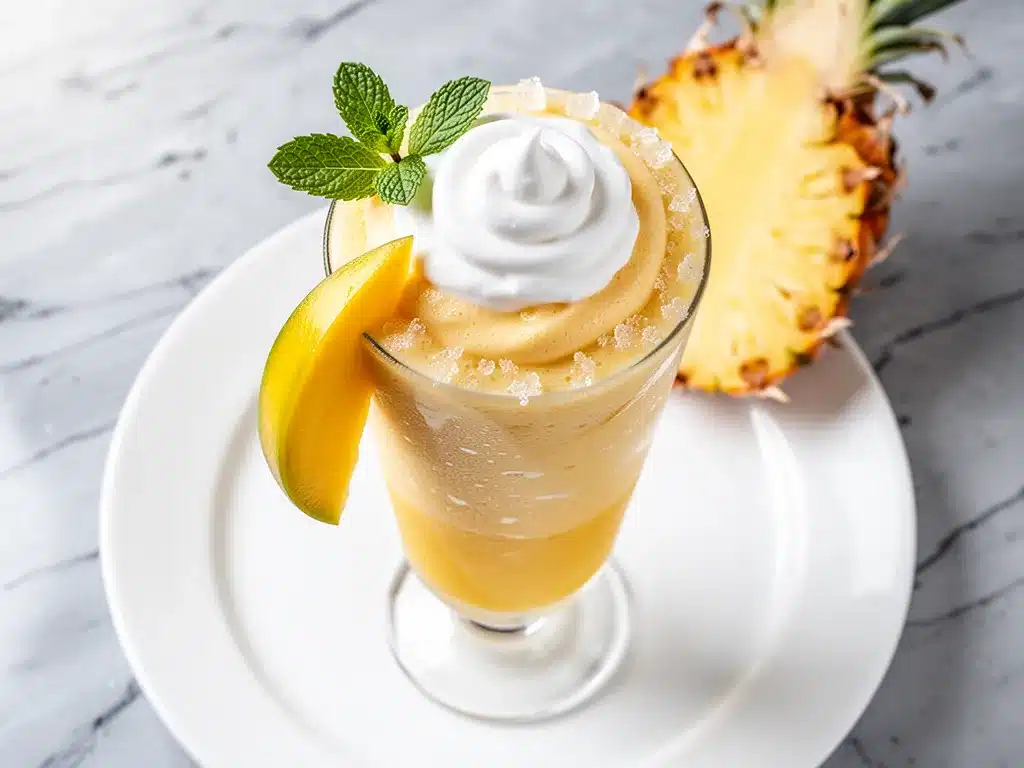
As a Dessert — Serve it in a martini glass with a sugared rim. Add a mint leaf and a slice of lime. It’s a light, refreshing dessert after a heavy meal. I serve this at dinner parties when I want something sweet but not too heavy.
Side Dishes — Pair it with toast, muffins, or bakery-style blueberry muffins. The cold smoothie contrasts nicely with warm pastries. It’s a classic brunch combination.
Storage Instructions — This smoothie is best fresh. It doesn’t store well because it separates and loses its texture. If you must store it, put it in an airtight container in the fridge for up to 24 hours. Stir it well before drinking. It’ll be thinner, but still edible. I don’t recommend freezing it, as the texture will change.
Reheating — Don’t reheat this. It’s a cold drink. If you accidentally left it out, toss it. It’s not worth drinking warm.
Nutrition Information
I’m not a nutritionist, but here’s the breakdown if you’re tracking. This is per serving, based on 2 servings.
- Calories: 280
- Protein: 12g
- Carbs: 45g
- Fiber: 6g
- Sugar: 35g (mostly natural from fruit)
- Fat: 6g
- Saturated Fat: 3g
- Cholesterol: 15mg
- Sodium: 40mg
What’s Good: High in vitamin C, good source of protein from yogurt, fiber from fruit. It’s a balanced breakfast or snack.
What to Know: Higher in natural sugars from the fruit. If you’re watching sugar, reduce the fruit portion or add more protein/fat. Contains dairy (unless substituted).
My Take: Look, this is fruit and yogurt. It’s not a diet food, but it’s not junk food either. It’s wholesome, filling, and delicious. When I want to make it lighter, I use less honey and more spinach. But usually? I just enjoy it as is.
Final Thoughts
So that’s my go-to Ultra-Creamy Frozen Mango Pineapple Smoothie! I’ve probably talked your ear off at this point, but when you make a recipe this often, you have a lot to say about it. This smoothie has saved my mornings more times than I can count. It’s my answer to “what’s for breakfast?” when I’m tired, don’t want to cook, and still want something that tastes really good. My kids are happy, my husband’s happy, and I’m happy because I’m not stressed about cooking.
Make it yours! Try different add-ins, swap in your favorite fruits, adjust the sweetness to your taste. The best recipes are the ones you adapt to your family’s tastes. If you make this, drop a comment and let me know what you think! I love hearing how recipes turn out in your kitchen. And if something doesn’t work, tell me that too—I’m here to help troubleshoot.
Happy blending! And I hope your kitchen smells half as good as mine does right now (it smells like tropical fruit).
Frequently Asked Questions
Can I use fresh mango and pineapple instead of frozen?
You can, but the smoothie will be much thinner and less creamy. You’ll need to add a lot of ice to get the right texture, and the ice will dilute the flavor. If you must use fresh fruit, freeze the chunks first. It’s worth the extra step for the best result.
My smoothie is too thick—what happened?
You used too much frozen fruit or not enough liquid. Add milk, one tablespoon at a time, and blend again. If it’s still too thick, let it sit for 5 minutes to soften slightly, then blend again. Don’t add ice; it will make it icy and watery.
Can I make this ahead for a meal prep?
Sort of. You can pre-portion the frozen fruit into bags and keep them in the freezer. When you’re ready, just dump the bag in the blender with the yogurt and milk. It takes 2 minutes. I don’t recommend blending it ahead of time because it separates.
Why did my smoothie turn out watery?
Usually means you added too much liquid or your frozen fruit wasn’t frozen enough. Make sure your fruit is rock hard. Start with less milk and add more only if needed. Also, if you used thawed fruit, that adds extra water.
Can I use plant-based yogurt?
Yes! Coconut yogurt, almond yogurt, or soy yogurt all work. Coconut yogurt is the creamiest and closest to dairy yogurt in texture. It also adds a nice coconut flavor that pairs well with mango and pineapple.
How do I store leftover frozen fruit?
Keep it in an airtight container or freezer bag in the coldest part of the freezer. It will last for 6-12 months. Make sure to squeeze out as much air as possible to prevent freezer burn.
Can I add protein powder?
Absolutely! Add one scoop of vanilla or unflavored protein powder. It’ll thicken the smoothie, so you might need a little more liquid. I’ve used whey and plant-based powders, and both work great. Just taste and adjust sweetness if needed.
Pin This Recipe!
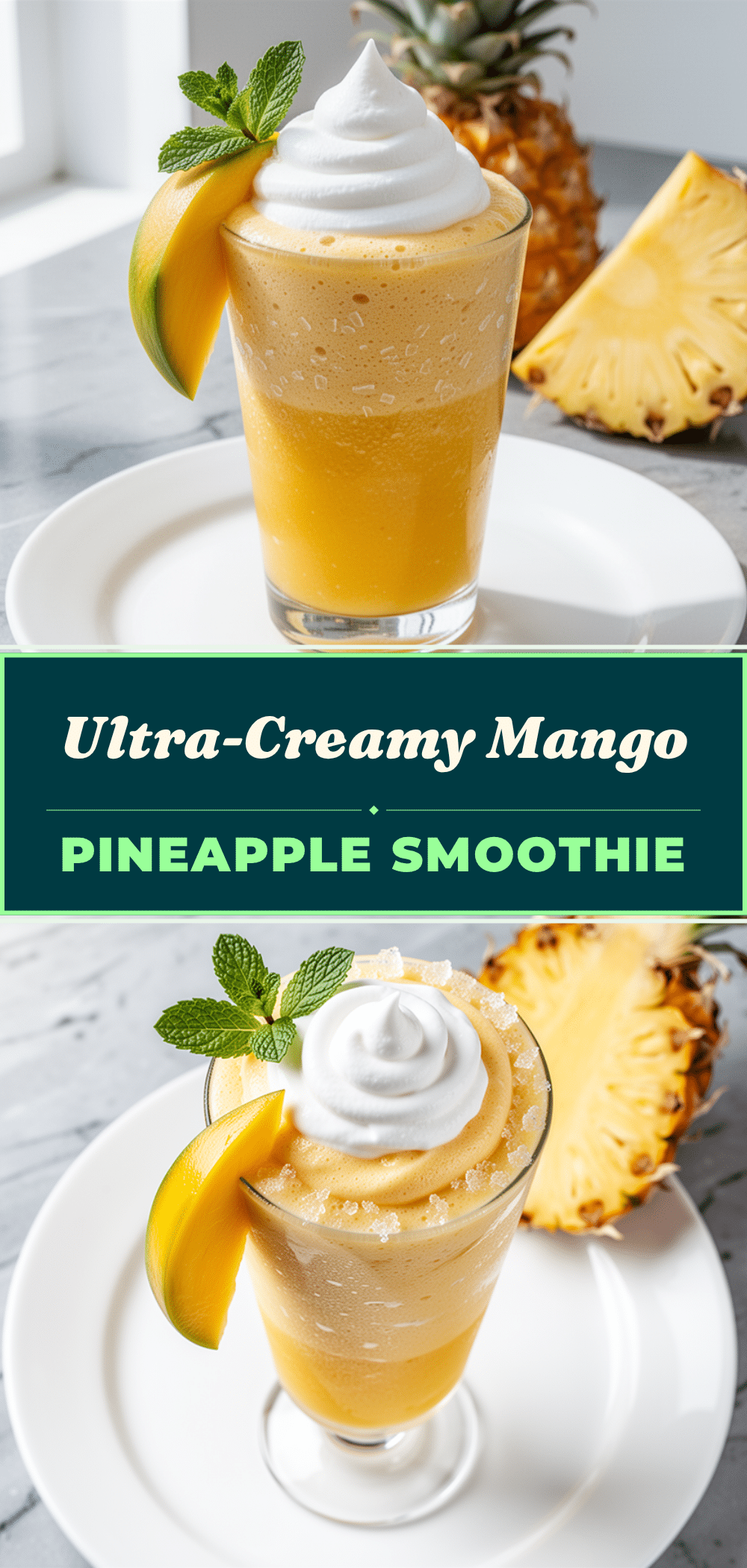
Ultra-Creamy Frozen Mango Pineapple Smoothie
- Total Time: 5 minutes
- Yield: 2 servings 1x
Description
A thick, creamy, and tropical smoothie made with frozen mango and pineapple, Greek yogurt, and a splash of milk. It’s a quick, no-cook breakfast or snack that tastes like a vacation.
Ingredients
- 2 cups frozen mango chunks
- 1 cup frozen pineapple tidbits or chunks
- 1/2 cup plain full-fat Greek yogurt
- 1/2 cup milk of choice (almond, cow’s, oat, or coconut)
- 1–2 tablespoons honey or maple syrup (optional)
- 1 teaspoon fresh lemon juice
- 4–6 ice cubes (optional, if fruit isn’t frozen enough)
Instructions
- Pour the milk into the blender first to help the blades spin freely.
- Add the Greek yogurt, frozen mango, and frozen pineapple.
- Add honey, lemon juice, and any optional add-ins like spinach or protein powder.
- Blend on low speed to break up the frozen fruit, then gradually increase to high speed.
- Blend for 30-60 seconds until smooth and creamy.
- Check consistency; add more milk if too thick or more fruit if too thin.
- Pour into glasses and serve immediately.
Notes
For the best texture, ensure the fruit is rock hard and frozen. If using fresh fruit, freeze chunks for at least 4 hours. Add liquids to the blender first to prevent sticking. This smoothie is best served immediately as it separates and melts quickly.
- Prep Time: 5 minutes
- Cook Time: 0 minutes
- Category: Breakfast
- Cuisine: Tropical
Nutrition
- Serving Size: 1 glass (approx. 14
- Calories: 280
- Sugar: 35
- Sodium: 40
- Fat: 6
- Saturated Fat: 3
- Carbohydrates: 45
- Fiber: 6
- Protein: 12
Keywords: smoothie, mango, pineapple, frozen fruit, healthy breakfast, creamy smoothie, tropical drink, quick recipe, gluten-free, dairy-free option


