It was August 2018, and my kitchen looked like a tomato battlefield. I had bought twelve pounds of vine-ripened heirlooms from the farmers market because they were glowing in the sunlight, practically begging to be eaten. I wanted to make a sauce that tasted like summer preserved in a jar. I tried the stovetop method first—boiling them down in a massive pot. It smelled amazing, sure, but the flavor was flat. Sharp, acidic, and just… one-dimensional. It tasted like cooked tomatoes, not summer.
Then I remembered my aunt’s secret. She didn’t boil hers. She roasted them.
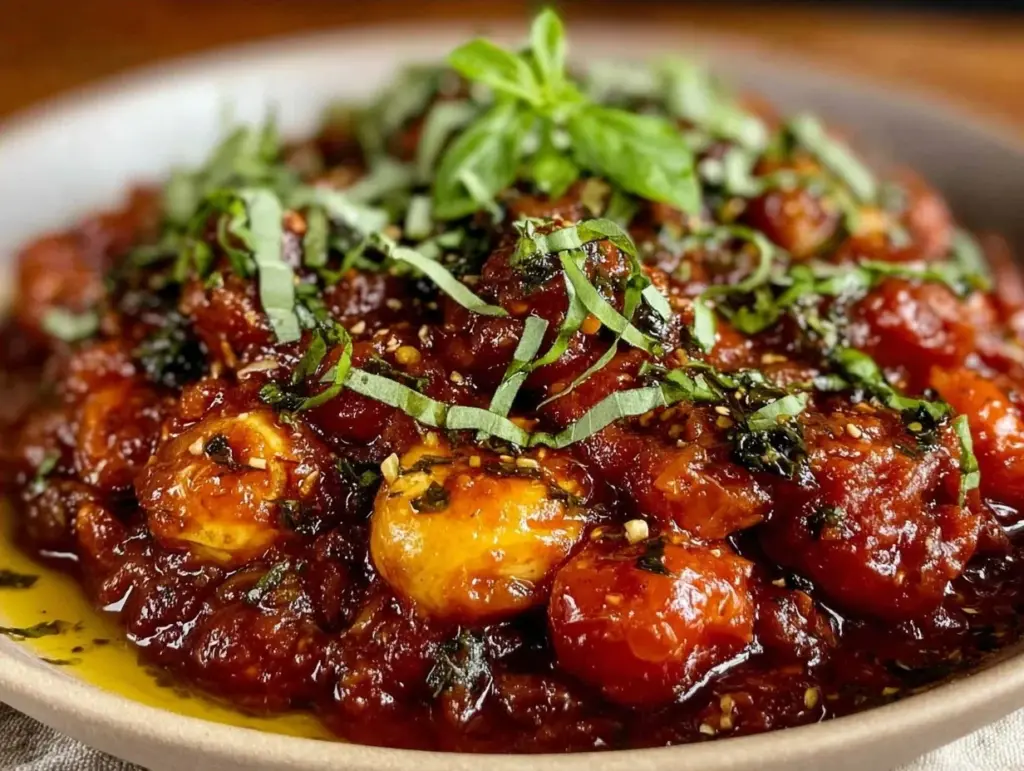
I dumped those twelve pounds of tomatoes onto three sheet pans, drizzled them with olive oil, threw in a whole head of garlic, and let the oven do the work. Three hours later, I pulled out a sauce that was dark, concentrated, and deeply sweet. It had this caramelized edge that you just can’t get from boiling. When I tasted it, I literally stopped mid-chew. That slow-roasted tomato sauce became the foundation of my winter meals. It’s the reason I can make a simple grilled cheese or a quick weeknight pasta feel like a feast from a fancy Italian restaurant.
This is the slow roasted tomato sauce with garlic and basil that I make every single harvest season. It’s not just a recipe; it’s a time capsule. It captures the peak of summer so you can enjoy it when the weather turns cold and the farmers market is mostly empty. I’ve tested this method dozens of times, tweaking the roasting temperature and garlic ratios until it was perfect. And let me tell you, once you try this, you’ll never go back to the quick boil method again.
Why You’ll Love This Slow Roasted Tomato Sauce
There are plenty of tomato sauce recipes out there, but this one is different because it changes the entire flavor profile of the tomato. Here’s why this sauce has earned a permanent spot in my canning calendar:
- Deep, Complex Flavor — Roasting caramelizes the natural sugars in the tomatoes. It adds a richness and depth that boiling just can’t achieve. It tastes like the tomatoes were sung to by angels.
- Less Water, More Punch — The slow roasting evaporates excess water naturally. You get a thicker, more concentrated sauce without needing to simmer it for hours on the stove (which can burn easily).
- Set-It-and-Forget-It Ease — Yes, it takes time in the oven, but it’s mostly hands-off. You chop, you spread, you wait. I can have this roasting while I’m working on my beginner-friendly homemade sourdough bread recipe or just relaxing. It doesn’t demand constant stirring.
- Perfect for Canning — Because it’s so concentrated and has low moisture content, it preserves beautifully. The jars stay vibrant red and taste almost identical to when you first made them in August.
- Crowd-Pleasing Versatility — I’ve served this sauce on everything from pizza to garlic herb focaccia to simple spaghetti. Everyone loves it. Even the picky eaters in my life ask for seconds.
This sauce is my answer to “what’s for dinner?” when I’m tired but want something homemade. It’s also my way of saying thank you to summer before it ends.
Ingredients You’ll Need
Here’s the beautiful part: this recipe relies on just a handful of high-quality ingredients. Because there’s so little else going on, each one needs to shine. I shop the farmers market for the tomatoes and basil, but the rest is pantry staples.
For the Tomatoes
Vine-ripened tomatoes (12 pounds / about 5.5 kg) — This is the star. Use Roma, plum, or San Marzano tomatoes if you can find them. They have less water and more flesh, which is perfect for sauce. If you can’t find plum tomatoes, a mix of heirlooms and Roma works too, just expect to roast them a bit longer to get the water out.
Garlic (1 whole head, cloves peeled) — I use a whole head. Roasted garlic becomes sweet and spreadable, like butter. It balances the acidity of the tomatoes perfectly. Don’t skimp. If you’re a garlic lover, add two heads. Trust me.
Extra virgin olive oil (½ cup / 120ml) — Use a good one here. You’ll taste it. I keep a bottle of Italian extra virgin olive oil specifically for finishing dishes like this. It adds a fruity, peppery note that elevates the whole sauce.
For the Herbs and Seasoning
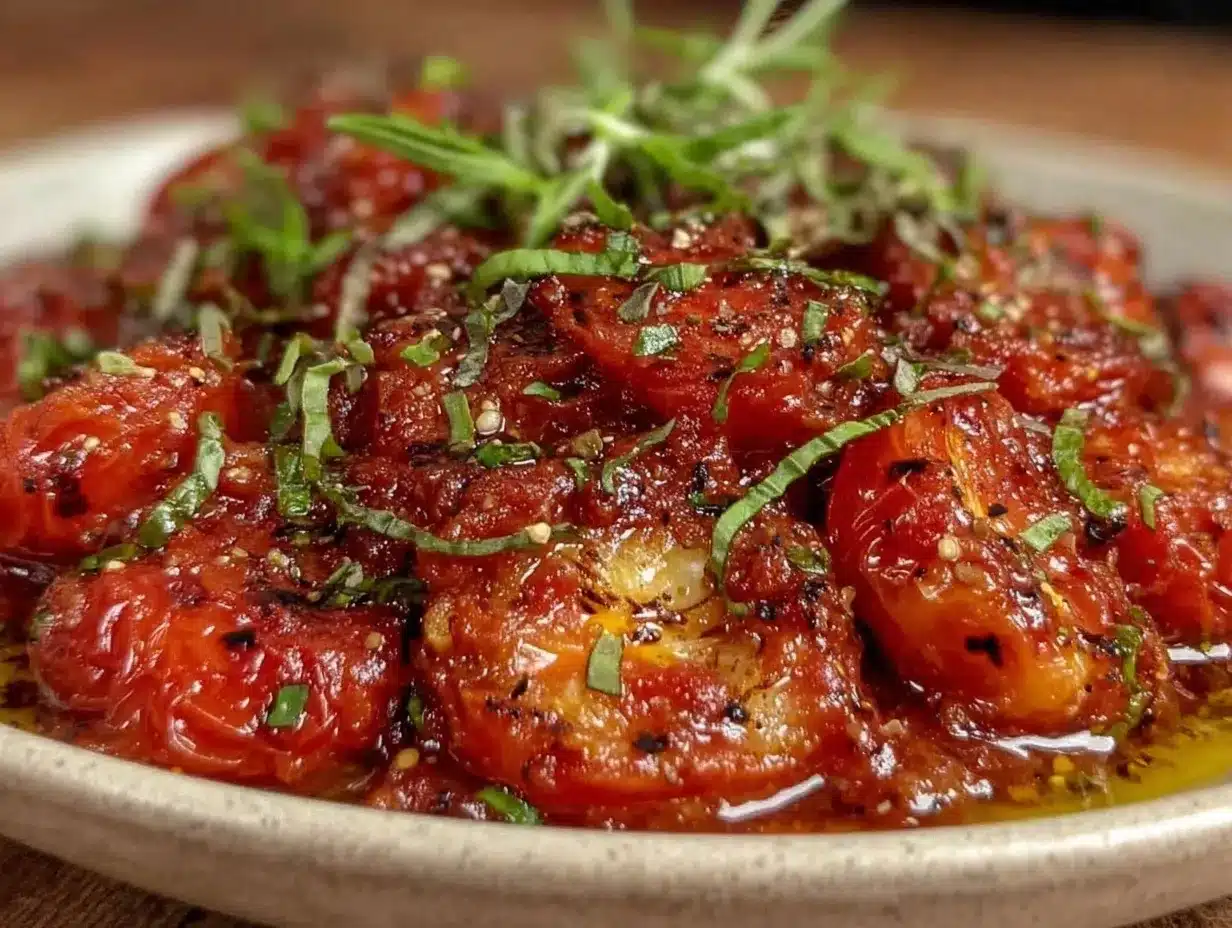
Fresh basil leaves (2 large bunches / about 2 cups packed) — This is non-negotiable. I use Genovese basil if I can find it. The flavor is sweet and peppery. Add half now for cooking, and save the rest to stir in at the end for that bright, fresh aroma.
Fresh thyme (4-5 sprigs) — Thyme adds an earthy, subtle background note. It pairs beautifully with the roasted garlic. If you don’t have fresh thyme, dried thyme works, but fresh is better.
Kosher salt (2 tablespoons / 30g) — You need enough salt to season the tomatoes deeply. I use Kosher salt because it’s easier to control. Table salt is finer and can easily make the sauce too salty.
Black pepper (1 teaspoon / freshly ground) — Adds a little heat and complexity. Freshly cracked is best.
Sugar (1 teaspoon, optional) — Only use this if your tomatoes are very acidic. Taste a raw tomato first. If it’s sharp, a little sugar helps balance it. If they’re sweet, skip it.
For Canning (If Using)
Bottling vinegar (5% acidity) (2 tablespoons per quart jar) — This is critical for safe water bath canning. It ensures the pH is low enough to prevent botulism. Do not skip this or substitute with other vinegars unless you know what you’re doing.
Canning jars (6-8 quart jars or 12-16 pint jars) — Make sure they’re clean and hot. Lids and bands should be new.
Equipment Needed
You don’t need fancy gadgets for this. Here’s what I actually use:
Large sheet pans — I use three half-sheet pans (18×13 inches). You need surface area for the tomatoes to spread out. If they’re crowded, they steam instead of roast. I’ve learned this the hard way.
Food mill or immersion blender — I prefer a food mill because it removes the skins and seeds, leaving a silky smooth sauce. An immersion blender works too, but you’ll need to strain it through a sieve to get rid of the skins. A regular blender works but can make the sauce too watery or hot.
Large stockpot — For simmering the sauce after it’s pureed. A 12-quart pot is ideal if you’re making a full batch.
Canning pot — A large pot with a rack for water bath canning. Or you can use a large Dutch oven.
Jar lifter and funnel — These are cheap at any hardware store and make the canning process so much safer and easier.
How to Make It: Step-by-Step
Alright, let’s make this! I’m walking you through exactly how I do it, including the little tricks I’ve picked up over the years.
Step 1: Prep the Tomatoes (20-30 minutes)
Wash your tomatoes thoroughly. Remove the cores. You can peel them or leave the skins on. If you’re using a food mill, leaving the skins on is easier—you’ll strain them out later. If you’re using an immersion blender, I recommend peeling them for a smoother texture. To peel, score an X on the bottom, boil for 30 seconds, then plunge into ice water. The skins should slip right off.
Chop the tomatoes into quarters. Don’t worry about uniformity; they’ll be roasted down anyway. Place them in a large bowl.
Step 2: Roast the Garlic (15 minutes)
Preheat your oven to 400°F (200°C). Cut the top off the head of garlic to expose the cloves. Drizzle with a little olive oil, wrap in foil, and roast for 15 minutes until soft. Squeeze the roasted garlic cloves out of their skins. They should be sweet and jammy.
Step 3: Roast the Tomatoes (2-3 hours)
Spread the chopped tomatoes evenly on your sheet pans. Drizzle generously with olive oil. Add the peeled garlic cloves, the thyme sprigs, salt, and pepper. Toss everything to coat.
Roast for 2 to 3 hours, stirring every 45 minutes. The tomatoes are done when they are dark red, shriveled, and jammy. The edges should be slightly caramelized. This is where the magic happens. The water evaporates, and the flavors concentrate. Don’t rush this step.
Step 4: Puree the Sauce (10 minutes)
Let the tomatoes cool slightly. If you’re using a food mill, feed the roasted tomatoes through it into a large bowl. This removes skins and seeds. If you’re using an immersion blender, blend in batches until smooth, then strain through a fine-mesh sieve to remove any leftover skins.
Transfer the pureed tomatoes to a large stockpot.
Step 5: Simmer and Reduce (30-45 minutes)
Bring the sauce to a gentle simmer over medium-low heat. Add the squeezed roasted garlic and half of the chopped fresh basil. Stir well.
Simmer for 30-45 minutes, stirring occasionally to prevent sticking. The sauce should thicken to your desired consistency. For canning, I like it slightly thicker because it will reduce further in the jars. Taste and adjust salt and pepper. Add the remaining fresh basil at the very end, just before removing from heat.
Step 6: Canning the Sauce (1-2 hours)
If you’re canning, keep the sauce hot. Ladle it into hot canning jars, leaving ½ inch of headspace. Wipe the rims clean. Add 2 tablespoons of bottling vinegar per quart jar (or 1 tablespoon per pint jar) to ensure proper acidity. Add ½ teaspoon of salt per pint (optional, for taste). Place lids on and screw bands on fingertip-tight.
Process in a boiling water bath for 40 minutes for pints and 45 minutes for quarts. Remove and let cool. You’ll hear the satisfying *ping* of the lids sealing.
Expert Tips & Tricks
Here’s everything I’ve learned from making this dozens of times. These tips will save you from my mistakes.
Don’t Crowd the Pans
If the tomatoes are piled on top of each other, they’ll steam. Spread them out! Use multiple pans if you have to. I use three half-sheet pans for 12 pounds of tomatoes. If you don’t have enough pans, do two batches. It’s better to do more batches than one soggy batch.
Roast Until Jammy
I know it’s tempting to pull them out when they’re just soft. Resist. The best flavor comes from the caramelization. Look for dark, almost black edges. That’s where the sweetness lives.
Fresh Basil Timing
Add half the basil during the simmer for depth, and the rest at the very end for brightness. If you cook all the basil, you lose that fresh, aromatic punch.
Acidity Check
Tomatoes vary in acidity. Always add vinegar when canning, even if you think they’re sweet. It’s a safety issue, not just a taste issue. Botulism is no joke.
Freezing Alternative
If you don’t want to can, this sauce freezes beautifully. Let it cool completely, then freeze in quart bags or containers. It thaws perfectly for pasta or soups later.
Variations & Substitutions
Once you’ve nailed the basic version, here’s how you can mix it up. I’ve tried all of these.
Spicy Version
Add 1-2 dried red chili peppers or ½ teaspoon of crushed red pepper flakes during the roasting stage. It adds a nice kick that pairs well with pasta.
Herb-Forward Version
Add a bay leaf during the simmering stage. Remove it before canning or serving. It adds a subtle, savory note.
Carrot Sweetener
If your tomatoes are very acidic, add one diced carrot to the roasting pans. It caramelizes and adds natural sweetness without needing sugar.
Onion Addition
I usually skip onions because they add water, but if you love them, add one diced onion to the roasting pans. It will caramelize nicely. Just note that it may extend the roasting time.
Serving & Storage
How to Serve:
I serve this sauce over simple spaghetti with a little pasta water mixed in. It’s also amazing on garlic herb focaccia for a quick bruschetta. Use it as a pizza base, or stir it into cheesy ground beef goulash for a rich, tomatoey twist.
Storage Instructions:
Refrigerator: Fresh sauce keeps for up to 5 days in an airtight container. Freezer: Freeze for up to 6 months. Canned: Store in a cool, dark place for up to 1 year. Always check seals before using.
Reheating: Gently warm in a saucepan over low heat. Add a splash of water if it’s too thick. Never boil vigorously, or you’ll lose the fresh basil flavor.
Nutrition Information
I’m not a nutritionist, but here’s the breakdown if you’re tracking. This is per ½ cup serving (uncanned, before adding pasta or salt).
| Nutrient | Amount |
|---|---|
| Calories | 45 |
| Protein | 2g |
| Carbs | 10g |
| Fiber | 3g |
| Sugar | 6g |
| Fat | 1g |
| Sodium | 15mg (unsalted) |
This sauce is naturally low-calorie and rich in lycopene, an antioxidant found in cooked tomatoes. It’s a healthy base for meals, especially when paired with vegetables or whole grains.
Final Thoughts
So that’s my slow roasted tomato sauce! It’s a labor of love, but one that pays off in spades. Every time I open a jar of this sauce in the middle of winter, I’m transported back to that sunny August afternoon in my kitchen. It’s comfort food in its purest form.
Make it while the tomatoes are at their peak. Celebrate the season. And enjoy the fruits of your labor all year long. Happy cooking!
Frequently Asked Questions
Can I use fresh tomatoes in winter?
You can, but they won’t taste the same. Winter tomatoes are often mealy and bland. This recipe is best made in late summer/early fall when tomatoes are at their peak. If you must use winter tomatoes, add a bit more sugar and olive oil to compensate.
Do I have to can this sauce?
No! You can eat it fresh, refrigerate it for up to 5 days, or freeze it. Canning is just one way to preserve it for long-term storage.
Why did my sauce separate in the jar?
Separation is normal, especially with home-canned sauces. It usually means the solids settled to the bottom. Just stir it up before using. If it’s watery on top, you can pour off the excess liquid or stir it back in.
Can I add meat to this sauce?
Not if you’re water bath canning. Meat sauces require pressure canning for safety. If you want a meat sauce, cook the meat separately and add it to the sauce after canning, or freeze the sauce and add meat when you reheat it.
How long does it take to roast the tomatoes?
It depends on the oven and the tomatoes. Usually 2-3 hours. Stir every 45 minutes. They’re done when they’re dark, jammy, and reduced.
Can I use a slow cooker instead?
You can, but the flavor won’t be as concentrated. Slow cooking doesn’t evaporate water as efficiently as roasting. If you must use a slow cooker, leave the lid off and cook on high for 6-8 hours. But I recommend roasting for the best flavor.
Pin This Recipe!
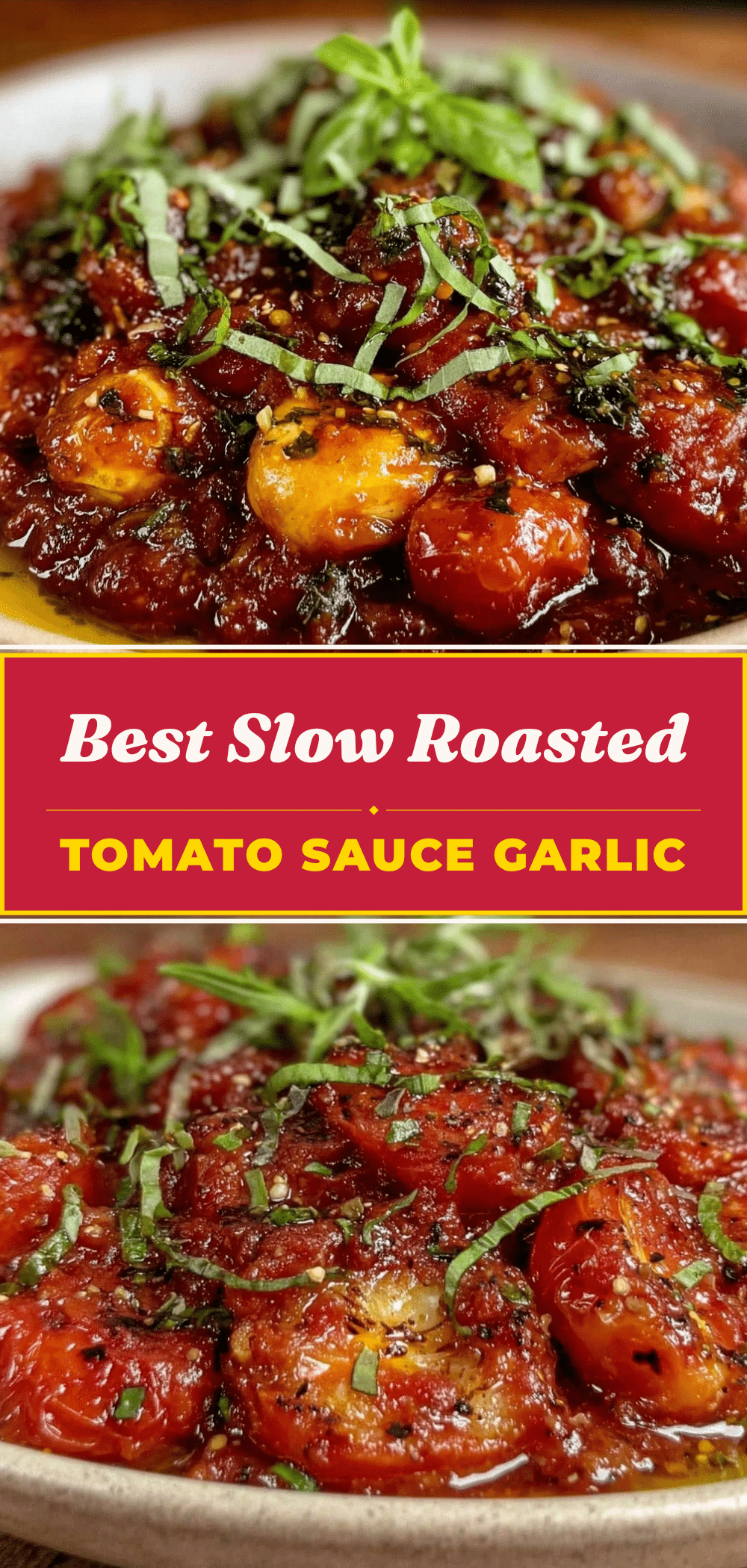
Slow Roasted Tomato Sauce: Best Fresh Basil Recipe
- Total Time: 3 hours 45 minutes
- Yield: 6-8 quart jars 1x
Description
A deeply flavorful, concentrated tomato sauce made by slow-roasting vine-ripened tomatoes and garlic until caramelized. This hands-off method preserves the taste of summer and is perfect for pasta, pizza, or canning.
Ingredients
- 12 pounds vine-ripened tomatoes (Roma, plum, or San Marzano preferred)
- 1 whole head of garlic, cloves peeled
- ½ cup extra virgin olive oil
- 2 large bunches fresh basil leaves (about 2 cups packed)
- 4–5 sprigs fresh thyme
- 2 tablespoons kosher salt
- 1 teaspoon freshly ground black pepper
- 1 teaspoon sugar (optional, if tomatoes are acidic)
- 2 tablespoons bottling vinegar (5% acidity) per quart jar (for canning)
- 6–8 quart jars or 12-16 pint jars (for canning)
Instructions
- Preheat oven to 400°F (200°C).
- Wash tomatoes, remove cores, and chop into quarters. If using an immersion blender, peel tomatoes by scoring an X, boiling for 30 seconds, and plunging into ice water.
- Cut the top off the garlic head to expose cloves, drizzle with olive oil, wrap in foil, and roast for 15 minutes until soft. Squeeze cloves out of skins.
- Spread chopped tomatoes evenly on large sheet pans. Drizzle with olive oil and add peeled garlic cloves, thyme sprigs, salt, and pepper. Toss to coat.
- Roast tomatoes for 2-3 hours, stirring every 45 minutes, until dark red, shriveled, and jammy with caramelized edges.
- Let tomatoes cool slightly. Puree using a food mill (to remove skins/seeds) or an immersion blender followed by straining through a sieve.
- Transfer puree to a large stockpot. Bring to a gentle simmer over medium-low heat.
- Add squeezed roasted garlic and half of the chopped fresh basil. Simmer for 30-45 minutes until thickened.
- Taste and adjust seasoning. Stir in remaining fresh basil just before removing from heat.
- For canning: Ladle hot sauce into hot jars, leaving ½ inch headspace. Add 2 tablespoons vinegar per quart jar. Wipe rims, apply lids and bands.
- Process in a boiling water bath for 40 minutes (pints) or 45 minutes (quarts). Remove and let cool.
Notes
Do not crowd the pans; tomatoes must be spread out to roast rather than steam. Roast until jammy for best flavor. Add vinegar when canning for safety. This sauce freezes well if not canned.
- Prep Time: 30 minutes
- Cook Time: 3 hours 15 minutes
- Category: Condiments
- Cuisine: Italian
Nutrition
- Serving Size: ½ cup
- Calories: 45
- Sugar: 6
- Sodium: 15
- Fat: 1
- Carbohydrates: 10
- Fiber: 3
- Protein: 2
Keywords: slow roasted tomato sauce, fresh basil recipe, homemade tomato sauce, canning tomatoes, Italian sauce, roasted garlic sauce, summer preserves