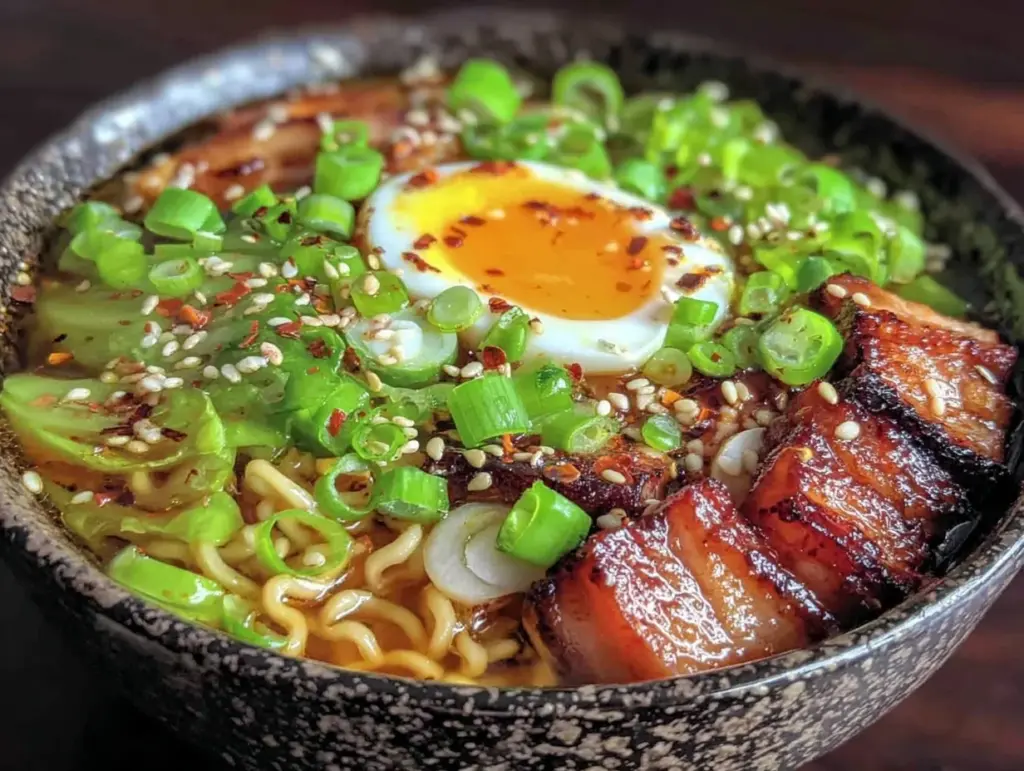
I still remember the winter I was fourteen, huddled at the kitchen table with a stack of unpaid bills and a heart that felt like it was frozen solid. My grandmother didn’t say much. She just went to the stove, lit the burner, and started the ritual. The smell of toasted sesame oil and ginger filled the house, chasing away the chill and the worry. When she finally set that bowl in front of me—steaming, red-tinged, and heavy with toppings—I didn’t just eat. I healed. That bowl of spicy ramen wasn’t just dinner. It was her way of saying, “I’m here, and you’ll be okay.”
Years later, I’ve tried every instant packet and takeout container in the city. But nothing compares to the depth of flavor in my grandmother’s recipe. It’s not about speed. It’s about patience. It’s about building a broth that tastes like it’s been simmering for hours, even when you’re making it on a Tuesday night. This spicy ramen noodle bowl recipe is my homage to her. It’s rich, it’s deeply savory, and it has just enough heat to wake up your soul. If you’re tired of salty, one-note takeout, this is the real deal. It’s the kind of meal that makes you close your eyes and sigh.
Why You’ll Love This Homemade Spicy Ramen
There is a specific kind of magic in making ramen from scratch. It transforms a simple weeknight into something special. Here is why this recipe has earned a permanent spot in my kitchen rotation:
Broth That Actually Tastes Like Broth — Instant packets give you salt and MSG. This recipe gives you depth. By toasting the spices and simmering the base, you get a complex, layered flavor that feels luxurious. It’s the difference between a whisper and a song.
Customizable Heat — My grandmother always adjusted the spice to match the mood. Some nights we wanted gentle warmth; other nights, we wanted to sweat. You control the chili oil and the gochujang. It’s your bowl, your burn.
The Toppings Are the Joy — Ramen is a canvas. Soft-boiled eggs, crispy pork, fresh scallions, nori. The act of arranging these toppings is meditative. It slows you down. It reminds you that food is meant to be savored, not consumed in three minutes standing over the sink.
Comfort in a Bowl — There are days when life feels too heavy. On those days, I make this. The warmth of the broth, the chew of the noodles, the richness of the egg—it wraps around you like a blanket. It’s not just food. It’s comfort.
Better Than Takeout, Cheaper Too — I’ve done the math. A bowl of high-quality spicy ramen from a restaurant will run you $15 to $20. Making this at home costs less than $8, and the quality is infinitely better. You know exactly what’s in it. No mystery meats, no preservatives.
It Feeds the Soul — This isn’t just about filling your stomach. It’s about creating a moment of peace. In a world that moves too fast, taking 30 minutes to make something beautiful is an act of self-care. It’s quiet. It’s intentional. It’s mine.
Ingredients You’ll Need for Authentic Flavor
Before we start, let’s talk about what goes into this bowl. I’m particular about a few things, but most of this is pantry staples. I won’t ask you to buy exotic ingredients you’ll only use once. Here’s what you need to make it the way my grandmother taught me.
For the Broth Base
Sesame Oil (3 tablespoons) — Toasted sesame oil is non-negotiable. It’s the soul of the broth. Don’t use the cheap stuff from the discount aisle. Get a bottle from an Asian market. The aroma alone will make you hungry.
Garlic (4 cloves, minced) — Fresh garlic. Always. Jarred garlic has no place in a recipe this delicate. It needs to be pungent and fresh.
Fresh Ginger (1 tablespoon, grated) — Peel it yourself. Grate it yourself. The oils in fresh ginger are what give the broth its warmth. Pre-grated ginger tastes flat and metallic.
Chicken Broth (4 cups) — I use low-sodium so I can control the salt. If you want a richer flavor, use homemade stock. But good quality store-bought works fine.
Water (2 cups) — To dilute the broth slightly so it’s not too heavy.
For the Spice & Umami
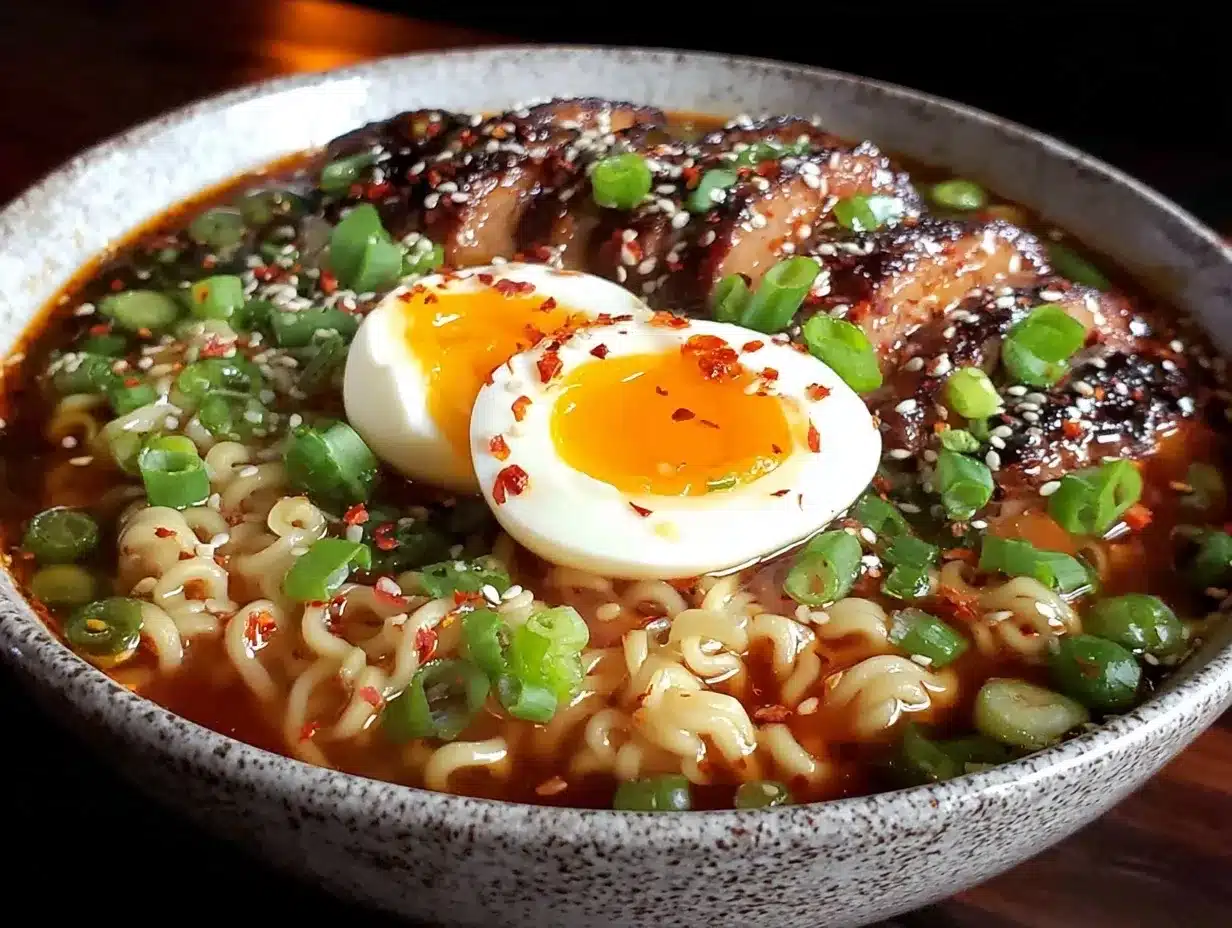
Chili Oil (2-3 tablespoons) — This is where the heat comes from. I like to use a brand with visible chili flakes. It adds texture and color. Adjust based on your spice tolerance.
Gochujang (1 tablespoon) — Korean fermented chili paste. It adds a deep, funky sweetness that regular chili powder can’t match. It’s the secret ingredient that makes it taste like restaurant ramen.
Soy Sauce (2 tablespoons) — Use a good quality soy sauce. Kikkoman is fine, but if you can find a tamari or a artisanal brew, even better.
Miso Paste (1 tablespoon) — White miso is milder and sweeter. Red miso is stronger and saltier. I use white for a smoother flavor. It adds that essential umami punch.
Sugar (1 teaspoon) — Just a pinch to balance the salt and heat. It’s not a sweet dish, but the sugar rounds out the edges.
For the Noodles & Toppings
Ramen Noodles (2 packages) — Fresh ramen noodles are best. They have that perfect chew. If you can’t find fresh, dried ramen noodles work, but avoid the instant seasoning packets. We’re making our own sauce.
Soft-Boiled Eggs (2 per bowl) — The crown jewel of ramen. Jammy yolks that run into the broth. This takes practice, but I’ll guide you through it.
Green Onions (2 stalks, thinly sliced) — For color and a fresh, sharp bite.
Nori Sheets (2 sheets, torn) — Seaweed adds a briny, oceanic flavor. It’s essential for authenticity.
Prosciutto or Crispy Pork Belly (2 slices or 1/2 cup) — My grandmother loved prosciutto. It gets crispy in the broth and adds a salty, savory crunch. If you prefer pork belly, render it until crisp.
Bean Sprouts (1/2 cup) — For a fresh, crunchy contrast to the soft noodles.
Equipment You’ll Need
You don’t need fancy gadgets. Just good, basic tools.
Large Pot or Dutch Oven — For simmering the broth. I use a 6-quart pot. It needs to be big enough to hold the liquid and allow for stirring.
Medium Skillet — For toasting the spices and heating the chili oil. I prefer cast iron, but stainless steel works too.
Medium Saucepan — For boiling the eggs. Precision matters here.
Pasta Pot — A large pot for boiling the noodles. You want plenty of water so they don’t stick.
Small Bowl — For whisking the miso and gochujang into the broth. This prevents clumps.
Sharp Knife & Cutting Board — For prepping the ginger, garlic, and green onions.
Timer — Crucial for the eggs. You don’t want to guess.
How to Make It: Step-by-Step
Alright, let’s make this. I’m walking you through exactly how I do it, including the little tricks I’ve picked up over the years. It’s simpler than it looks, but it requires attention.
Step 1: Prepare the Soft-Boiled Eggs (10 minutes)
Bring a small saucepan of water to a gentle boil. Carefully lower the eggs into the water using a spoon. Boil for exactly 6.5 minutes for a jammy yolk. If you like runnier yolks, go for 6 minutes. For firmer yolks, 7 minutes. Immediately transfer the eggs to an ice bath to stop the cooking. This is the hardest part—waiting. But it’s worth it.
Step 2: Toast the Aromatics (3 minutes)
In a large pot or Dutch oven, heat the sesame oil over medium heat. Add the minced garlic and grated ginger. Cook for 1-2 minutes, stirring constantly. You want them fragrant, not brown. If they burn, you’ll start over. I’ve done it. Don’t make my mistake.
Step 3: Build the Broth (10 minutes)
Pour in the chicken broth and water. Add the chili oil, gochujang, soy sauce, miso paste, and sugar. Whisk vigorously until the miso and gochujang are fully dissolved. Bring to a simmer. Let it cook for 8-10 minutes on low heat. This allows the flavors to meld. It’s not just mixing; it’s marrying. The broth should smell incredible. If it doesn’t, add more ginger or garlic.
Step 4: Cook the Noodles (5 minutes)
While the broth simmers, bring a large pot of salted water to a boil. Add the ramen noodles. Cook according to package directions, but check them early. Fresh noodles cook fast—often in 2-3 minutes. Drain them, but don’t rinse them. You want that starch to help the sauce cling.
Step 5: Peel and Prep Toppings (5 minutes)
Peel the soft-boiled eggs. Slice them in half lengthwise. Slice the prosciutto or crispy pork belly. Slice the green onions. Tear the nori sheets into bite-sized pieces. Have everything ready before you assemble. Ramen comes together quickly, and you want to be organized.
Step 6: Assemble the Bowls
Place the cooked noodles in your serving bowls. Ladle the hot broth over the noodles. Be careful not to splash. Arrange the toppings: half an egg, prosciutto, bean sprouts, green onions, and nori. Drizzle with a little extra chili oil if you like more heat.
Step 7: Serve Immediately
Serve right away. The noodles will continue to absorb the broth, so don’t let them sit. Eat while it’s steaming hot. This is the only way to enjoy it.
Expert Tips & Tricks
Here’s everything I’ve learned from making this dozens of times. These tips will save you from my mistakes.
The Egg Timing is Everything
6.5 minutes is the sweet spot. If you overcook it, the yolk turns green and chalky. If you undercook it, it’s just a mess. Use a timer. Trust the process. The ice bath is crucial—it stops the cooking instantly.
Don’t Rush the Simmer
I know you’re hungry. But let the broth simmer for at least 8 minutes. This is where the magic happens. The flavors need time to blend. If you rush it, it will taste like separate ingredients, not a cohesive broth.
Toast Your Spices
If you’re using dried spices, toast them in the oil first. It releases their essential oils and makes the flavor more potent. For fresh ginger and garlic, the sizzle is key.
Balance is Key
Taste your broth before serving. Is it too salty? Add a splash of water. Too bland? Add more soy sauce. Too spicy? Add a pinch of sugar or a splash of cream. It’s your creation. Adjust to your taste.
Use Fresh Noodles
If you can find fresh ramen noodles, buy them. They have a texture that dried noodles can’t match. They’re chewier and more satisfying. If you must use dried, choose a high-quality brand without the seasoning packet.
Variations & Substitutions
Once you’ve nailed the basic version, here’s how you can mix it up. I’ve tried all of these.
Veggie-Loaded
Add sliced mushrooms, bok choy, or spinach. Sauté them in the broth for the last 2 minutes. It adds freshness and nutrients.
Chicken Version
Add shredded rotisserie chicken. It’s quick and adds protein. My husband loves this version.
Pork Belly
Render slices of pork belly until crispy. Use the fat to cook the aromatics. It’s richer and more decadent.
Shrimp
Sauté shrimp in the last minute of cooking. They add a sweet, briny flavor.
Dairy-Free
This recipe is naturally dairy-free. Just ensure your miso and gochujang are certified vegan.
Serving & Storage
How to Serve:
I serve this straight from the pot. It’s rustic and warm. Pair it with a simple green salad or some steamed rice if you’re hungry for more.
Storage:
Store the broth in an airtight container in the fridge for up to 3 days. Reheat gently. The noodles should be cooked fresh. Do not store cooked noodles in the broth—they will get mushy.
Reheating:
Heat the broth on the stove. Add fresh noodles. Top with fresh toppings. It will taste almost as good as fresh.
Nutrition Information
I’m not a nutritionist, but here’s the breakdown if you’re tracking. Per serving (based on 4 servings):
Calories: 450
Protein: 20g
Carbs: 45g
Fat: 20g
Sodium: 1200mg
This is comfort food. It’s higher in sodium, but that’s part of the flavor. If you’re watching salt, use low-sodium broth and gochujang. But honestly? It’s worth it for the taste.
Final Thoughts
So that’s my spicy ramen noodle bowl recipe. It’s not just food. It’s a memory. It’s my grandmother’s love in a bowl. I hope you make it and find your own comfort in it. If you do, tell me how it turned out. I love hearing your stories. And if you need more comfort food ideas, check out my cozy fall turkey chili or my creamy pumpkin alfredo pasta. They’re all made with love.
Frequently Asked Questions
Can I use instant ramen noodles?
You can, but skip the seasoning packet. The flavor in this recipe is homemade. The noodles themselves are fine, but the broth is what matters.
Why is my broth too salty?
Probably because of the soy sauce or miso. Next time, use less soy sauce or a low-sodium version. You can always add more, but you can’t take it away.
Can I make this ahead?
You can make the broth ahead. Cook the noodles fresh. Assemble right before eating. This ensures the best texture.
What if I don’t have gochujang?
You can use chili paste or sriracha, but the flavor will be different. Gochujang adds a unique sweetness and funk. It’s worth seeking out.
How do I get the perfect soft-boiled egg?
6.5 minutes in boiling water, immediately into an ice bath. Peel under running water. It’s easier that way.
Pin This Recipe!
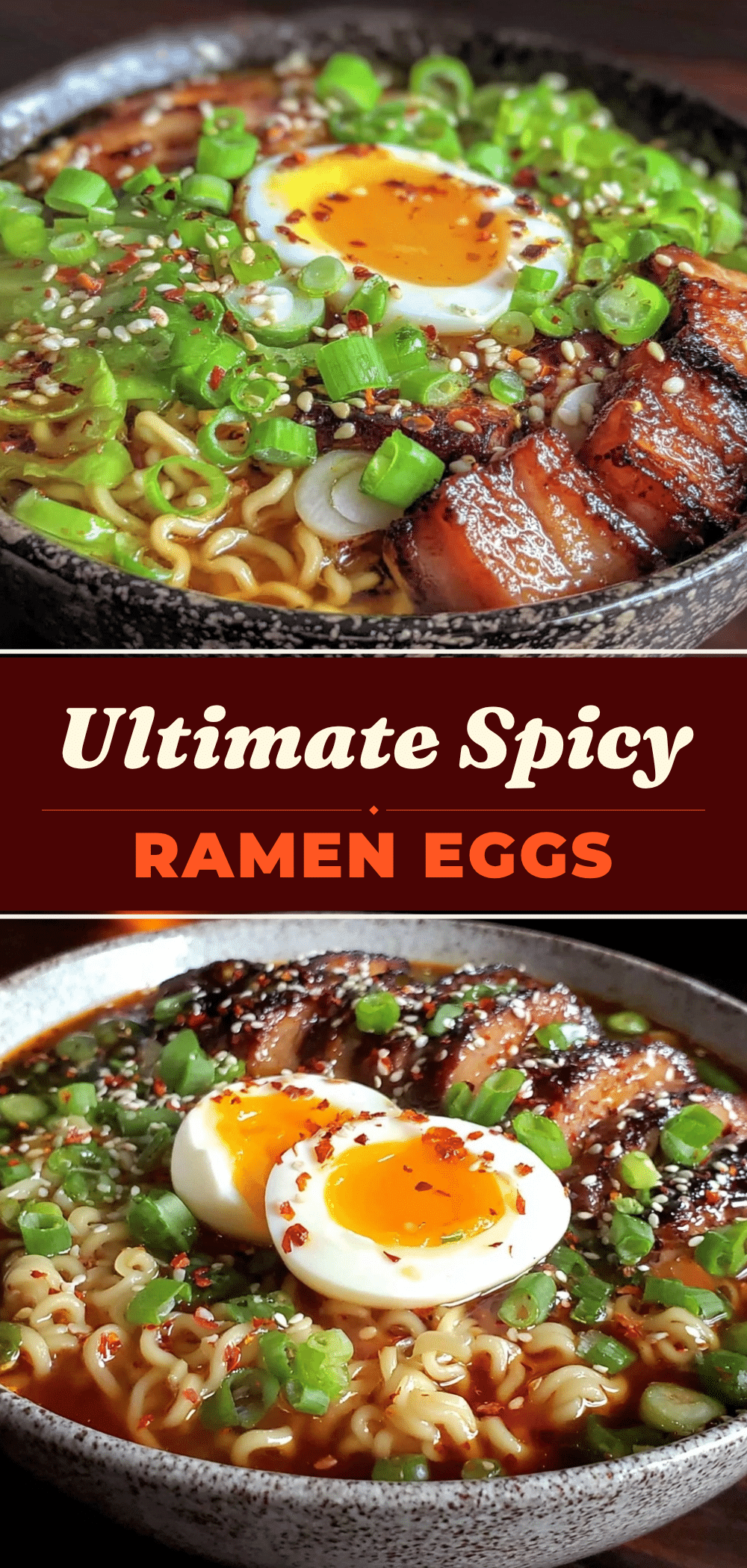
Spicy Ramen Noodle Bowls: Grandma’s Best Homemade Recipe
- Total Time: 45 minutes
- Yield: 4 servings 1x
Description
A rich, deeply savory homemade spicy ramen noodle bowl inspired by family tradition. This recipe features a complex broth with toasted aromatics, customizable heat, and classic toppings like soft-boiled eggs and crispy pork.
Ingredients
- 3 tablespoons toasted sesame oil
- 4 cloves garlic, minced
- 1 tablespoon fresh ginger, grated
- 4 cups low-sodium chicken broth
- 2 cups water
- 2–3 tablespoons chili oil (adjust to taste)
- 1 tablespoon gochujang (Korean fermented chili paste)
- 2 tablespoons soy sauce
- 1 tablespoon white miso paste
- 1 teaspoon sugar
- 2 packages fresh ramen noodles
- 4 soft-boiled eggs (2 per bowl)
- 2 stalks green onions, thinly sliced
- 2 sheets nori, torn
- 2 slices prosciutto or 1/2 cup crispy pork belly
- 1/2 cup bean sprouts
Instructions
- Bring a small saucepan of water to a gentle boil. Lower eggs in and boil for exactly 6.5 minutes for jammy yolks. Immediately transfer to an ice bath to stop cooking.
- In a large pot or Dutch oven, heat sesame oil over medium heat. Add minced garlic and grated ginger, cooking for 1-2 minutes until fragrant but not brown.
- Pour in chicken broth and water. Add chili oil, gochujang, soy sauce, miso paste, and sugar. Whisk vigorously until dissolved. Bring to a simmer and cook on low heat for 8-10 minutes to meld flavors.
- While broth simmers, bring a large pot of salted water to a boil. Add ramen noodles and cook according to package directions (usually 2-3 minutes for fresh). Drain but do not rinse.
- Peel soft-boiled eggs and slice in half lengthwise. Slice prosciutto or pork belly. Slice green onions and tear nori sheets.
- Place cooked noodles in serving bowls. Ladle hot broth over noodles. Arrange toppings: half an egg, prosciutto/pork, bean sprouts, green onions, and nori. Drizzle with extra chili oil if desired.
- Serve immediately while steaming hot.
Notes
Use fresh ramen noodles for best texture. Do not store cooked noodles in the broth as they will become mushy. The broth can be made ahead and stored in the fridge for up to 3 days. Adjust spice levels by varying the amount of chili oil and gochujang. Ensure miso and gochujang are certified vegan if following a strict vegan diet.
- Prep Time: 15 minutes
- Cook Time: 30 minutes
- Category: Main Course
- Cuisine: Asian
Nutrition
- Serving Size: 1 bowl
- Calories: 450
- Sodium: 1200
- Fat: 20
- Carbohydrates: 45
- Protein: 20
Keywords: spicy ramen, homemade ramen, grandma's recipe, comfort food, noodle bowl, gochujang, soft-boiled eggs, prosciutto ramen